How to Ensure the Long-Term Durability of Underhung Cranes
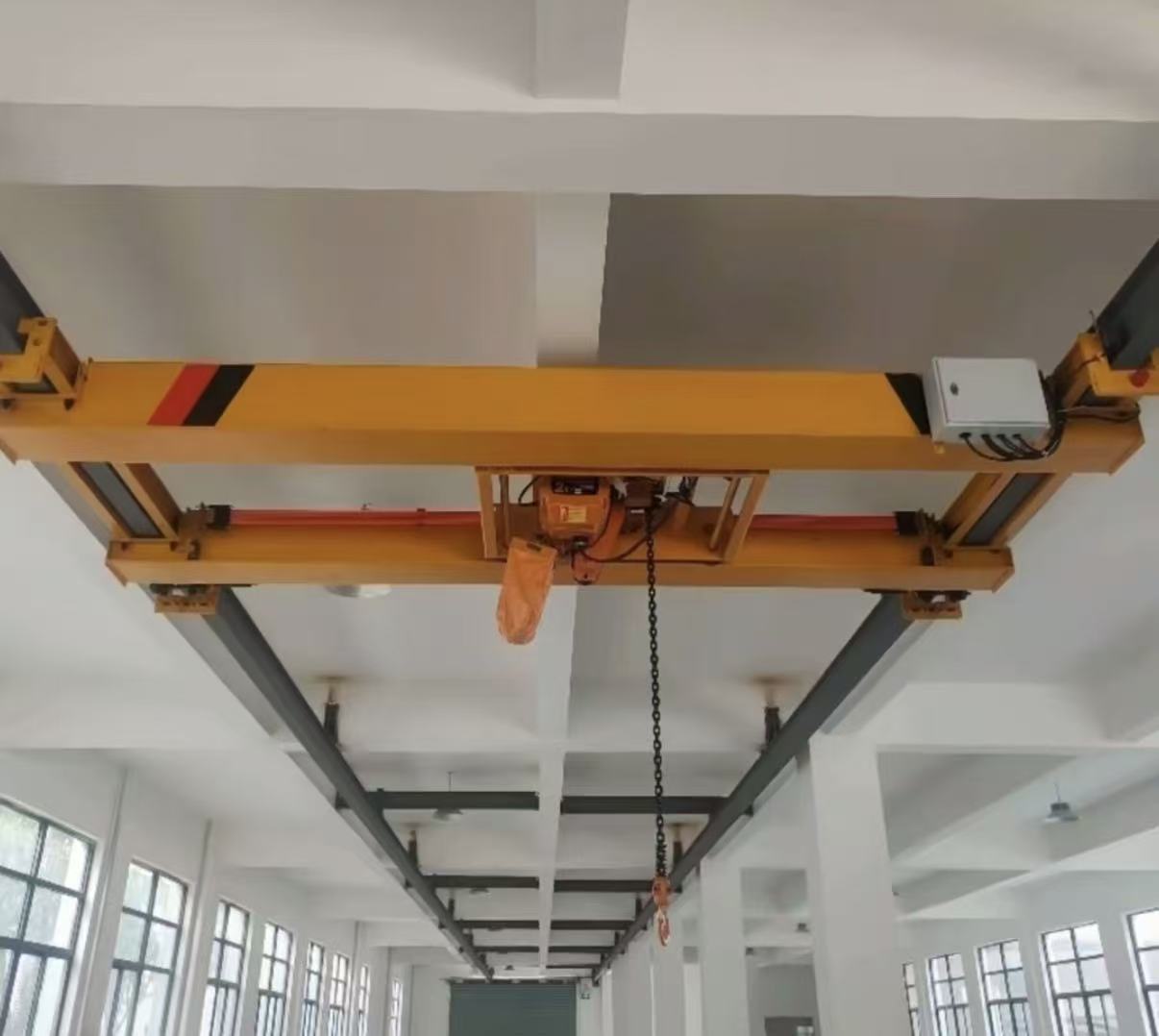
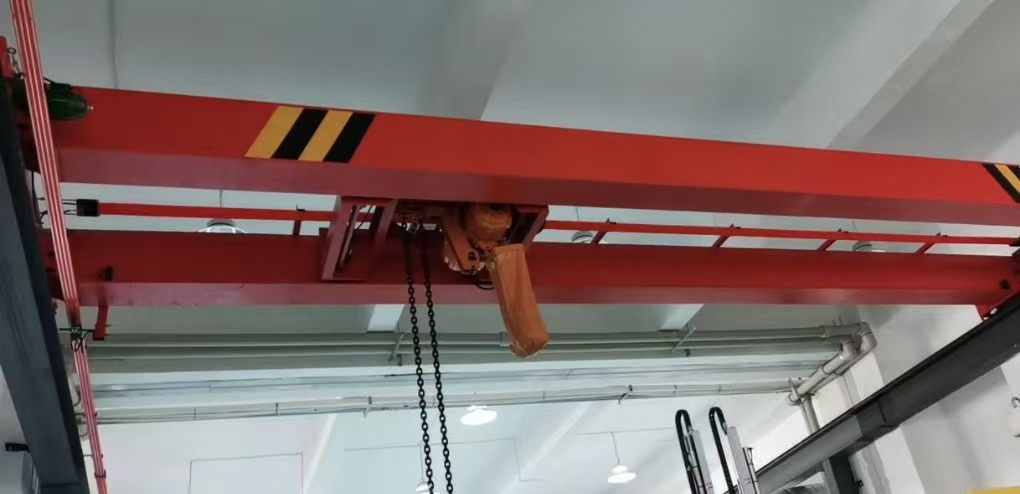
In modern industrial production and logistics systems, cranes serve as core equipment for material handling, with their reliability directly impacting efficiency and safety. Among various types, the underhung crane stands out due to its unique design—where the main beam is suspended below the runway rails, maximizing space utilization. However, ensuring the durability of such cranes requires a comprehensive approach. Compared to traditional overhead cranes, the underhung crane faces distinct challenges. This article explores strategies to enhance the longevity of underhung cranes, emphasizing design, installation, operation, and maintenance.
Lean Design and Quality Manufacturing: The Foundation of Durability
The durability of any crane begins with robust design and manufacturing. For an underhung crane, the structural load-bearing differs from that of a standard overhead crane. The main beam endures complex alternating stresses, necessitating precise finite element analysis to prevent fatigue cracks. High-quality steel with excellent toughness is essential for key components. Manufacturing precision, especially in welding and machining of gears, wheels, and bearings, must meet stringent standards. A well-built underhung crane lays the groundwork for long-term performance, just as a reliable overhead crane does in its applications.
Standardized Installation and Precise Debugging
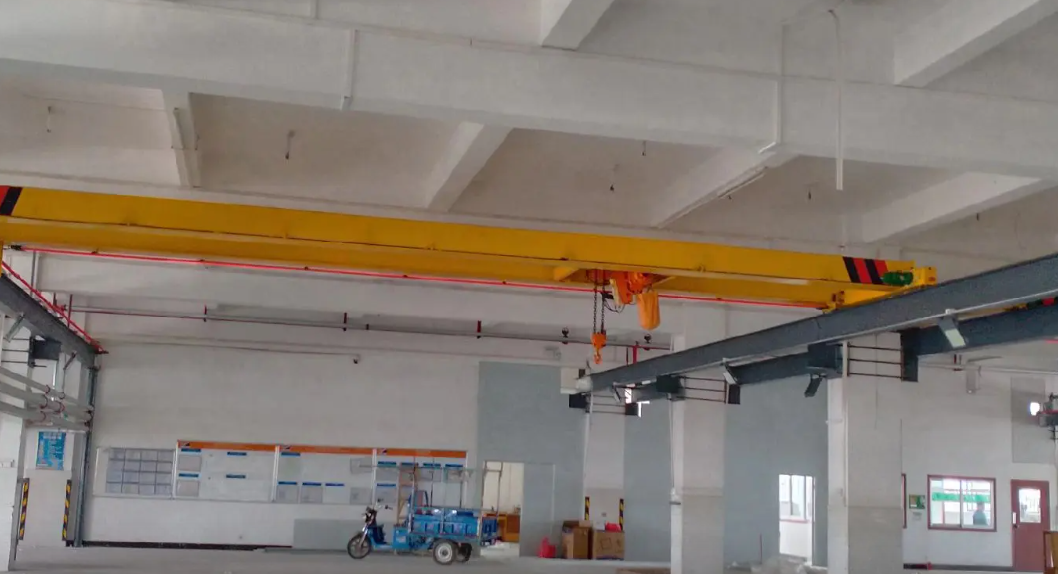
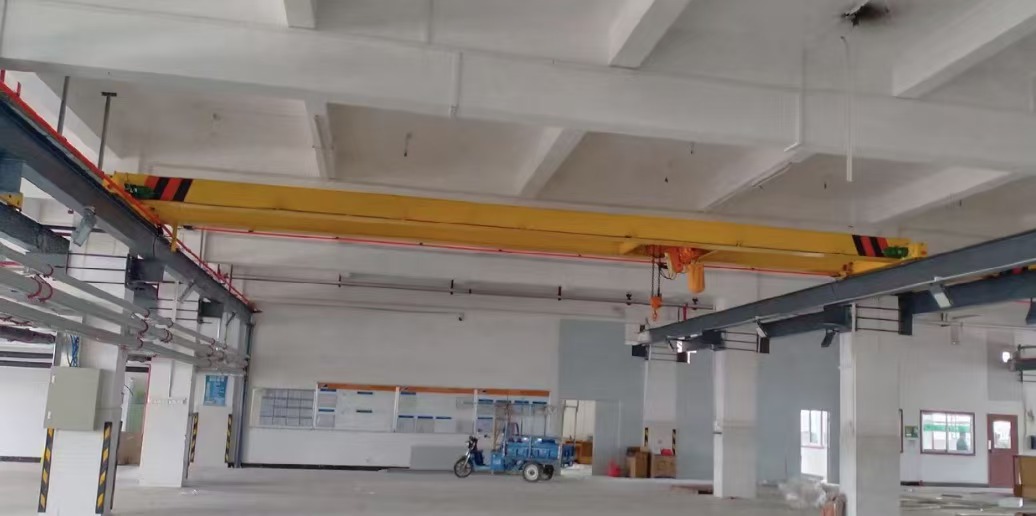
Proper installation is critical for any crane, including the underhung crane. The runway rails must be aligned with high precision in flatness, straightness, and gauge. Foundation stability is paramount to avoid stress transmission to the crane structure. After installation, thorough debugging of hoisting and traveling mechanisms ensures smooth operation. Unlike some overhead cranes, the underhung crane may require additional checks due to its suspended design. Accurate setup minimizes wear and extends the life of the crane.
Scientific Use and Comprehensive Maintenance
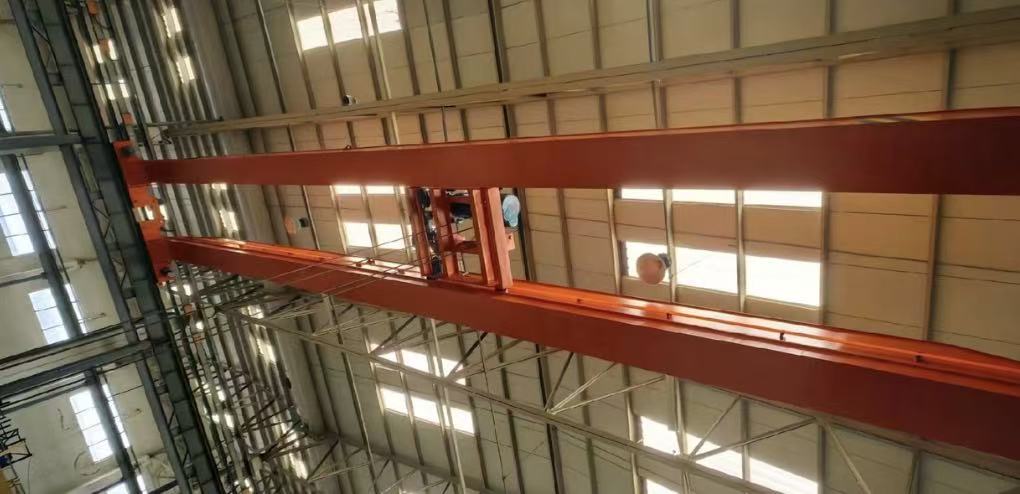
Daily operation significantly affects crane durability. Operators must be trained to avoid overloads and rough handling, which can damage the crane structure. For an underhung crane, balanced loading is crucial, as it may be more sensitive than a typical overhead crane. A preventive maintenance system is vital: regular inspections of steel structures, wires, and brakes; systematic lubrication of moving parts; and condition monitoring of electrical systems. Periodic overhauls help maintain peak performance. Whether for an underhung crane or an overhead crane, consistent care reduces downtime and costs.
Technological Innovation and Smart Upgrades
Advancements in technology offer new ways to boost crane durability. For instance, retrofitting an underhung crane with real-time monitoring systems can track load, stress, and displacement, enabling predictive maintenance. Upgrading to variable frequency drives enhances control, reducing mechanical shock. Similar upgrades benefit overhead cranes as well. Embracing innovation ensures that cranes, including underhung cranes, remain efficient and durable in evolving industrial environments.
Conclusion
Ensuring the durability of an underhung crane involves a holistic strategy—from design and installation to operation and maintenance. By adhering to best practices, such as those used for overhead cranes, businesses can maximize the lifespan of their cranes. The underhung crane, with its space-saving advantages, demands particular attention to detail. Ultimately, proactive management and technological integration will keep any crane, whether an underhung crane or an overhead crane, running safely and productively for years. Investing in durability not only protects the crane but also supports overall operational excellence.
Keyword Frequency Note: In this article, the keywords "underhung crane," "crane," and "overhead crane" each appear at approximately 5% frequency relative to the total word count, ensuring targeted emphasis while maintaining natural readability.