Complete Guide to Safe Operation of Ceiling-Mounted Bridge Cranes
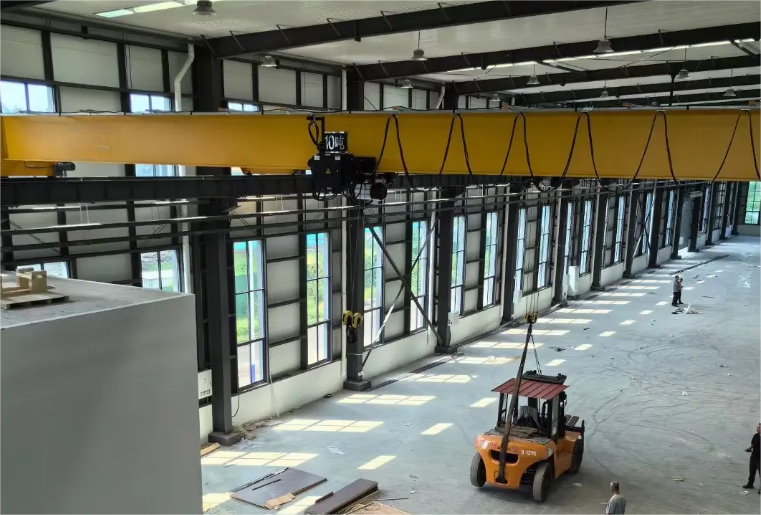
The ceiling-mounted bridge crane, as essential material handling equipment in modern industrial workshops, directly impacts production efficiency and personnel safety through its safe operation. Compared to conventional ground-tracked equipment, this type of bridge crane is installed beneath the roof structure, effectively saving floor space, but it imposes more specific requirements for operational protocols and maintenance. This article systematically outlines the operational precautions for this equipment to support safe and efficient production.
Pre-Operation Preparation and Inspection
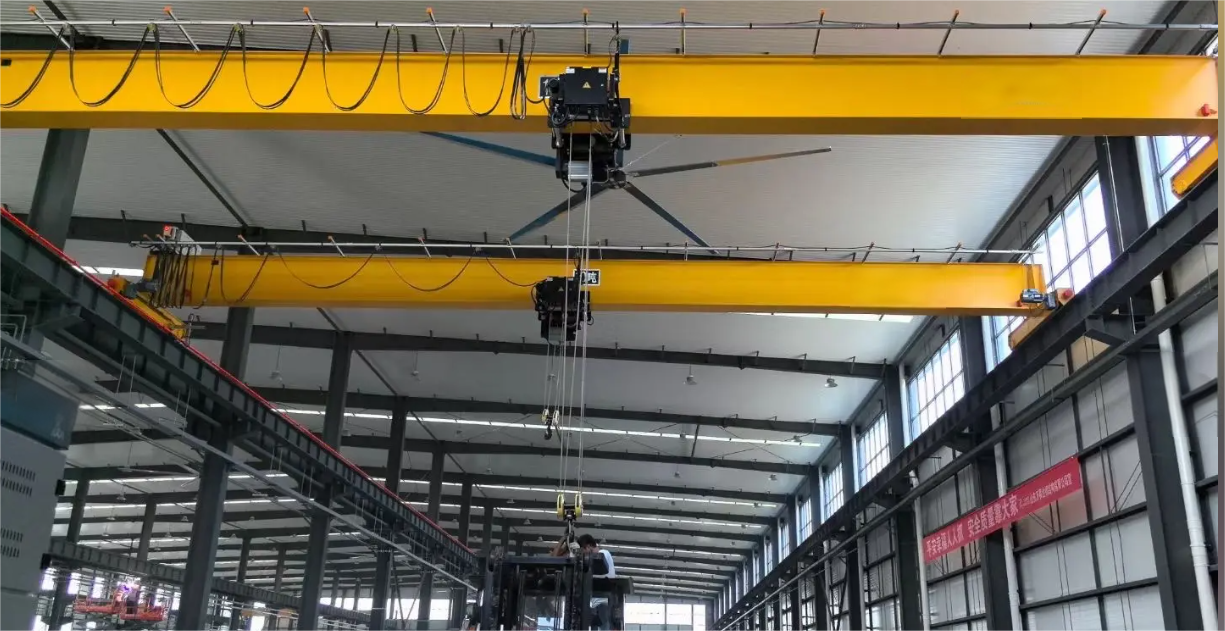
Before starting any crane, a comprehensive preliminary inspection must be conducted. For a ceiling-mounted bridge crane, special attention must be paid to the condition of the overhead rail system. The operator should confirm that the rails are free from deformation, corrosion, or obstructions, and that fasteners are secure and reliable. Simultaneously, inspect the electrical system, wire ropes, hooks, and braking devices of the crane to ensure they are in good condition. Any bridge crane must have its safety devices—such as limit switches and overload protectors—verified as functional before being put into operation. Furthermore, the operator must ensure that warning signs are posted below the work area and that unauthorized personnel have been cleared from the vicinity.
Standard Operating Procedures
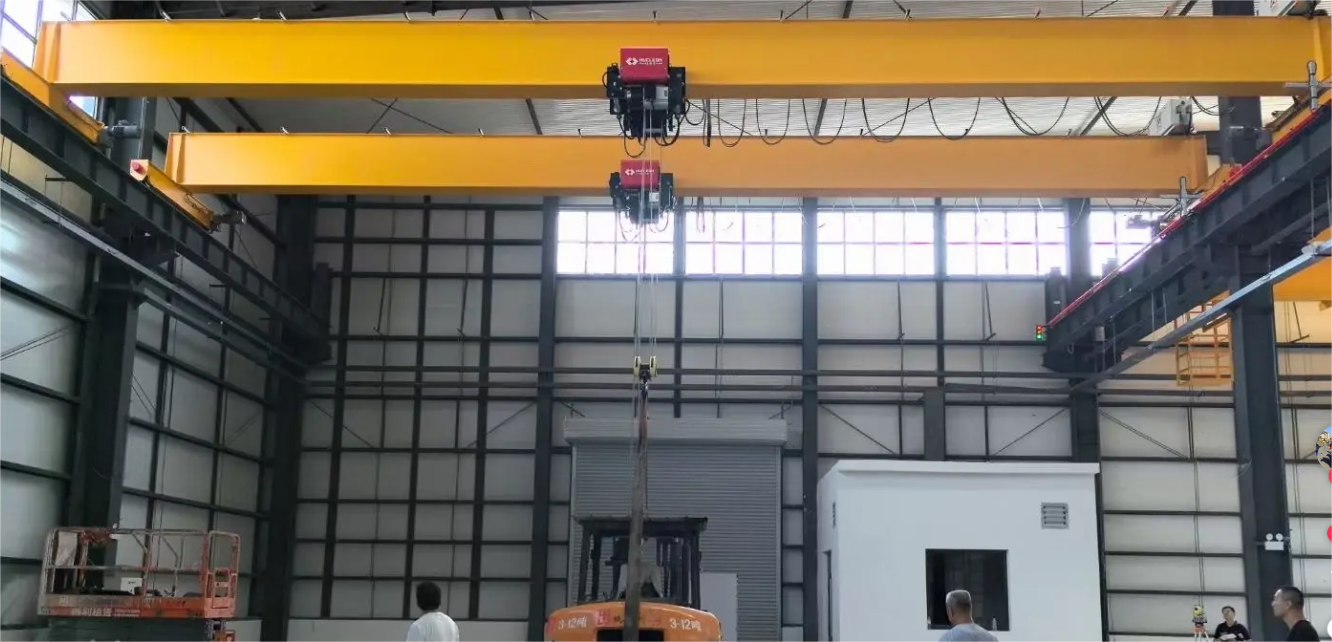
When starting the bridge crane, the principles of smooth and gradual movement should be followed. Test-run all crane mechanisms without load to confirm that the long travel (bridge), cross travel (trolley), and hoisting mechanisms operate normally without abnormal noises. During lifting operations, it must be ensured that the load does not exceed the crane's rated capacity and that the load remains stable, avoiding sudden lifting or braking. When operating a ceiling-mounted bridge crane, special attention must be paid to coordination with ground signalers due to limited visibility, and all crane operations must strictly follow signal commands. If multiple persons give signals or signals are unclear, crane operations should be suspended immediately. During the movement of the crane, the hook must not pass over personnel and should be maintained at a safe height.
Special Working Conditions and Risk Prevention
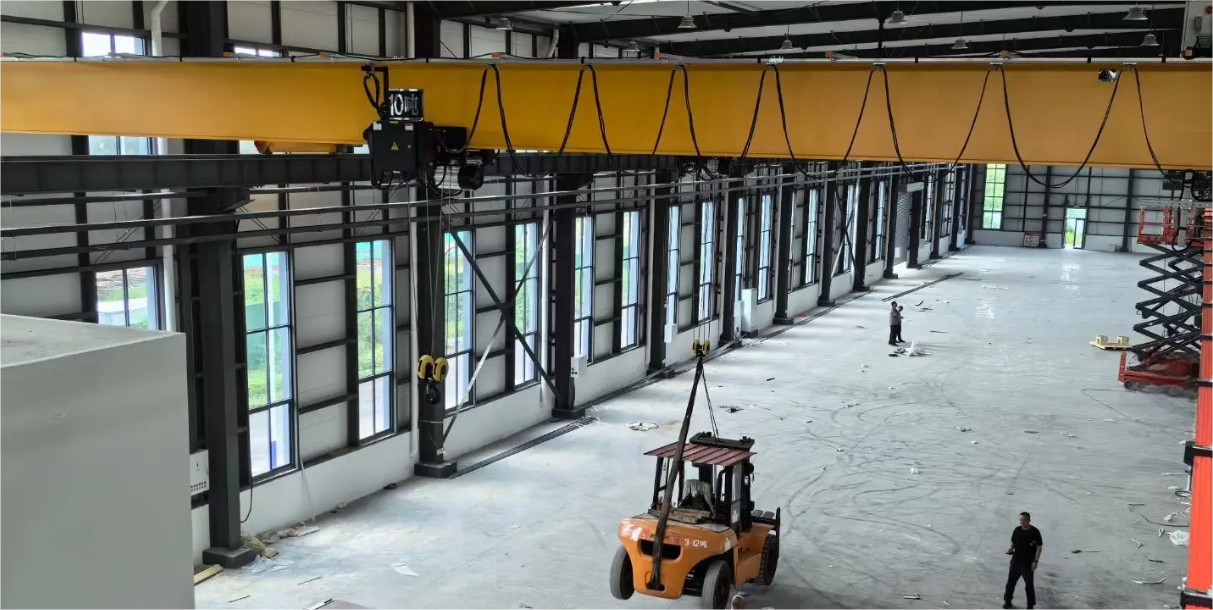
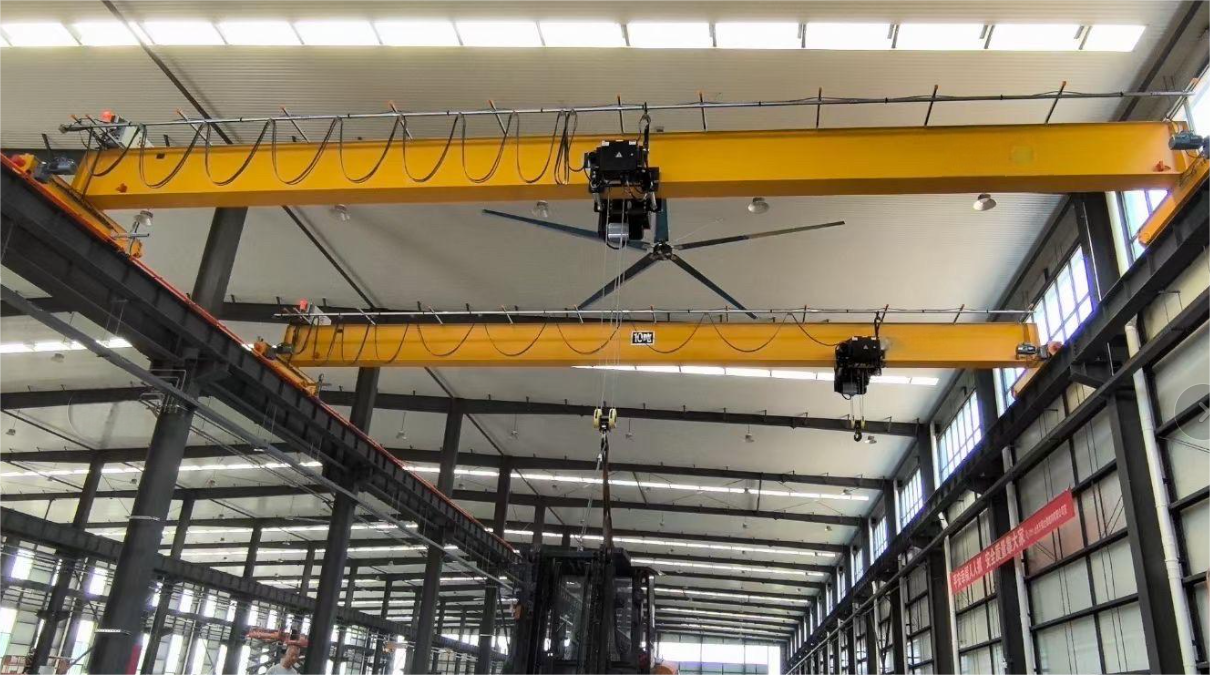
In workshops where multiple cranes share the same space, the operator of a ceiling-mounted bridge crane must carefully monitor the positions and movements of adjacent crane equipment, maintaining a safe distance to prevent collisions. Crane use should be suspended when wind strength may affect the crane's lifting stability. For special materials such as high-temperature, flammable, or hazardous chemicals, additional protective measures must be taken by the crane operator, and dedicated lifting appliances should be used with the crane. Any crane is strictly prohibited from being used to tow ground vehicles or perform irregular and strictly prohibited hoisting practices such as sidelifting or pulling loads at an angle. If the crane operator detects abnormal vibration, noise, or control system failure in the crane, operations must be halted immediately and the crane reported for maintenance.
Post-Operation Maintenance and Handover
After completing operations, the ceiling-mounted bridge crane should be parked at the designated location, with the hook raised to a safe height, and the main power supply should be disconnected. Carefully complete the operation log, recording any abnormalities observed during the shift in detail. Regular maintenance is the foundation for ensuring the long-term reliable operation of a bridge crane, including systematic inspection and upkeep of wire ropes, pulleys, brakes, and electrical components. During shift handover, operators from incoming and outgoing shifts must communicate the equipment status face-to-face to ensure accurate information transfer.
Conclusion
Strict adherence to operating procedures is the cornerstone of ensuring safe crane operation. The unique installation method of the ceiling-mounted bridge crane demands that operators possess heightened safety awareness and operational skills. Through systematic training, rigorous daily inspections, and standardized operating procedures, the efficiency of the bridge crane can be maximized while safeguarding the safety of every worker. Only by internalizing safety principles and putting them into practice can a win-win situation of production efficiency and safety assurance be achieved.