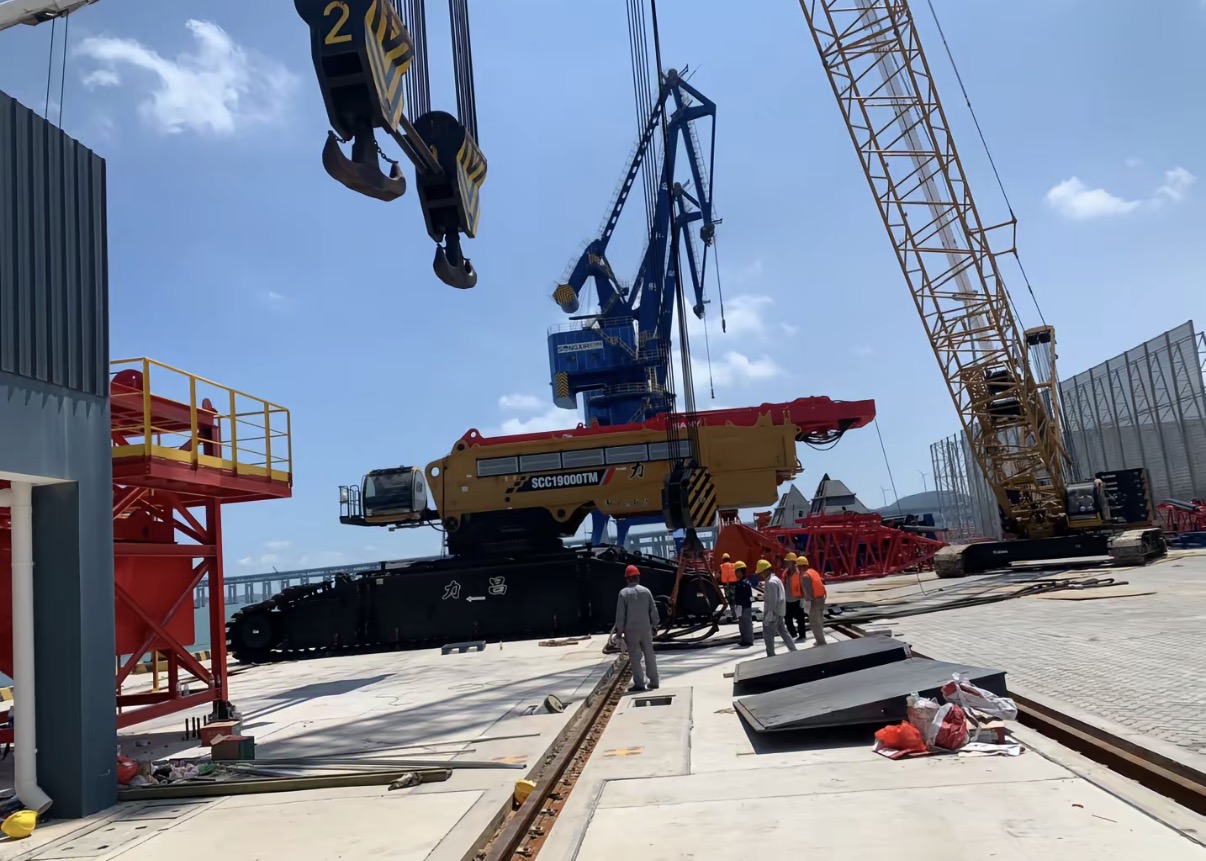
Towering Over the Wind: The Core Role of Crawler Cranes in Wind Power Installation and the Imperative of Safety
As the global demand for clean energy continues to surge, the wind power industry is experiencing unprecedented opportunities for development. Whether in vast onshore wind farms or the burgeoning deep-sea offshore projects, wind turbines are trending towards larger individual capacities, higher hub heights, and longer blades. Against this backdrop of major energy transformation, the crawler crane, as the core equipment for heavy-lift projects, has become increasingly prominent in the field of wind power installation. This article will delve into why crawler cranes are so well-suited for wind power projects, with a critical focus on the safety considerations that underpin the entire construction process.
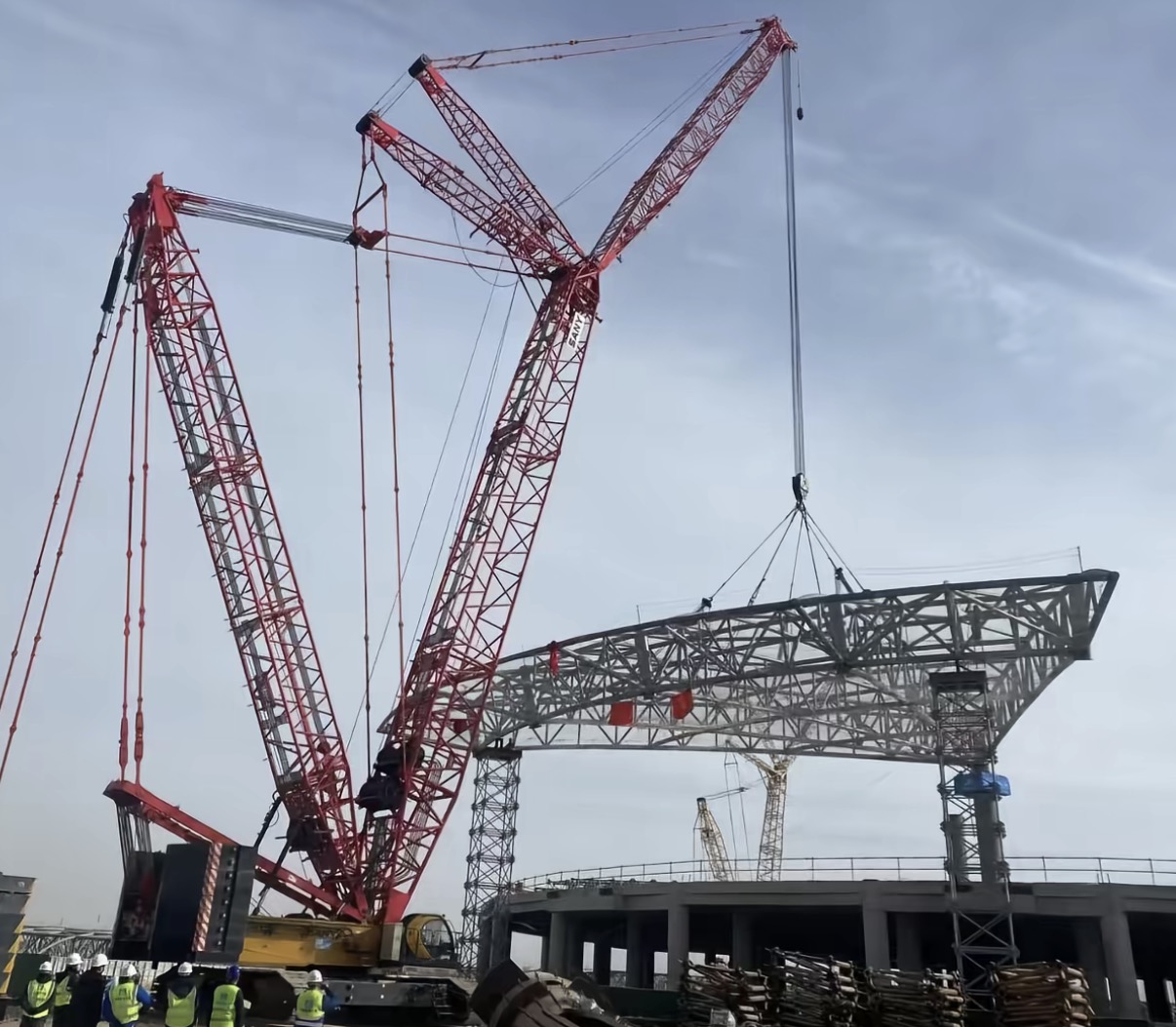
The Technical Synergy Between Crawler Cranes and Wind Power Installation
Wind power installation is characterized by several distinct challenges: heavy individual components (such as nacelles and generators), extreme lifting heights (for tower section mating and rotor assembly), and complex operating environments (including mountains, hills, and coastal tidal flats). Crawler cranes, with their unique technical attributes, are perfectly aligned to meet these demanding requirements.
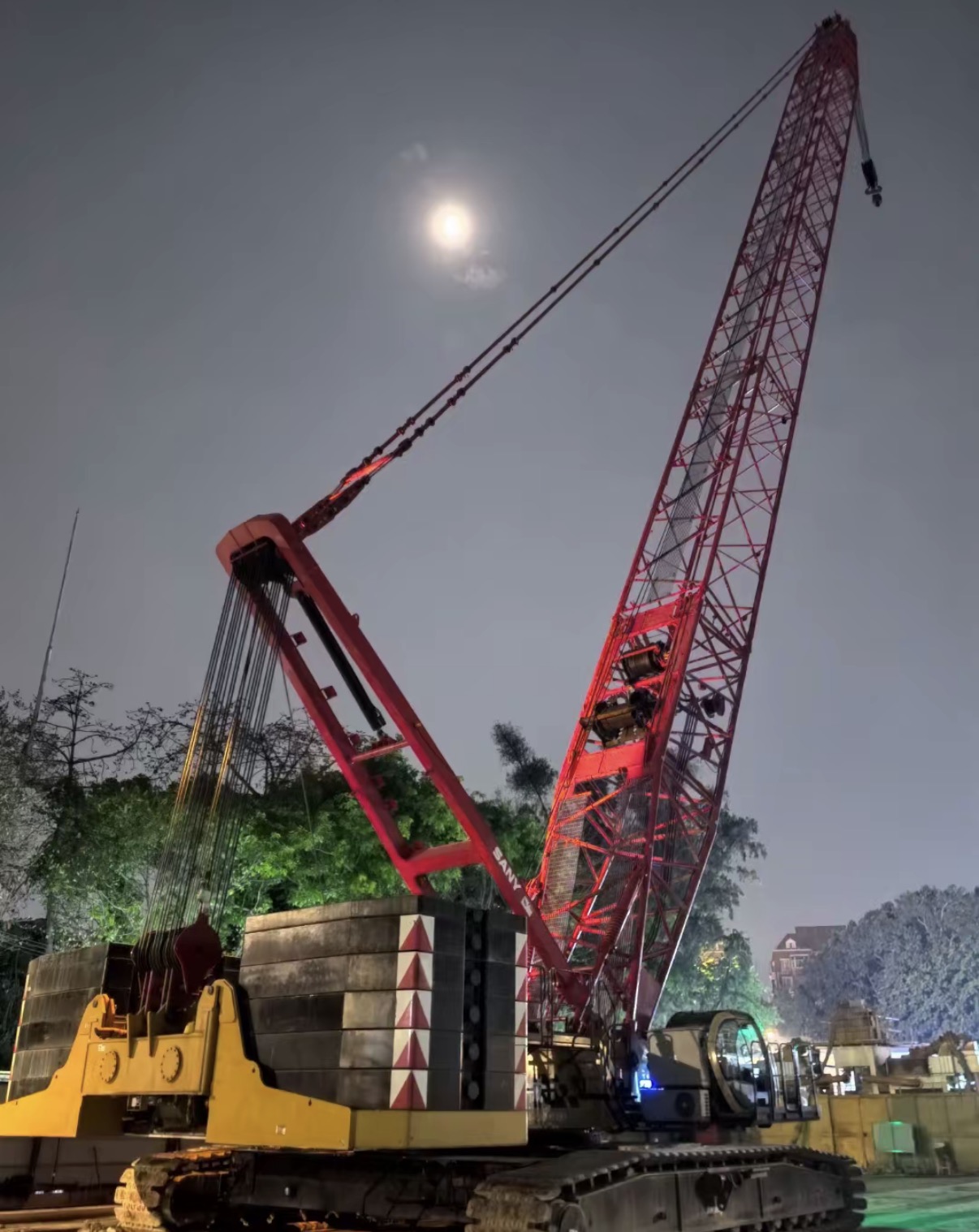
First and foremost, crawler cranes offer exceptional lifting capacity and stability. Their undercarriage, which uses crawler tracks, results in low ground-bearing pressure, allowing them to operate stably on soft or uneven terrain. During wind power installation, when multi-hundred-ton nacelles must be lifted to heights of over 100 meters, crawler cranes—equipped with superlift attachments, heavy-duty main booms, and luffing jibs—provide the immense power needed to ensure a smooth and reliable lift.
Furthermore, crawler cranes possess the capability to travel with a load. While the road conditions within a wind farm are often limited, a crawler crane can be assembled at a central staging area and then move under its own power to individual turbine foundations. This short-distance repositioning capability greatly enhances efficiency for wind power installation projects, which frequently require the crane to move between multiple turbine sites.
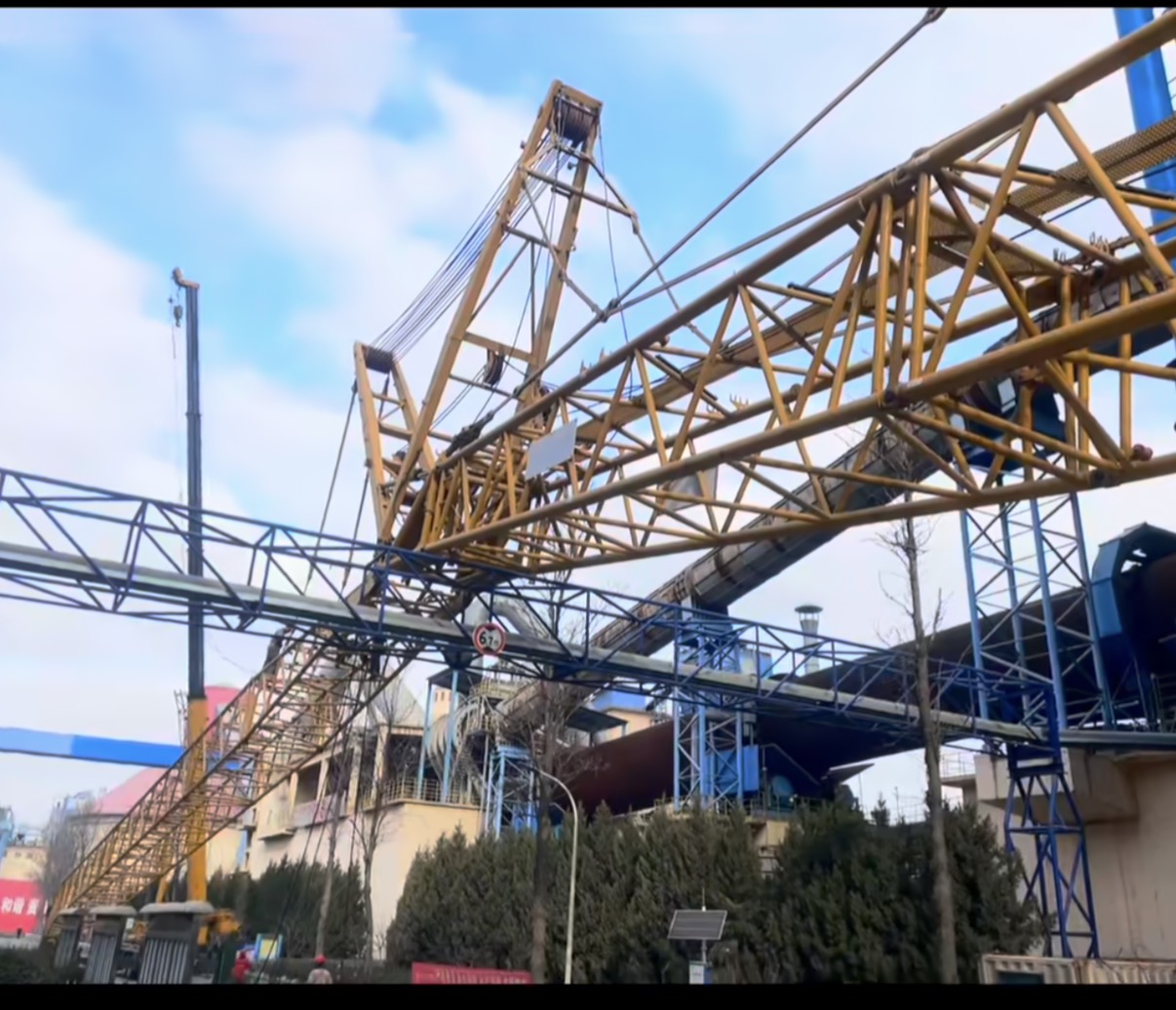
The Practical Application of Crawler Cranes in Wind Power Installation
On a typical wind power installation site, the crawler crane plays the role of the primary workhorse. Such projects often require the coordinated effort of multiple cranes, with the large-tonnage crawler crane handling the most critical lifts.
For example, during a split-piece installation method, the crawler crane first lifts the bottom tower section, placing it with precision onto the foundation. Then, by continually extending its main boom, it sequentially lifts and mates the mid and upper tower sections. This process demands exceptional fine-tuning capability and precise control from the crawler crane. When it comes time to install the nacelle and the rotor assembly, wind conditions at high altitudes can be unpredictable. The crane's luffing and slewing mechanisms must enable millimeter-level adjustments to ensure the components can be connected safely and accurately. Ultimately, every successful turbine grid connection is a testament to the stable performance of the crawler crane throughout the wind power installation.
Moreover, as turbines grow larger, older, smaller cranes are becoming obsolete. This trend pushes crawler crane manufacturers to continuously innovate towards even greater capacities and more intelligent control systems. A growing number of ultra-large crawler cranes are now being deployed on wind farms worldwide, particularly on offshore projects, constantly pushing the boundaries of lifting height and safety standards.
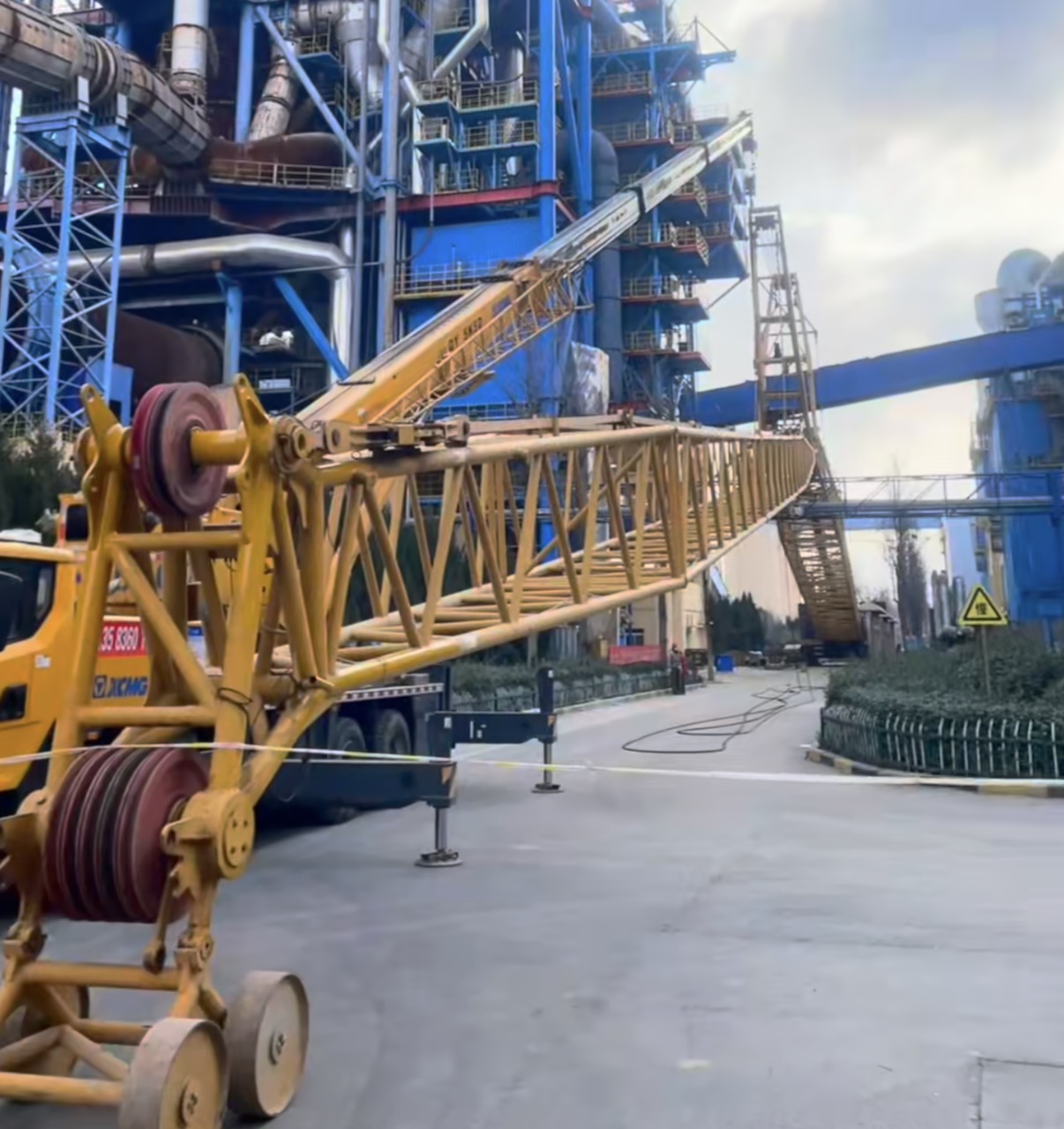
Safety: The Eternal Foundation of Crawler Crane Operations in Wind Power
In the high-risk field of wind power installation, safety is the lifeline that runs through every phase of the project. While crawler cranes are inherently powerful, neglecting safety protocols can lead to catastrophic accidents.
Safety begins with the proper selection of equipment and configuration of the lift. Before any wind power installation task, the load factor for the crawler crane must be precisely calculated based on the maximum weight of the turbine components, the required lifting height, and the working radius. It is imperative never to compromise safety by attempting lifts with insufficient capacity; ample safety margins must always be maintained.
Safety is also critically dependent on ground preparation. During wind power installation, a crawler crane operates under immense loads for extended periods. The ground on which it stands must be meticulously prepared and tested. The consequences of ground settlement or collapse, especially on mountainous or soft terrain, would be disastrous. Therefore, ground bearing capacity is the primary line of defense in ensuring the safety of crawler crane operations.
Safety is further embedded in the entire process of operation and management. Wind power installation is often carried out at height in remote, exposed areas with changeable weather. Lifting operations must be halted immediately if wind speeds exceed the prescribed limits. Clear communication between the crawler crane operator, the ground directors, and the rigging crew is essential, with all instructions being unambiguous. At the same time, all safety devices on the crawler crane, such as load moment indicators and hoist limit switches, must be regularly inspected to ensure they are sensitive and fully functional.
From the perspective of safety culture, the success of every wind power installation project is a direct result of strictly adhering to safety rules and regulations. Whether it is the daily maintenance of the crawler crane, the expert review of the lifting plan, or the emergency drills for potential safety incidents, all activities revolve around this core principle.
Conclusion
In summary, the crawler crane, with its immense lifting power, inherent stability, and ability to navigate complex terrain, has become an indispensable piece of equipment for the wind power installation sector. As the wind industry evolves towards taller towers, larger components, and more challenging offshore environments, the performance demands on crawler cranes will only continue to increase.
However, no matter how much technology advances, we must never forget that safety is the fundamental prerequisite for all lifting operations. Only by integrating the principles of safety into every equipment selection, every lift plan, and every on-site operation can these steel giants stand tall and reliable in the construction of green energy, making a lasting contribution to a sustainable future for humanity.