
Balancing Portability and Safety: An Analysis of Suspension Point Design and Load-Bearing Requirements for Portable Hoist Cranes
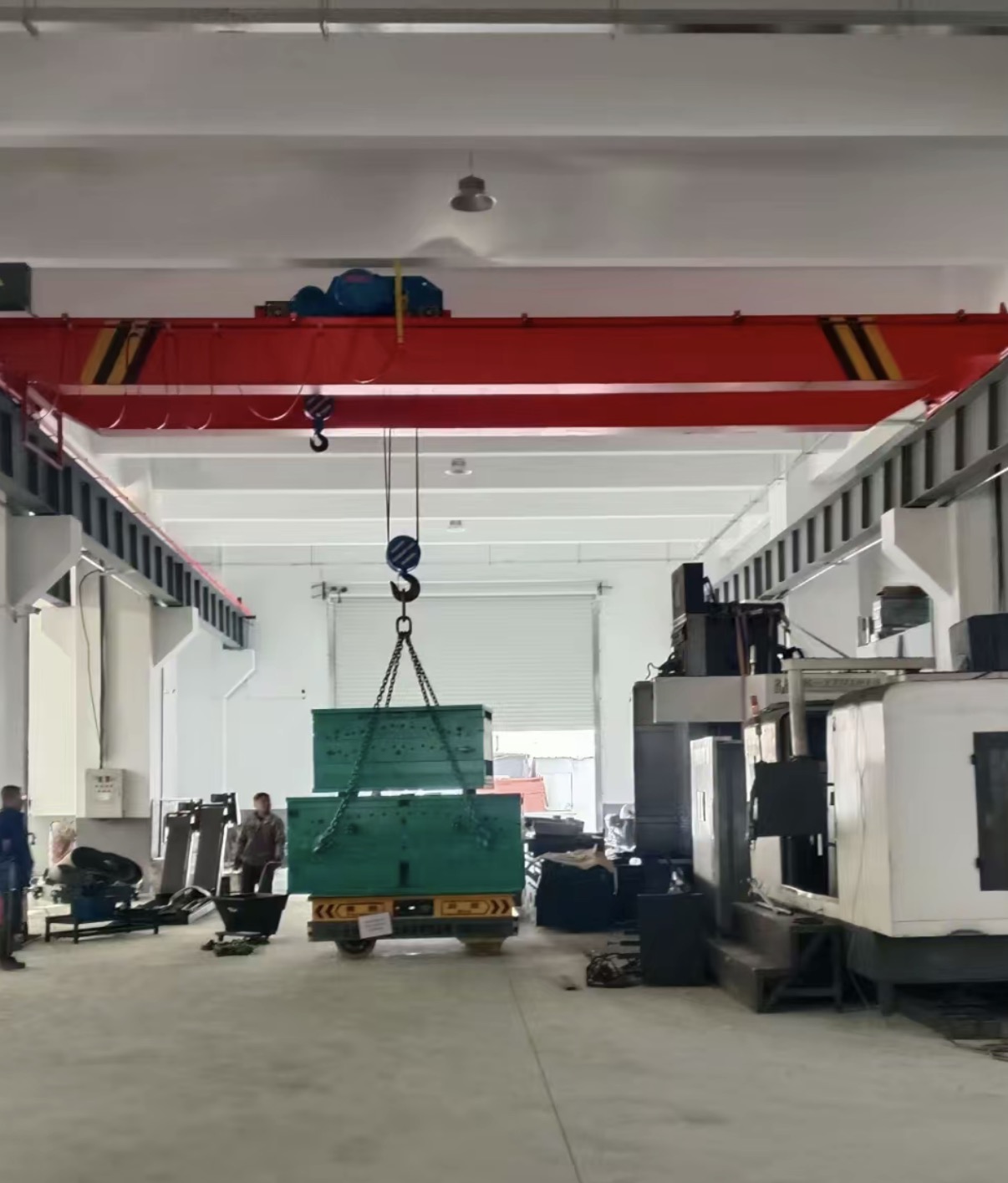
In modern construction and emergency rescue, the portable hoist crane has become indispensable due to its compact structure and easy assembly. Unlike fixed machinery, the high mobility of this equipment imposes stringent requirements on its design, particularly the suspension points. As an important branch of the hoist crane family, it must balance portability with high load-bearing capacity while adhering to general standards. This article delves into the key technical aspects of suspension point design for portable hoist cranes and analyzes their load-bearing requirements under various working conditions.
Structural Characteristics and the Core Role of Suspension Points
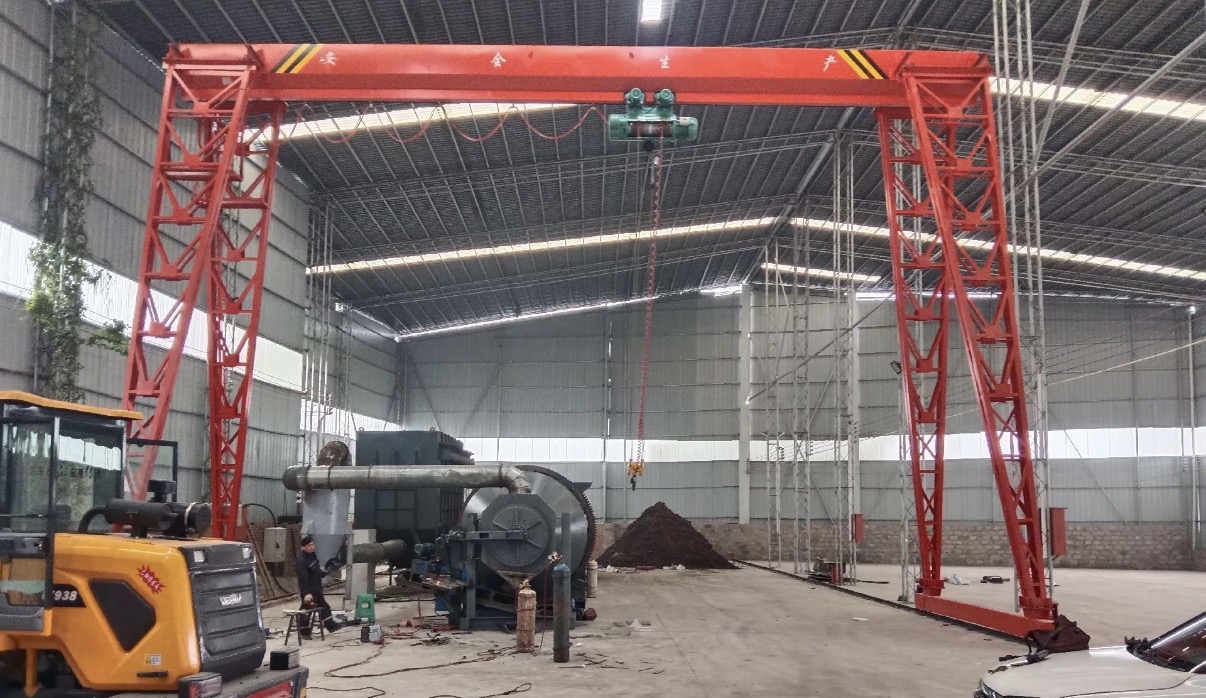
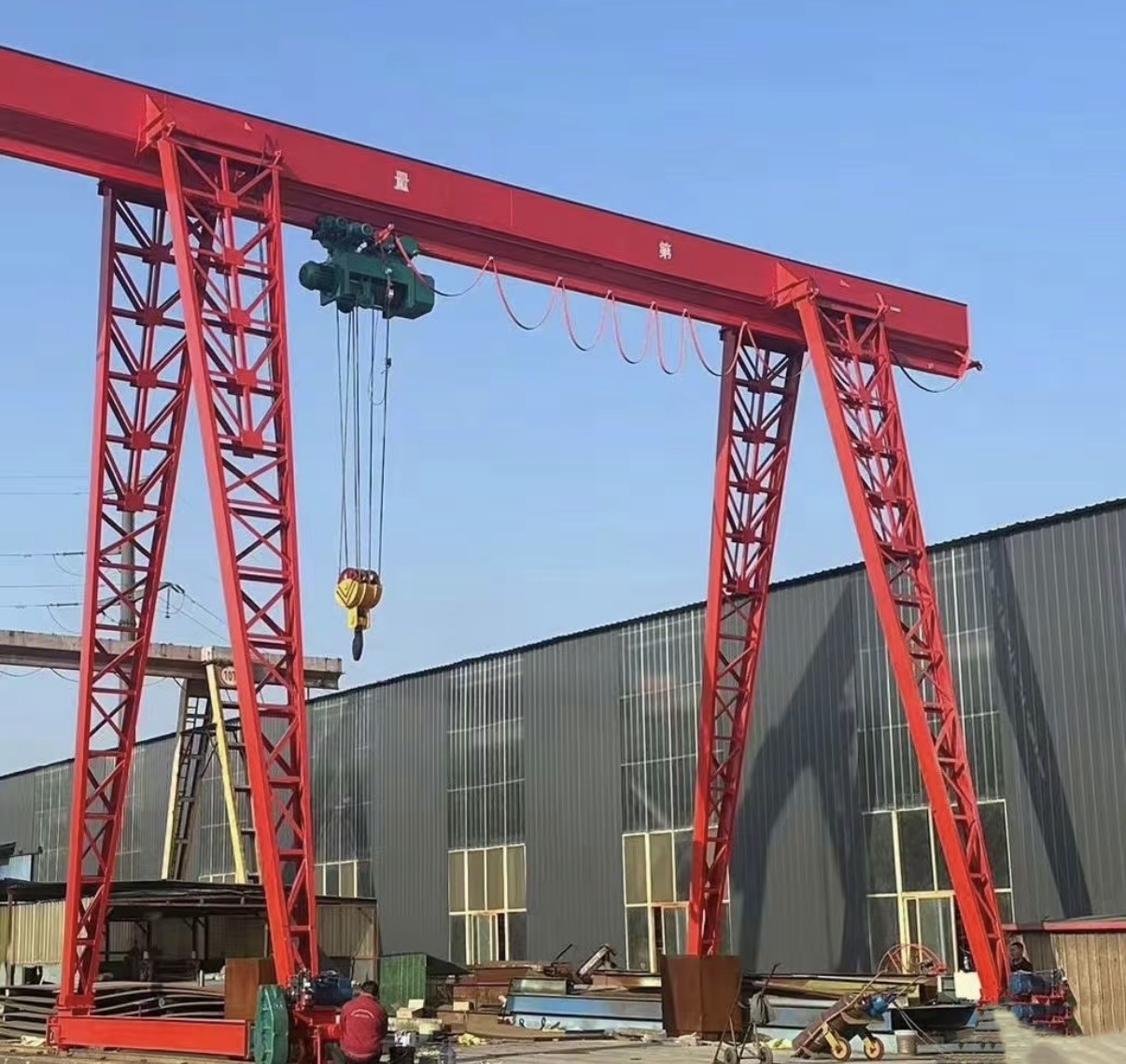
A portable hoist crane typically consists of supporting legs, a main beam, a hoisting mechanism, and the critical suspension point system. Its primary characteristic is "portability," allowing quick disassembly for manual transport to areas without road access, making it adaptable to diverse working conditions.
In this structure, the suspension point connects the hoist to the main beam. It must bear the vertical load of the weight and withstand horizontal impact forces from trolley movement or wind loads encountered under various working conditions. Compared to traditional hoist cranes, the suspension points of portable hoist cranes often endure higher stress concentrations because their structural weight is strictly limited to maintain portability across different working conditions. The design of these suspension points directly determines the safety of the entire machine under all working conditions, whether during routine lifting or extreme field operations.
Mechanical Design and Material Selection for Suspension Points
In designing a portable hoist crane, the suspension points are typically located on the lower flange of the main beam. Addressing portability, the design must focus on several dimensions:
Local Stress and Reinforcement
As portable hoist cranes often use high-strength aluminum alloys to reduce weight, stress concentration in the suspension point area becomes a weak link. When lifting, the suspension point transmits significant concentrated force to the main beam. Designers must incorporate stiffeners or local thickened plates in the suspension point area. Finite element analysis can simulate stress distribution under different working conditions, ensuring that even under test loads, the suspension point does not undergo plastic deformation.Fatigue Resistance and Safety Factors
Although portable hoist cranes do not operate continuously, frequent assembly and relocation subject welds to alternating loads. Therefore, the suspension point design must incorporate an adequate safety factor. International standards often require a minimum safety factor of 5:1 for suspension points on hoist cranes, meaning the structure can withstand five times the rated load without failure.Anti-Detachment Mechanisms
The connection between the hoist and the suspension point must incorporate reliable anti-detachment devices. Considering that the equipment may encounter strong winds in certain working conditions, the suspension point geometry should ideally include self-locking features to prevent the hoist from detaching when under load.
Load-Bearing Requirements Under Different Working Conditions
The load-bearing capacity of a portable hoist crane changes significantly with variations in working conditions, such as outrigger span and lifting height.
Rated Lifting Capacity Definition
Manufacturers typically provide a rated capacity chart for a hoist crane. For portable hoist cranes, this is often not a single number. The capacity might be 2 tons under ideal conditions, but when the outriggers are partially extended on a slope, the capacity must be reduced. The suspension point design must cover the most demanding working condition, ensuring sufficient strength even under unfavorable force angles.Dynamic Loads and Impact Factors
During lifting operations, sudden braking generates dynamic loads. Due to their light structure, portable hoist cranes are more sensitive to these loads. When designing suspension points, dynamic coefficients must be considered, as sudden forceful actions by personnel can generate forces far exceeding the static load under certain working conditions.Horizontal Loads and Stability
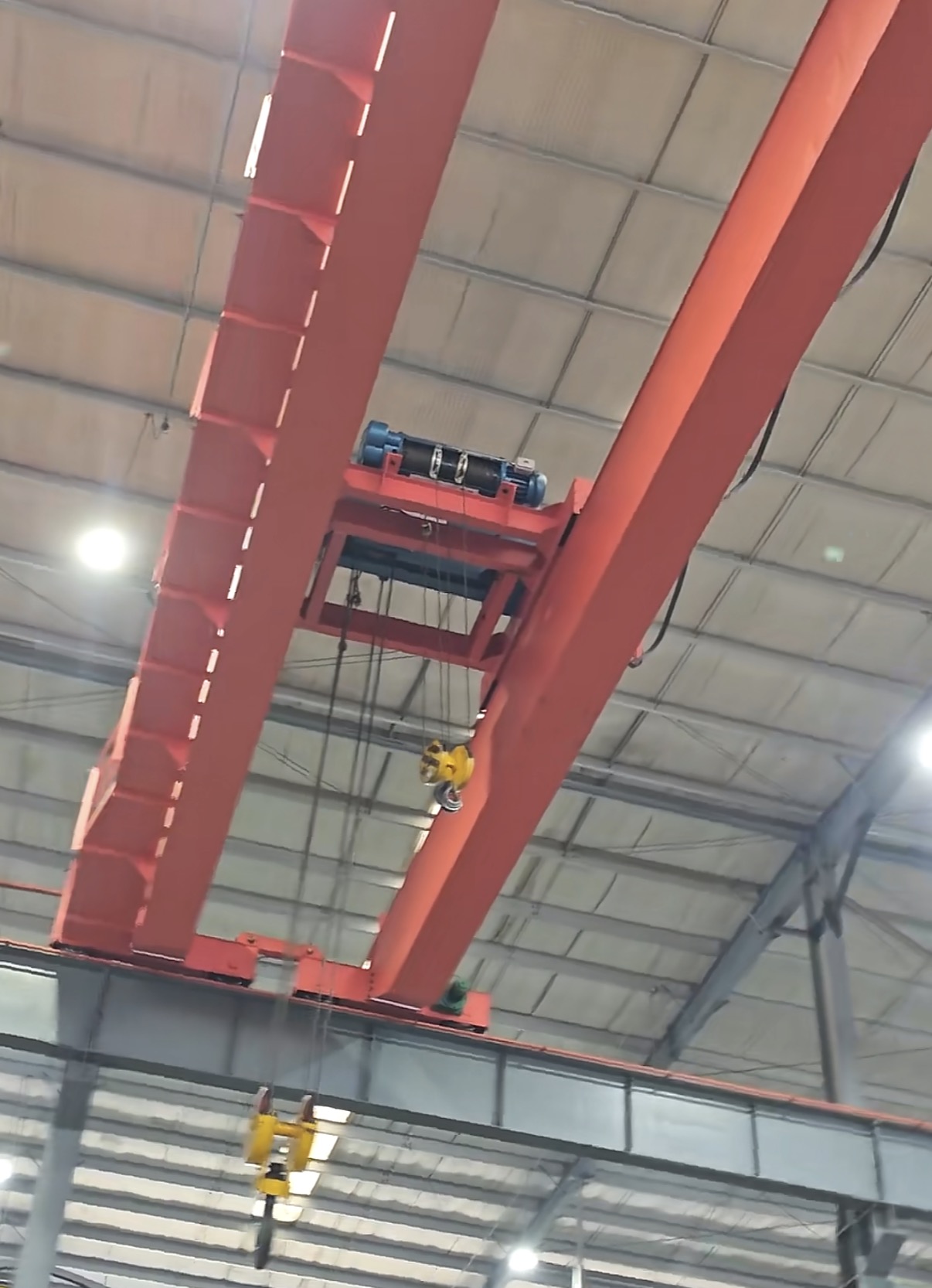
For portable hoist cranes where the hoist travels on a rail, moving to the end generates horizontal thrust on the suspension points. The suspension point system must not only bear vertical forces, but its bolts must also withstand horizontal lateral forces equivalent to a percentage of the lifting weight.
Maintenance and Inspection of Suspension Points
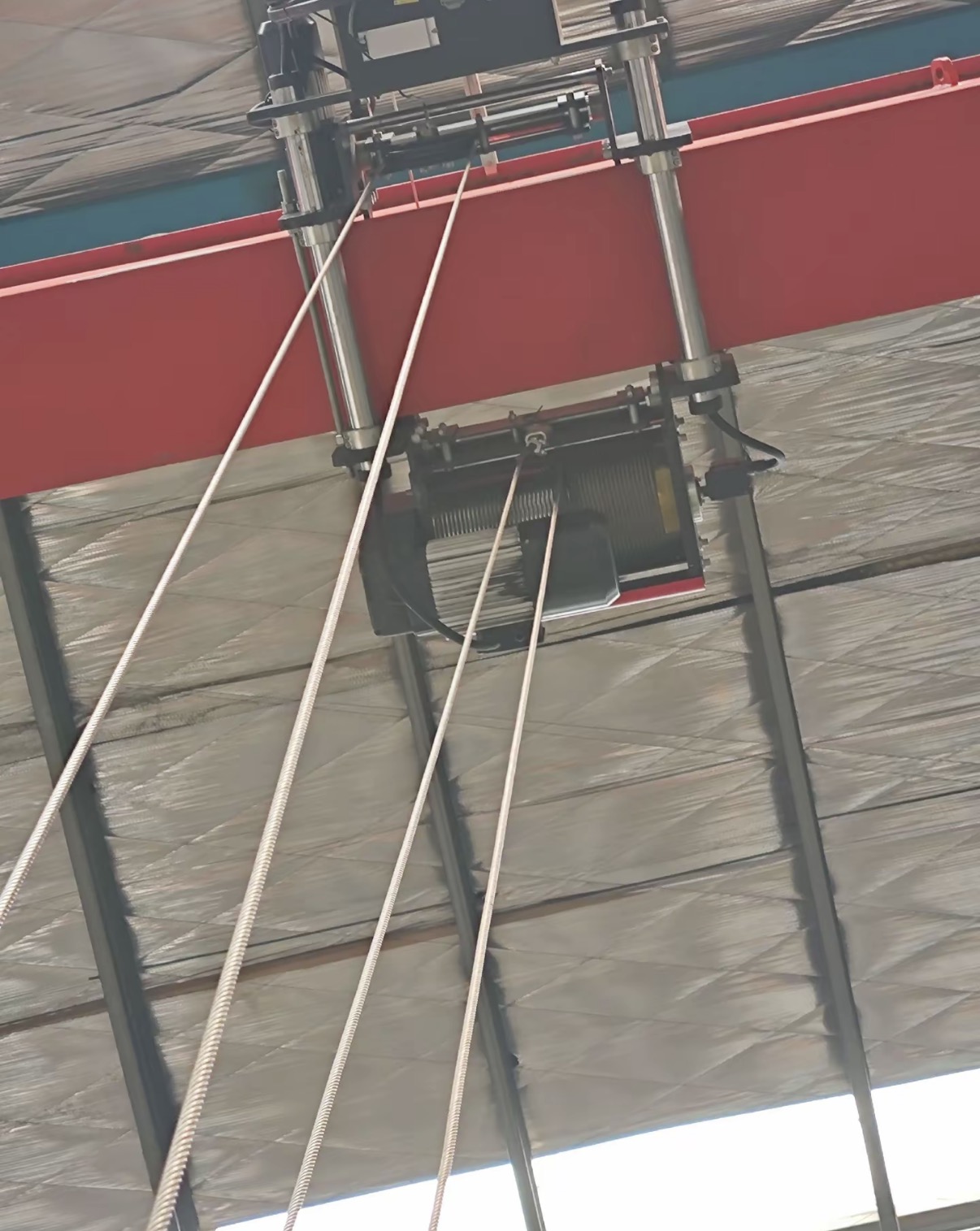
Given the specific environments where portable hoist cranes operate, the suspension points are susceptible to invisible wear. Establishing a rigorous inspection regime is crucial:
Crack Detection: Regularly perform magnetic particle inspection on the welds of suspension points to check for microscopic cracks.
Deformation Monitoring: Before each assembly of the portable hoist crane, check for bending on the main beam near the suspension points.
Connector Inspection: Bolts at suspension points must be tightened to the specified torque and checked for loosening.
Conclusion
Portable hoist cranes are key equipment for solving "last mile" lifting challenges. The design of their suspension points represents a high-level synthesis of mechanical analysis and material science. Designers must strive for lightweight construction while ensuring the ability to meet load-bearing requirements under various demanding working conditions. As a specialized branch within the hoist crane sector, every advancement in portable hoist cranes propels lifting machinery towards greater flexibility. For end-users, understanding the load-bearing limits of suspension points is a necessary prerequisite for enhancing operational efficiency under all working conditions.