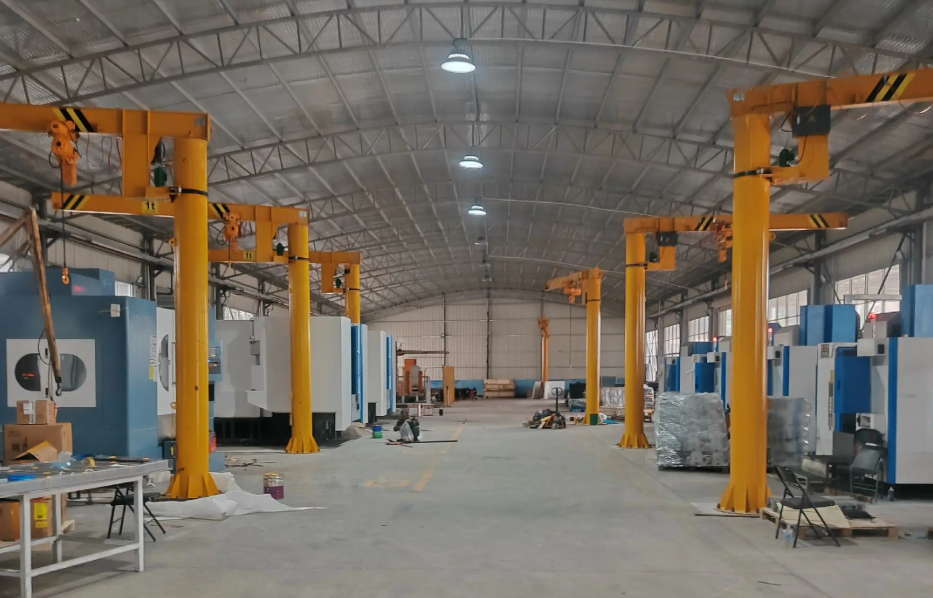
Key Considerations for Selecting a Jib Crane Electric Hoist
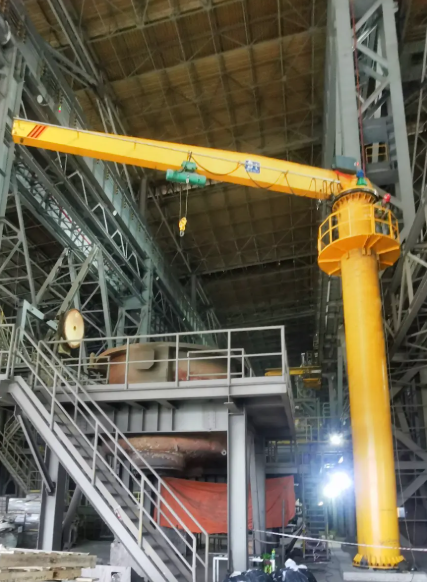
In the field of industrial material handling, the Jib Crane is a critical piece of equipment in workshops, warehouses, and docks due to its flexibility and efficiency. The core lifting component of a jib crane is the Electric Hoist, which directly impacts the overall performance of the Crane. Therefore, when selecting an electric hoist for a jib crane, it is essential to holistically consider the synergistic interaction between the jib crane, the Crane system, and the Electric Hoist to ensure safe, reliable, and economical operation. This article outlines key considerations for the selection process to inform your decision-making.
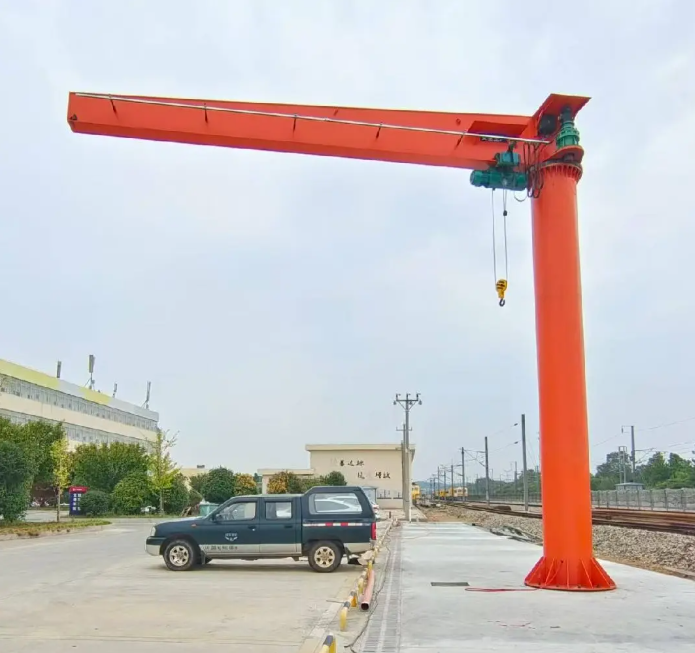
Lifting Capacity: The Foundation for Matching the Crane and Hoist
Lifting capacity is the primary factor in selection. The Crane must meet the maximum working load requirement, and the rated capacity of the Electric Hoist should be slightly higher than the actual load to provide a safety margin. For a Jib Crane, the load moment at the required boom length must also be calculated to prevent instability due to overload. Furthermore, the dynamic load capacity of the Crane should be evaluated, especially in applications with frequent starts and stops. The motor and braking system of the Electric Hoist must be compatible with the Crane's operating cycle.
Working Range: Spatial Compatibility of the Jib Crane
The span of the Jib Crane determines its horizontal coverage area and affects the working range of the Electric Hoist. Selection must be based on the workshop layout to ensure the Crane can service all necessary work points. Additionally, the rotation angle of the boom (e.g., 180° or 360°) impacts flexibility; a full-circle Jib Crane combined with the Electric Hoist enables multi-directional handling. The installation height of the Crane must also be coordinated with the lifting height of the Electric Hoist to optimize the working range.
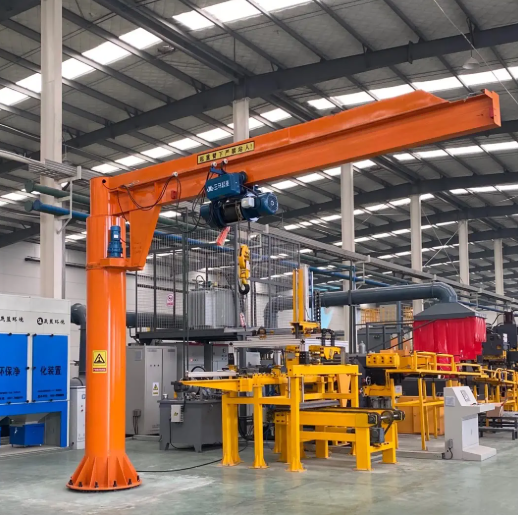
Electric Hoist Performance: The Core of Crane Efficiency
The performance parameters of the Electric Hoist directly determine the efficiency of the Crane. Lifting speed, motor power, and braking type should be selected based on application intensity; for instance, a Jib Crane in high-duty cycles should be paired with a heavy-duty Electric Hoist. The control method of the Electric Hoist (e.g., remote control, pendant) should also be compatible with the Crane operation process to improve ergonomics. Simultaneously, the protection rating (e.g., dustproof, waterproof) of the Electric Hoist must match the Crane's working environment.
Safety Standards: Regulatory Compliance of the Crane System
Safety is paramount in Crane selection. The Crane must comply with national or industry safety standards, including load limiting, structural stability, and anti-collision design. The Electric Hoist should feature overload protection, limit switches, and emergency braking functions to enhance the safety of the entire Crane system. For a Jib Crane, its wind resistance and foundation fixation must also be assessed. Regular inspections for wear on both the Crane and the Electric Hoist are essential to prevent accidents.
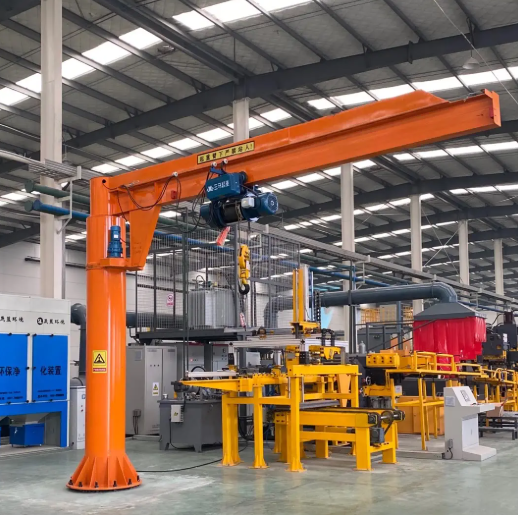
Installation and Maintenance: Ensuring Long-Term Reliability
The foundation for the Jib Crane installation must be solid, and maintenance access for the Electric Hoist should be well-designed. Choosing a modular Crane facilitates future expansion, and the components of the hoist should be standardized to simplify repairs. The Crane's service life is closely linked to the maintenance frequency of its hoist unit. Therefore, supplier after-sales service must be considered during selection to ensure timely availability of spare parts for both the Crane and its Electric Hoist.
Cost-Effectiveness: Balancing Initial Investment and Operating Costs
The purchase cost of the Jib Crane, along with the energy consumption and maintenance costs of the Electric Hoist, requires comprehensive evaluation. An efficient Crane paired with an energy-saving Electric Hoist can reduce long-term operating expenses. Furthermore, the brand reputation of the Crane and the technical support for the Electric Hoist influence the selection decision. It is advisable to perform a lifecycle cost analysis to optimize the configuration of the Jib Crane and Electric Hoist.
Conclusion
In summary, selecting an Electric Hoist for a Jib Crane is a systematic engineering task that requires deep integration of the specific requirements of the Jib Crane, the overall Crane system, and the Electric Hoist. Correct selection not only enhances the performance of the Crane system but also ensures the reliable operation of the Electric Hoist, ultimately providing an efficient and safe material handling solution. Before finalizing a decision, conduct on-site surveys and consult with professional engineers to achieve perfect synergy between the Jib Crane, the Crane, and the Electric Hoist.