
Analysis of Major Causes for Container Gantry Crane Toppling Accidents
The container gantry crane, a core piece of equipment in modern ports and logistics hubs, plays an indispensable role in enhancing cargo handling efficiency and facilitating global trade flow. Commonly referred to as a gantry crane or container gantry crane, this heavy-duty machinery is designed for stacking and transferring large volumes of containers. However, several toppling accidents in recent years have caused significant economic losses and posed serious safety risks, drawing widespread industry attention. The causes of such accidents are complex and multifaceted, often involving design, operation, environmental conditions, and maintenance. This article aims to provide an in-depth analysis of these causes to offer insights for preventing similar incidents. Notably, structural failure, as one of the key factors, often intertwines with other risks, increasing the likelihood of an accident.
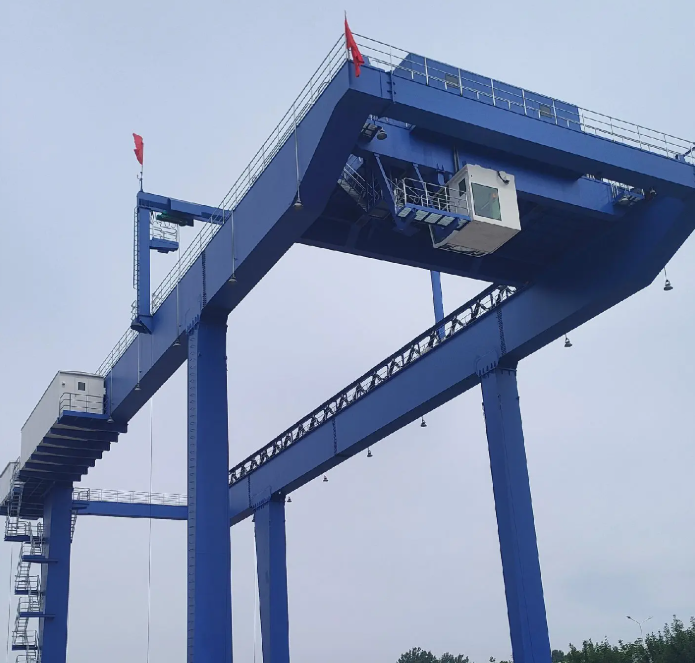
Design Flaws and Structural Failure
The design of a container gantry crane forms the foundation for its long-term stable operation. Omissions during the design phase, such as insufficient material strength, incorrect mechanical calculations, or underestimated wind load resistance, can easily lead to structural failure. This failure may manifest as fatigue cracks, plastic deformation, or sudden fractures in critical components like legs, girders, or hoisting mechanisms, ultimately causing a complete toppling. For instance, some older models of gantry cranes did not adequately account for the impact of dynamic loads during design. The cumulative stress from frequently lifting heavy containers can exceed limits, thereby inducing structural failure. Furthermore, an inadequate safety factor in design amplifies risks, making a container gantry crane more prone to failure under abnormal working conditions. Therefore, optimizing design standards and incorporating redundant safety mechanisms are primary steps in preventing structural failure.
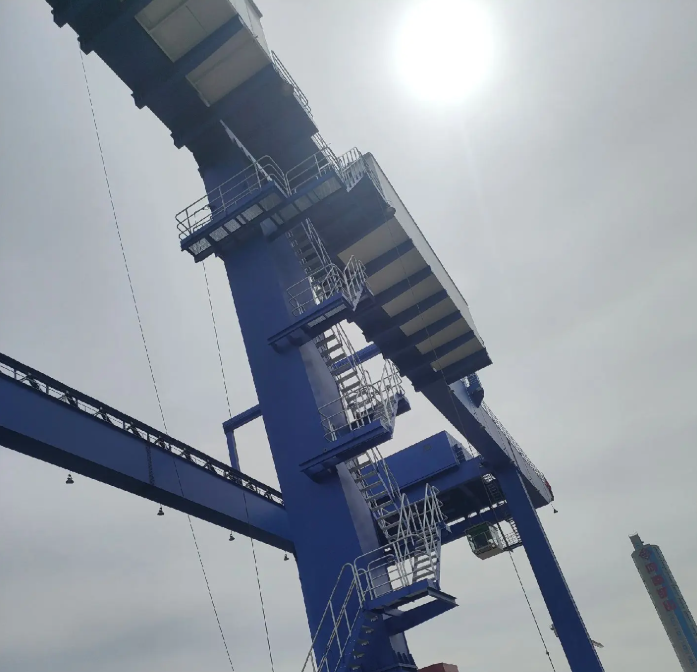
Operational Errors and Overloading
The skill level and safety awareness of operators directly affect the stability of a container gantry crane. During operations, violations such as rapid hoisting, excessive swinging, or unbalanced loads can instantaneously increase mechanical stress, leading to toppling. Overloading is another common cause: when a container gantry crane handles loads exceeding its rated capacity, the structure endures extra pressure. Prolonged overloading accelerates component wear and can even trigger sudden structural failure. A gantry crane under overload experiences a shifted center of gravity and significantly reduced stability, making it highly vulnerable to toppling if external disturbances occur. Training operators to follow procedures and installing load limiters are effective measures to mitigate such causes.
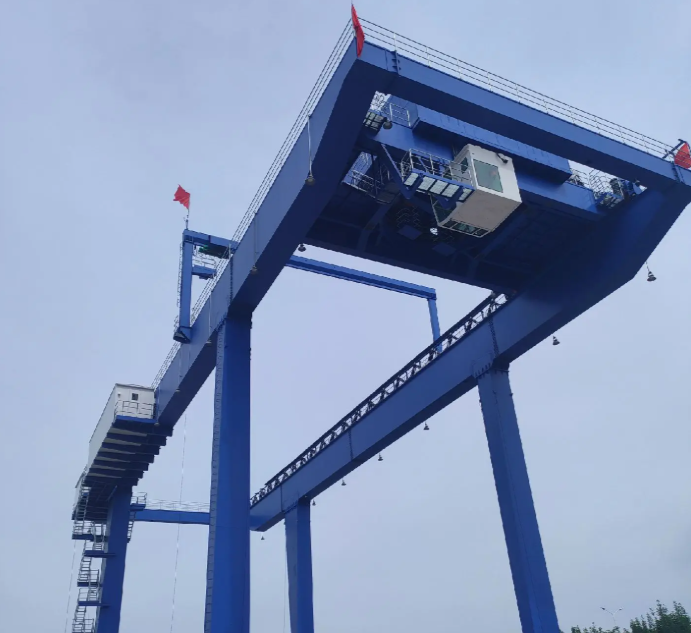
External Impacts from Severe Weather
Harsh weather conditions like strong winds, heavy rain, and lightning are significant external causes of gantry crane toppling. Typically operating outdoors, these tall structures have a large wind exposure area. Instantaneous strong winds can generate overturning moments that exceed the design's wind resistance. For example, during typhoon seasons, several accidents have occurred due to failure to anchor in time or the malfunction of wind protection devices, causing container gantry cranes to slide or collapse under wind loads. Structural failure is often triggered in such scenarios, as extreme weather can expose weaknesses in design or maintenance, such as loose bolts or foundation corrosion, thereby exacerbating overall instability. Consequently, real-time weather monitoring and reinforced wind protection measures are crucial for prevention.
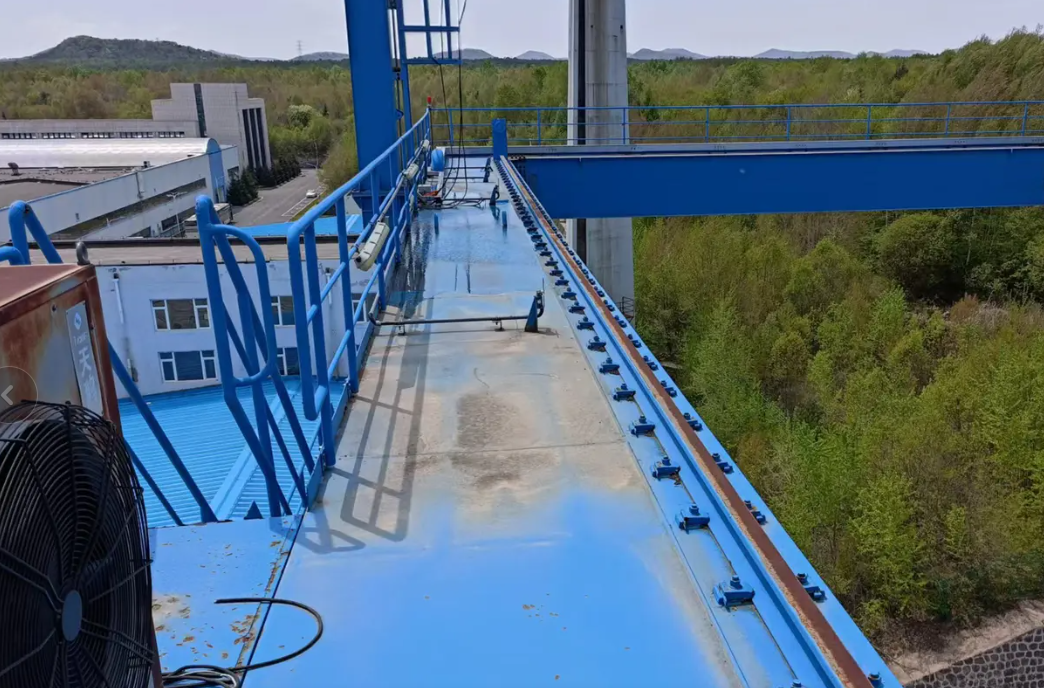
Inadequate Maintenance and Inspection Oversight
Regular maintenance and inspection are vital for ensuring the safety of a gantry crane. Poorly executed maintenance schedules—such as insufficient lubrication, delayed part replacement, or improper corrosion treatment—can create hidden dangers. Structural failure often stems from undetected minor defects: for instance, unnoticed weld cracks or worn connectors may expand during operations into critical failures, leading to the toppling of a container gantry crane. The complex structure of a gantry crane demands comprehensive checks, including electrical systems, hydraulic devices, and mechanical components. Any oversight can trigger a chain reaction leading to an accident. Implementing preventive maintenance and adopting advanced detection technologies like ultrasonic flaw detection can significantly reduce the risk of structural failure.
Unstable Foundations and Ground Subsidence
The crane foundation is critical for supporting the entire equipment. Flaws in foundation design or construction, such as insufficient concrete strength or uneven ground settlement, directly affect the stability of a container gantry crane. Ground subsidence, potentially caused by changes in groundwater levels, soil loosening, or adjacent construction, can lead to foundation tilting, subjecting the gantry crane to additional stress. Over time, this instability may transfer to the superstructure, inducing structural failure and ultimately causing a topple. During the installation of a container gantry crane, geological surveys and foundation monitoring are essential to ensure a solid base capable of resisting natural and man-made changes.
Conclusion
In summary, the causes of container gantry crane toppling accidents are diverse and interconnected, spanning design flaws, operational errors, environmental impacts, and maintenance deficiencies. Each link in the chain requires strict control. Particularly, structural failure, as a core element threading through multiple causes, highlights the importance of the overall safety chain. By enhancing design redundancy, standardizing operational procedures, responding to weather changes, strengthening maintenance systems, and securing foundations, the risks of toppling for container gantry cranes and gantry cranes can be effectively reduced. The industry should continue to promote technological innovation and standard improvement to ensure these heavy-duty machines operate safely while maintaining high efficiency, thereby protecting lives and property.