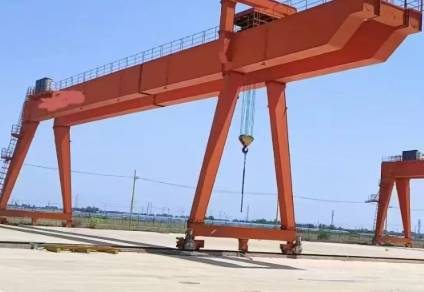
Key Considerations for Gantry Crane Assembly
The assembly of a gantry crane is a complex and critical engineering undertaking. The performance, safety, and longevity of the final crane are directly determined by the rigor applied during its construction. Achieving the specified assembly precision is not merely a technical goal but the foundational requirement for the entire project. This article outlines the essential considerations for assembling this major piece of industrial equipment, continuously emphasizing the inseparable link between meticulous assembly precision and a successful crane deployment.
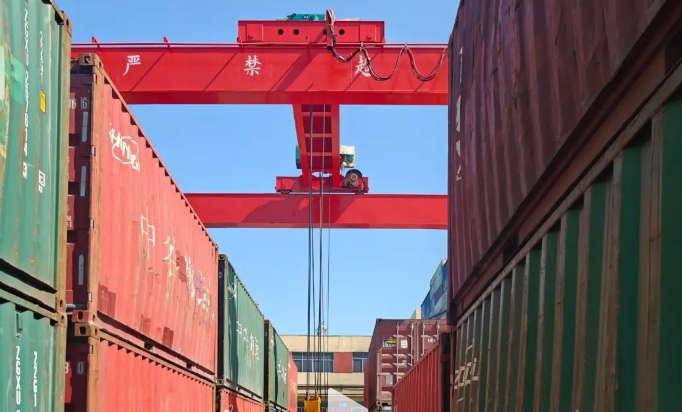
Foundational Planning and Component Verification
Success begins with exhaustive preparation. Every major component destined for the gantry crane, from structural steel segments to electrical panels, must undergo stringent dimensional and condition checks, as they form the very building blocks of the crane. The assembly site itself must be prepared to support the weight and the dynamic forces involved in erecting a large crane. Detailed lift plans and sequence drawings are essential for the entire crane project. This phase sets the stage for achieving the required assembly precision, as any discrepancy in foundation leveling or component quality will compound during the erection of the gantry crane, making it impossible to build a reliable and durable crane
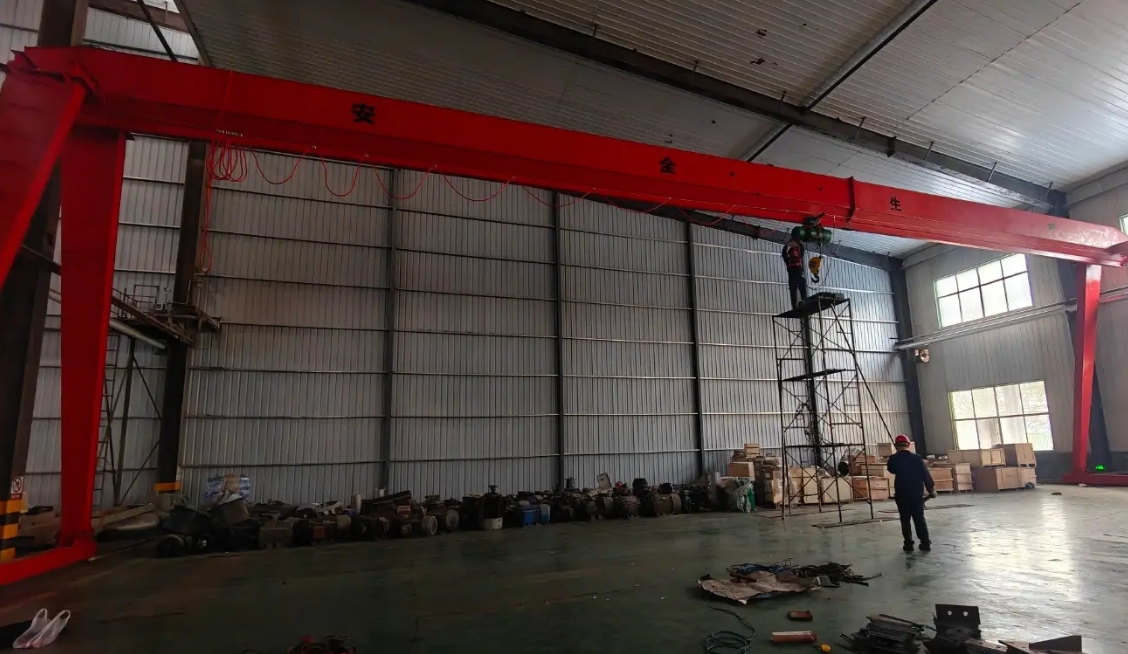
Structural Erection and Dimensional Mastery
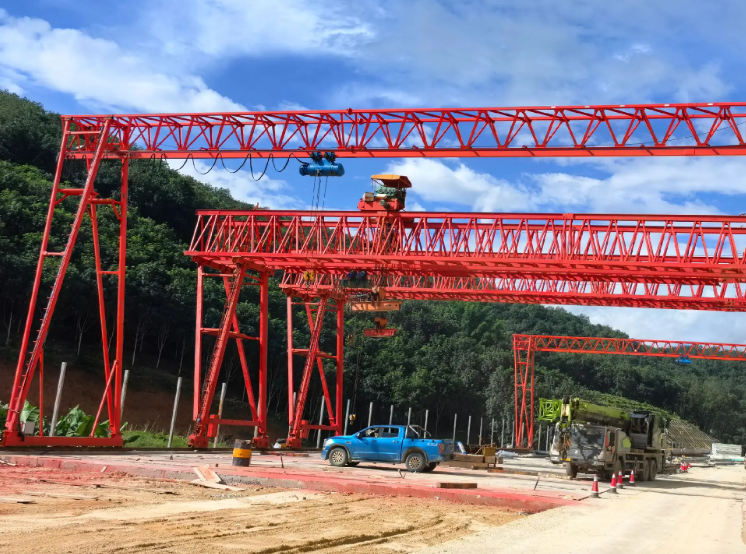
The physical construction phase is where plans become reality and assembly precision is won or lost. The sequential erection of legs, end carriages, and the main girder of the gantry crane requires continuous surveying. This process establishes the core geometry of the crane. The alignment of leg verticality, the camber and levelness of the crane's main girder, and the squareness of the entire frame must be meticulously controlled and recorded. This relentless focus on assembly precision during structural fit-up ensures that the crane's skeleton is true, preventing binding, excessive wear, and skewed travel that would compromise the gantry crane's operation. Every bolted or welded connection must conform to specifications, as the integrity and longevity of the entire crane depend on it.
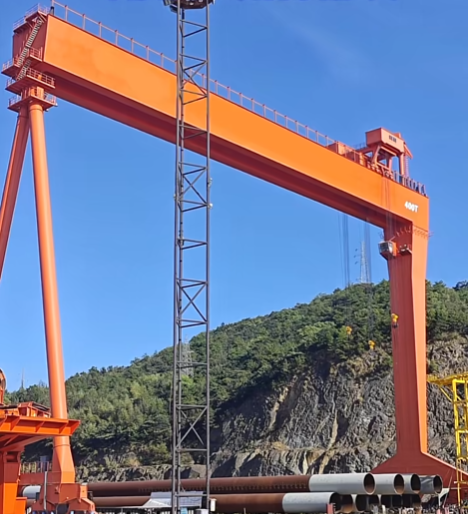
Mechanical and Electrical Integration
With the crane's primary structure complete, the critical phase of integrating its drive and lifting mechanisms begins. Installing the crane's traveling wheels, motors, gearboxes, and hoists requires meticulous alignment to the now-complete framework. The assembly precision achieved in the previous structural stage is paramount here for the entire crane; a misaligned girder will force compensatory adjustments in the drive system, leading to inefficiency and undue stress on the crane's components. Electrical system installation, while different in nature, also demands precision in cable routing, termination, and grounding to ensure the reliable control and operational safety of the gantry crane. The seamless interaction between mechanical fit and assembly precision is absolutely fundamental in building a fully functional, durable, and safe crane. This integration phase ultimately determines how effectively the crane will perform its intended duties.
Systematic Commissioning: Validating Precision Through Testing
Assembly precision must be proven, not assumed. Commissioning is the rigorous process of validation. Initial no-load tests of the gantry crane—checking all movements, limits, and safety devices—verify basic functionality. Subsequent load testing, incrementally up to rated capacity, is the ultimate test. Engineers measure girder deflection, monitor motor performance, and observe structural behavior. This data directly reflects the quality of the assembly precision. A crane that performs smoothly and within design parameters under load is the best evidence of a precise build. Any deviation prompts investigation and correction, ensuring the delivered gantry crane meets all standards.
Precision as the Cornerstone of Long-Term Value
The investment in superior assembly precision pays dividends throughout the equipment's operational life. A precisely assembled gantry crane experiences lower dynamic stresses, significantly reduced wear on wheels and rails, and more efficient power consumption. These advantages translate directly to higher availability, lower long-term operating costs, and an extended service life for the gantry crane. Ultimately, the technical discipline required to achieve and verify such exacting assembly precision during the construction phase is the most significant factor in determining the future of a gantry crane as a reliable and productive asset. This foundational principle establishes that the quality and precision built into the gantry crane from the very outset are the true drivers of its long-term value, safety, and performance.