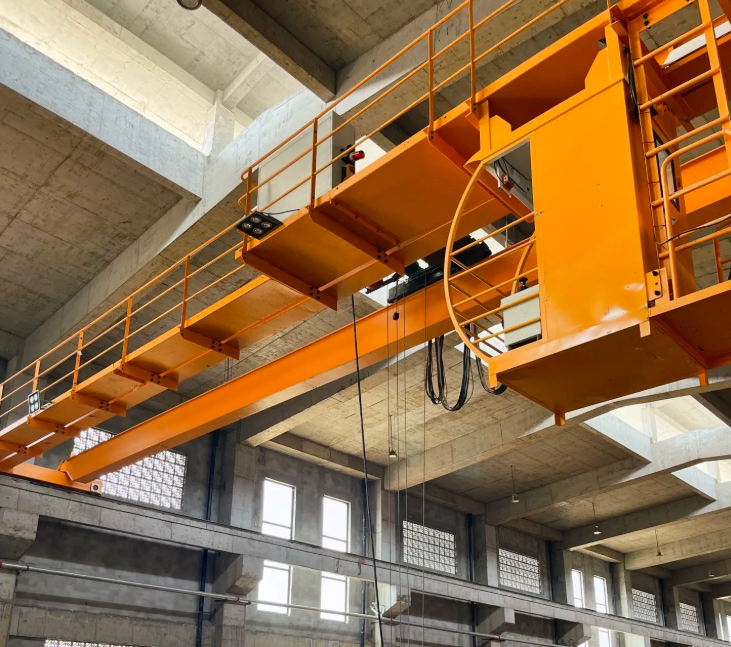
Fault Diagnosis and Maintenance of Electric Grab Cranes: Key Strategies for Ensuring Efficient and Safe Operation
In heavy industries such as ports, mining, and metallurgy, the electric grab crane is a core piece of equipment for material handling. Its reliable and efficient operation is paramount to production line safety and productivity. However, complex working conditions make it a potential hotspot for failures. Therefore, establishing a systematic and scientific framework for crane fault diagnosis and maintenance is crucial for ensuring the stable operation of grab cranes, extending equipment service life, and reducing operational costs. A robust crane fault diagnosis program is the first line of defense against unexpected downtime.
Common Fault Diagnosis for Electric Grab Cranes
Faults in an electric grab crane can generally be categorized into mechanical, electrical, and structural types. Accurate and timely crane fault diagnosis forms the foundation of effective maintenance, preventing minor issues from escalating into major failures:
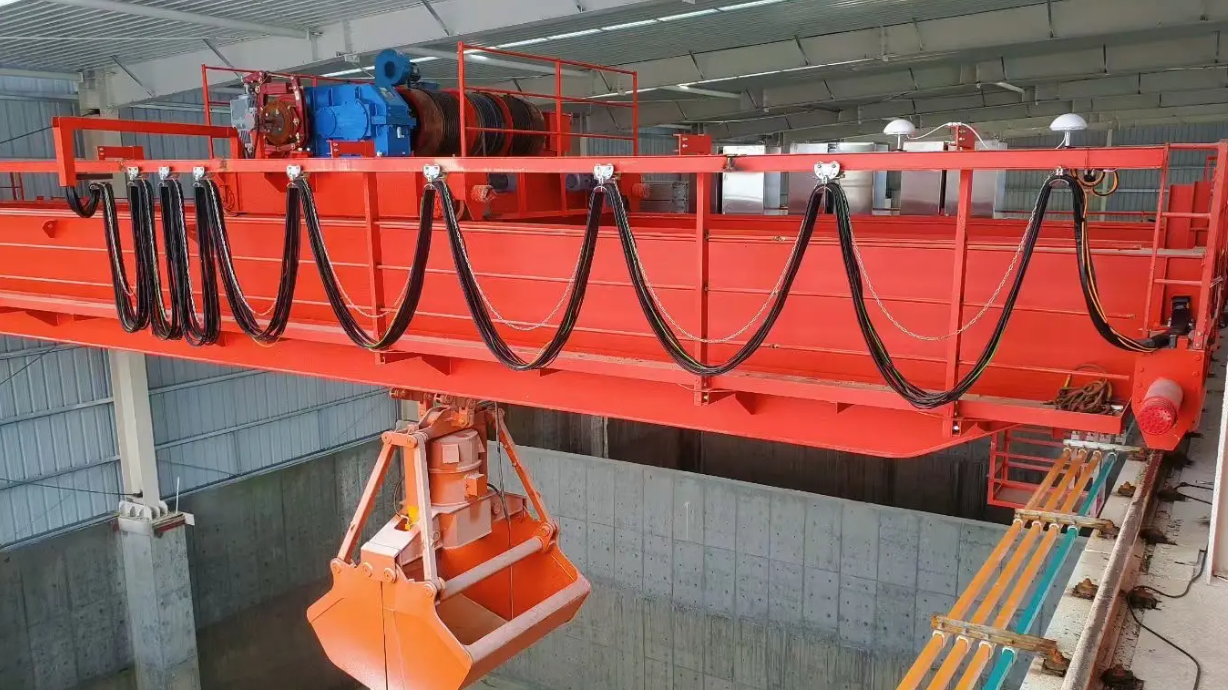
Mechanical System Faults: Common issues include wear, breakage, or deformation of the wire rope; jamming of the grab's opening/closing mechanism; abnormal wear in pulleys and bearings; and brake system malfunctions. Effective crane fault diagnosis combines visual inspections, vibration analysis, and auditory monitoring. For example, a wire rope exceeding the allowable broken wire limit must be replaced immediately. Grab mechanism inflexibility often points to inadequate lubrication at pivot points or structural deformation, highlighting the importance of regular checks on the grab crane's moving parts.
Electrical System Faults: As the control center of the electric grab crane, the electrical system is a frequent source of problems. These include motor overheating, degradation of insulation, poor contact in control circuits, abnormalities in drives or PLCs, and limit switch failures. Modern crane fault diagnosis utilizes tools like thermal imaging cameras to locate hotspots, insulation resistance testers to prevent leakage, and system diagnostics to interpret error codes for precise troubleshooting of the grab crane's complex circuitry.
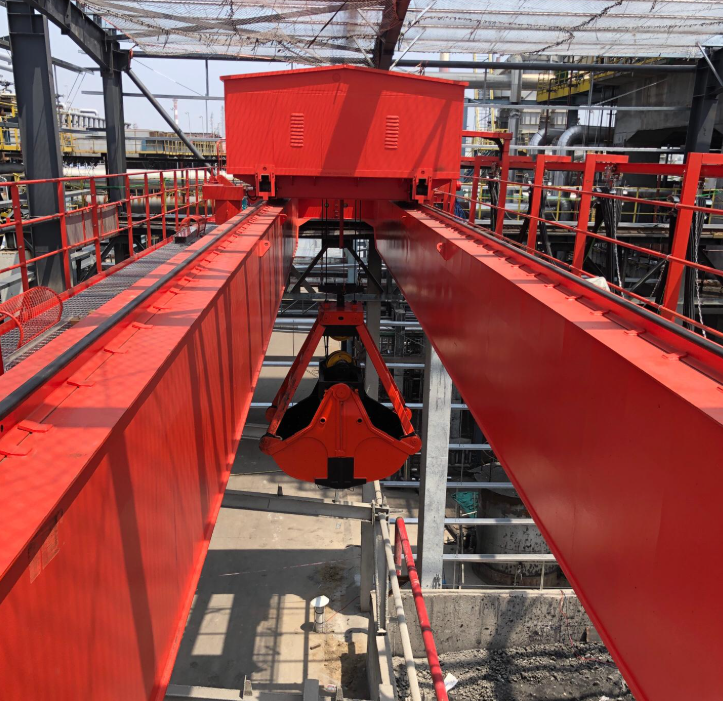
Structural and Hydraulic System Faults: Metal structures, such as the main girder and outriggers of the grab crane, require periodic non-destructive testing for fatigue cracks or deformation. For hydraulically operated grabs, system faults may manifest as pressure instability, high oil temperature, or internal cylinder leakage, diagnosed through pressure tests and oil analysis.
Systematic Maintenance Strategies: Prevention Over Correction
A proactive maintenance strategy, informed by consistent crane fault diagnosis, is essential to minimize unplanned downtime and ensure the longevity of the electric grab crane:
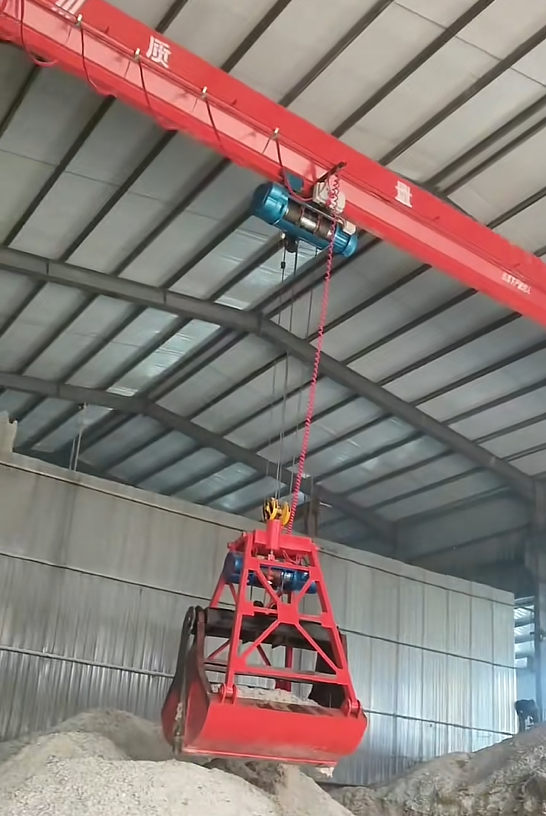
Routine Inspections and Preventive Maintenance: Daily visual checks and operational tests by personnel are vital. Attention should be paid to unusual noises, vibrations, or temperature changes in the grab crane. Scheduled preventive maintenance includes lubricating all moving components, tightening connections, cleaning electrical contacts, and verifying the functionality of safety devices like overload limiters. For the grab crane specifically, regular inspection and repair of the grab's cutting edges are necessary to maintain efficiency and prevent material spillage.
Scheduled Overhauls and Major Servicing: Based on operational hours or crane fault diagnosis data, planned medium and major overhauls should be conducted. Key activities involve replacing consumables like wire ropes and bearings, repairing or replacing worn grab components, performing comprehensive structural integrity checks and corrosion protection, and updating electrical systems. This planned approach extends the service life of the electric grab crane.
Focused Maintenance on Critical Components:
Wire Rope and Drum: Monitor for wear and broken wires; ensure proper spooling on the grab crane's drum to prevent damage.
Brakes and Gearboxes: Adjust brake clearance, check lining thickness, and perform regular oil changes and analysis on the crane's gearboxes.
Control System: Maintain clean and dry control panels for the electric grab crane, inspect contactors and relays, backup control programs, and service variable frequency drives.
Advancing Towards an Intelligent Maintenance Ecosystem
The integration of Industry 4.0 technologies is transforming maintenance for the electric grab crane. Installing sensor networks and IoT connectivity enables real-time data collection and cloud-based analytics. This facilitates predictive maintenance, moving beyond scheduled intervals to interventions based on the actual condition of the grab crane. Such intelligent systems significantly enhance the predictive capability of crane fault diagnosis, optimizing maintenance schedules and costs.
Conclusion
The dependable performance of the electric grab crane is foundational to industrial operations. Confronted with diverse failure modes, companies must prioritize a culture of preventive care, underpinned by systematic crane fault diagnosis. By investing in skilled personnel, advanced diagnostic tools, disciplined maintenance practices, and intelligent monitoring systems, organizations can ensure every grab crane operates as a reliable and durable asset, delivering sustained safety, efficiency, and value.