
How to Determine Whether a Crane's Lifting Capacity Meets the Required Standards? – A Comprehensive Analysis from Standards to Practice
In the fields of construction engineering, port logistics, and industrial production, the crane is an indispensable core piece of equipment. Whether a crane can complete its tasks safely and efficiently depends critically on whether its lifting capacity satisfies design requirements and on-site conditions. However, lifting capacity is not a static number on a nameplate; it is influenced by multiple factors such as structural condition, safety devices, and environmental conditions. Therefore, scientifically judging whether a crane"s lifting capacity meets the required standards is a crucial link in ensuring safe operations. This article systematically explains how to accurately assess a crane"s lifting capacity from aspects such as regulatory basis, documentation review, field testing, component evaluation, and operational condition adaptation.
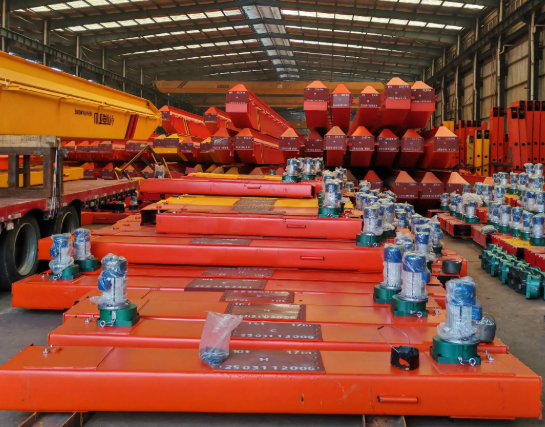
Documentation Review: Tracing the Source of a Crane"s Lifting Capacity
Before conducting field tests, a comprehensive review of the crane"s technical documentation must be carried out. This is a fundamental step in determining whether the crane meets the required standards:
Factory Certificate and Type Test Report: Verify that the rated specifications on the crane’s nameplate are consistent with the type test report. If the report is missing or parameters do not match, the crane"s performance becomes questionable.
Periodic Inspection Records: In-service cranes must undergo statutory inspection annually. A valid inspection certificate is fundamental proof that the crane remains compliant.
Modification and Repair Records: If a crane has undergone replacement of key components such as the main girder or hoisting mechanism, a new load test must be performed; otherwise, the crane"s original rated specifications are considered invalid.
If problems are identified during the documentation review, subsequent assessments of the crane lack a solid foundation.
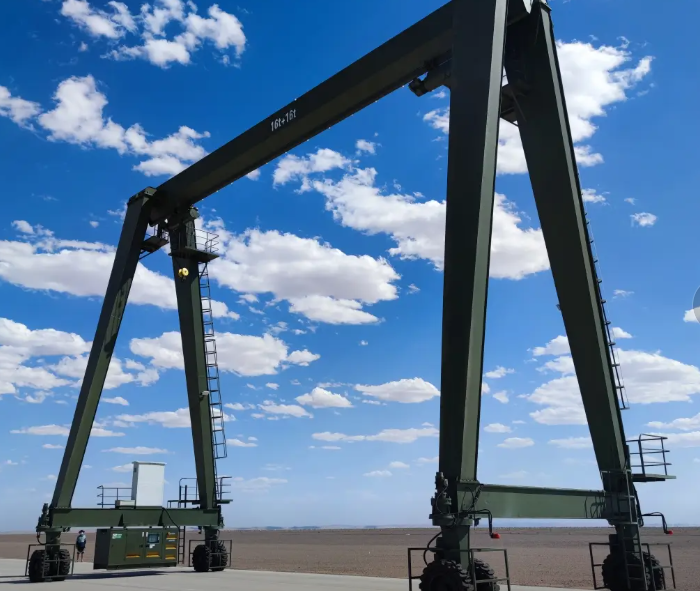
Load Testing: The Most Direct Method to Verify a Crane"s Lifting Capacity
Load testing is the core step in determining whether a crane"s lifting capacity meets the standards. It typically includes the following three items:
Rated Load Test: Lift 100% of the rated load and observe whether the crane’s various mechanisms (hoisting, slewing, luffing, traveling) operate smoothly, whether the brakes are reliable, and whether there is any abnormal deformation or noise in the metal structure. If, under rated load, the crane experiences load slipping, vibration, or limit device failure, it indicates that the actual lifting capacity has fallen below the stated value.
Static Load Test: Use 1.25 times the rated load, primarily to test the crane’s structural strength. Suspend the load 100–200 mm above the ground for 10 minutes and measure the deflection of key areas such as the main girder. If the residual deformation exceeds the allowable design limit (e.g., main girder deflection of an overhead crane > 1/1000 of the span), the crane’s lifting capacity is determined to be substandard.
Dynamic Load Test: Use 1.1 times the rated load to simulate operational processes, testing the crane’s dynamic response during lifting, braking, and traveling. If issues such as excessive braking distance, hydraulic system leakage, or abnormal noise occur, it also indicates that the crane"s lifting capacity cannot meet safety requirements.
Through these load tests, one can quantitatively determine whether a crane"s lifting capacity is genuine and reliable.
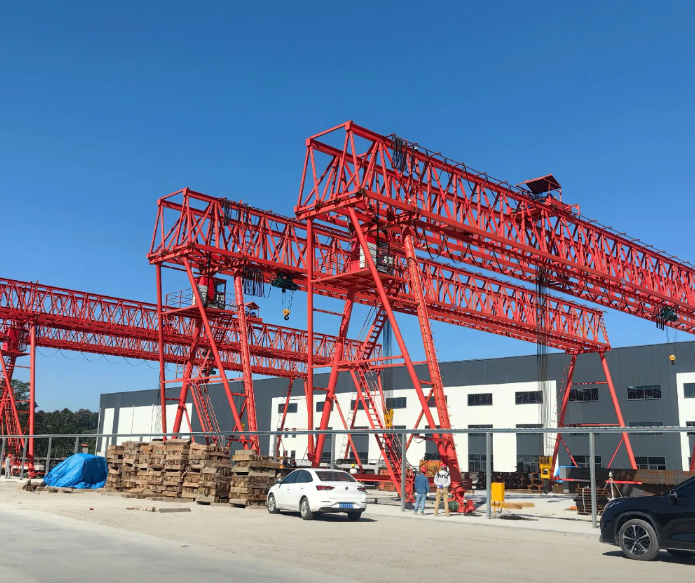
Key Components and Safety Device Assessment
The stable realization of lifting capacity depends on the condition of subsystem components:
Hoisting Mechanism: Wire rope diameter, wear amount, and arrangement; presence of cracks in drums and sheaves; whether there is tooth breakage in the gearbox. Any defects will compromise the effective lifting capacity.
Safety Devices: The load limiter must issue an alarm and cut off the lifting power when overload reaches 5%–10%. If it fails, the crane may enter a dangerous overload condition at any time, rendering the lifting capacity meaningless.
Structural Components: Presence of fatigue cracks or corrosion in primary load-bearing welds and bolted connections. Hidden structural damage often leads to failure of the lifting capacity before reaching the rated value.
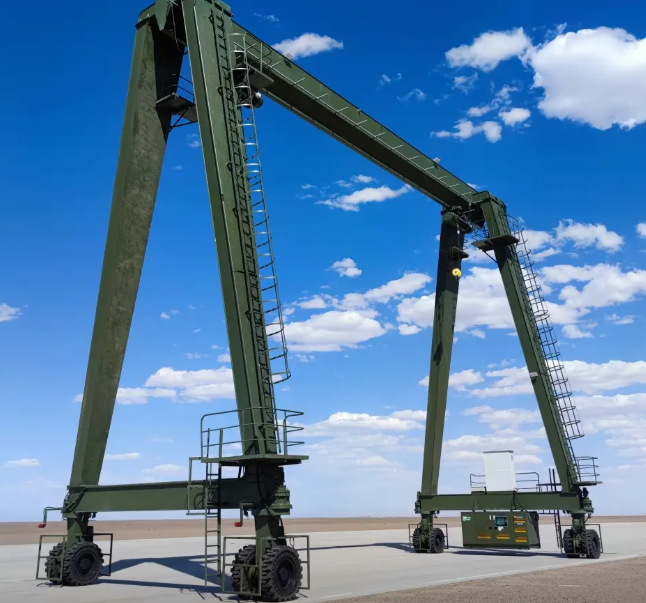
Environment and Operating Conditions: External Factors Affecting a Crane"s Lifting Capacity
A crane"s lifting capacity is not fixed; it is significantly influenced by the operating environment and working conditions that the crane encounters:
Foundation and Rail: Insufficient bearing capacity of the ground under a mobile crane"s outriggers, or sinking or tilting of an overhead crane"s rails, can drastically reduce the actual safe lifting capacity of the crane. In such cases, even if the crane itself is in good condition, the crane"s effective lifting capacity may not meet the required standards.
Lifting Attachments and Points: When a crane uses specialized attachments such as electromagnets or grabs, the weight of the attachment must be deducted from the crane"s rated load. When a crane performs asymmetrical lifts or uses an auxiliary hook, the rated lifting capacity for that crane must be recalculated; otherwise, the assessment of the crane"s lifting capacity will be inaccurate.
Wind Load and Gradient: For a crane operating outdoors, the crane must cease work when wind speeds exceed specified limits (typically above Beaufort force 6). Under these conditions, the environment has exceeded the design lifting capacity boundaries of the crane.
Ignoring environmental factors and relying solely on nameplate data to determine a crane"s lifting capacity can easily lead to accidents involving the crane.
Conclusion
Determining whether a crane"s lifting capacity meets the required standards is a comprehensive assessment process that integrates regulatory review, technical inspection, structural analysis, and on-site practical operation. A lapse in any single link may conceal potential risks. For special equipment, “meeting the standards” is not merely a matter of satisfying numerical values; it is a responsibility for the safety of life and property. Enterprises should establish systems for periodic statutory inspection and routine daily checks to ensure that every crane always operates within its true and reliable lifting capacity. This is the fundamental guarantee for safe production.