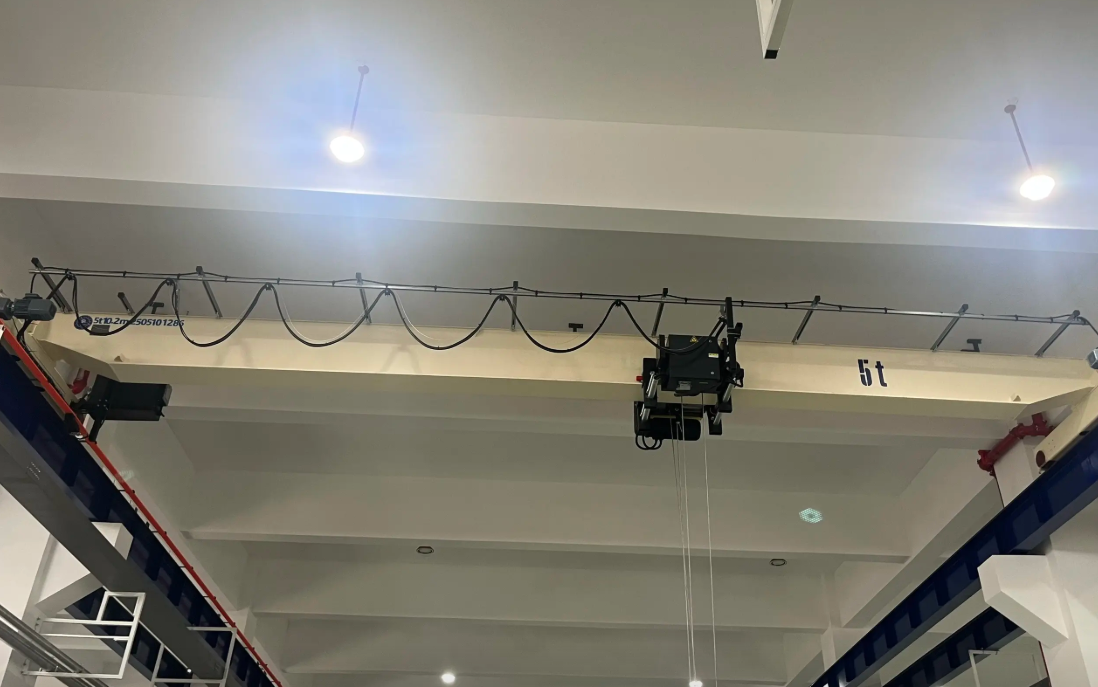
European Single-Girder Overhead Crane Operation: How to Effectively Avoid the Risks of Slinging and Side-Loading
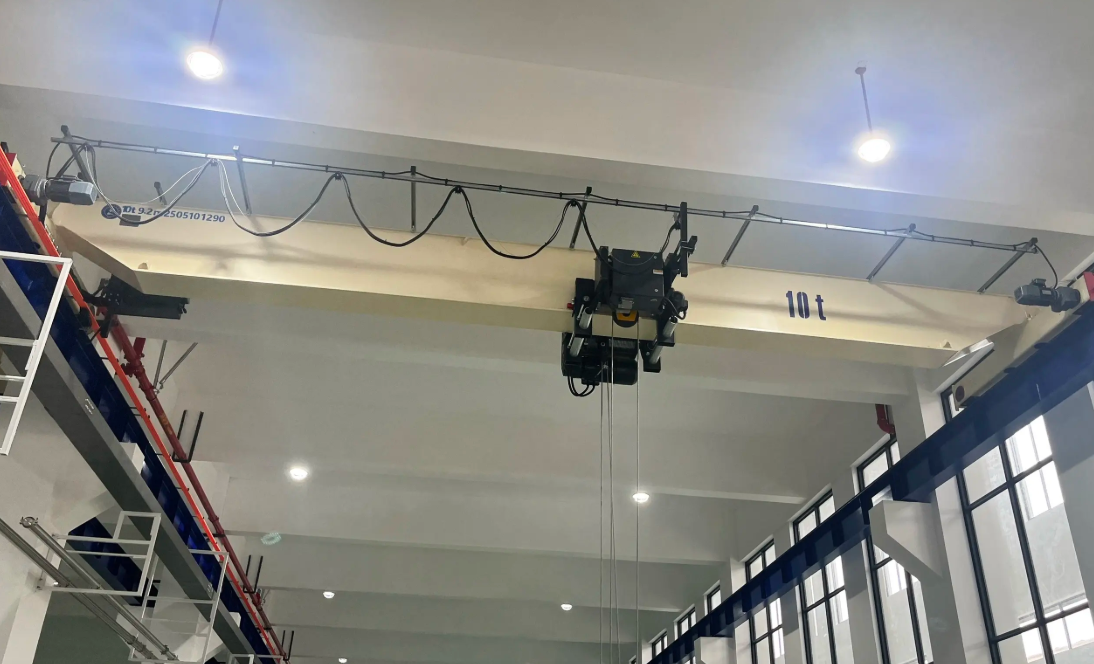
Slinging and side-loading are among the primary safety hazards in overhead crane operations, potentially leading to equipment damage, load drops, and even personnel injuries. For compactly designed European single-girder overhead cranes and common single-girder overhead cranes, their resistance to lateral forces is relatively limited, making preventive measures particularly critical. The following outlines key methods to avoid these risks in a structured manner.
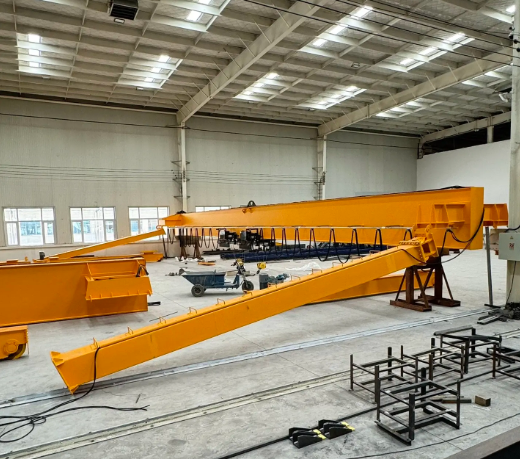
Main Causes of Slinging and Side-Loading
When operating a European single-girder overhead crane or any single-girder overhead crane, slinging and side-loading are typically caused by:
Improper Operation: Pulling the load diagonally, or sudden hoisting or braking.
Incorrect Load Handling: Miscalculating the center of gravity, improper sling selection, or incorrect rigging methods.
Environmental Factors: Uneven runway rails, the presence of obstacles, or strong outdoor winds.
Equipment Condition: Worn wheels, or non-synchronous drive on both sides.
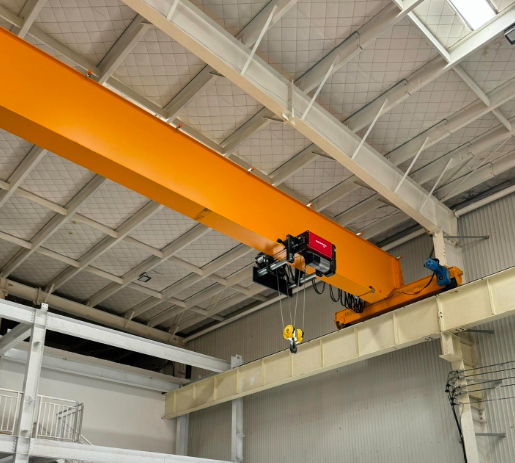
Core Preventive Measures (Detailed Breakdown)
Strengthen Personnel Training and Standardize Operations
Professional Certification: Ensure all personnel operating an overhead crane have undergone systematic training and hold valid qualifications.
Standardized Movements: Strictly adhere to the principle of "lifting vertically and landing over the spot." Dragging, pulling, or lifting loads at an angle is prohibited.
Smooth Operation: Operate the European single-girder overhead crane with smooth starts, constant travel speed, and gentle final positioning to avoid sudden stops/starts that cause load swing.
Implement Strict Pre-Lift Inspections
Load Assessment: Accurately estimate the load's weight, shape, and center of gravity. Overloading a single-girder overhead crane is strictly forbidden.
Sling/Hardware Inspection: Ensure slings, wire ropes, and hooks show no signs of wear or deformation. Use rigging equipment suited for the specific load.
Environment Verification: Clear obstacles from the travel path. Check that the overhead crane runway rails are clean and level.
Focus on Regular Equipment Maintenance and Inspection
Scheduled Maintenance: Perform regular maintenance on mechanical (e.g., wheels, wire ropes) and electrical systems of the European single-girder overhead crane according to the manufacturer's guidelines.
Key Inspection Points: Focus on checking the synchronization of the bridge (long travel) and trolley (cross travel) movements, as well as the integrity of the main girder and end truck connections to ensure the overall rigidity of the single-girder overhead crane.
Utilize Technical Aids for Anti-Sway Control
Employ Advanced Control Systems: Modern European single-girder overhead cranes are often equipped with automatic anti-sway control systems, which effectively suppress load swing.
Install Safety Devices: Consider adding overload limiters, inclination alarms, and other safety devices to provide an additional safety barrier for the overhead crane.
Automation Upgrades: For frequent, repetitive lifting tasks, automation or remote control operation can be adopted to reduce human operational error.
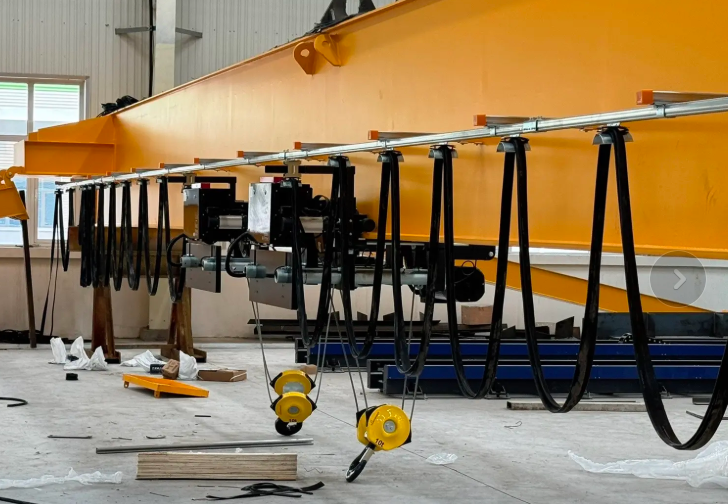
Summary of Key Safe Operating Procedures
Before Operation: Confirm the overhead crane is in normal condition, the load is rigged and balanced, and the environment is safe.
During Operation: Maintain vertical lifting and lowering of the load, keep the load in sight, stay focused, and operate the single-girder overhead crane smoothly.
After Operation: Park the European single-girder overhead crane at the designated location, secure all loads, and perform a basic shift-handover inspection.
Conclusion
Avoiding the risks of slinging and side-loading fundamentally involves a combination of management, technology, and human factors. By standardizing the operation of single-girder overhead cranes, adhering to strict equipment maintenance, and actively adopting the advanced technologies available in European single-girder overhead cranes, the safety of overhead crane operations can be significantly enhanced. This ensures the smooth flow of production processes and the safety of both personnel and equipment.