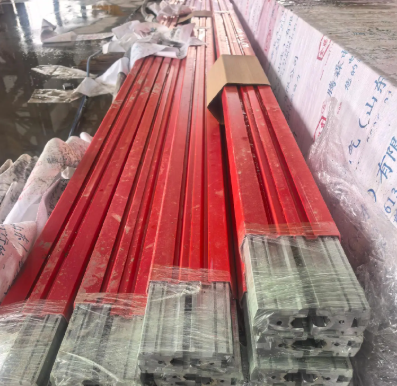
Diagnosis and Treatment Guide for Conductive Faults in Bridge Crane Conductor Rails
The bridge crane is a crucial material handling equipment in industrial production, with its mobile power supply core being the bridge crane conductor rail. The conductive performance of the conductor rail system directly affects the operational stability and safety of the entire bridge crane. When conductive faults occur, they must be addressed promptly and accurately. The following are detailed diagnostic and treatment steps.
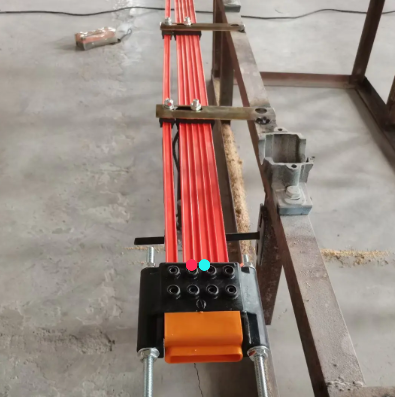
Fault Diagnosis and Identification
Observe Symptoms: When a bridge crane exhibits jerky movement, electrical sparks, flickering power indicator lights, or a complete loss of power, issues with the conductor rail system should be suspected first.
Visual Inspection:
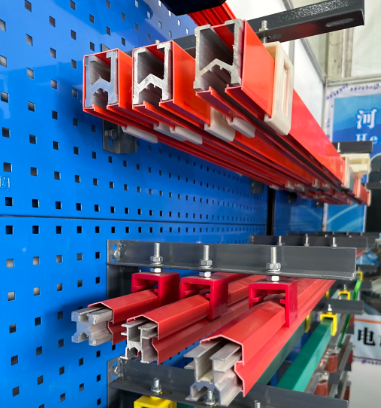
Inspect the Conductor Rail: Check the conductive surface of the conductor rail for significant dust accumulation, oil contamination, oxidation layers, or arc burn marks.
Inspect the Collector (Current Collector/Carbon Brush): Check whether the collector's carbon brushes are excessively worn, have insufficient pressure, or have uneven contact surfaces.
Inspect Insulation and Structure: Check the insulation supports of the conductor rail for damage or aging, and ensure all connection bolts are tight and the overall structure is secure.
Instrument Testing: With the power off, use a multimeter to measure the resistance between phases of the conductor rail. Abnormal increases in resistance indicate the fault location.
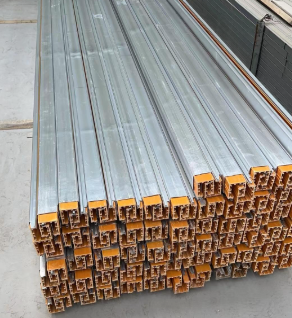
Common Fault Treatment Process
Safety Preparation
The main power supply to the bridge crane must be disconnected first, and a "Do Not Switch On" warning tag must be hung.
Ensure maintenance personnel wear insulated protective gear and set up a warning zone around the work area.
Cleaning and Maintenance
For poor contact caused by dust or grime, use dry compressed air and specialized electrical cleaning agents to thoroughly clean the conductive track surface of the bridge crane conductor rail.
Gently polish minor oxidation layers on the conductor surface using fine-grit sandpaper (preferably non-metallic), and clean again after polishing.
Replacement and Adjustment
Replace Collector Brushes: If the brush wear exceeds 2/3 of its original length, they must be replaced immediately as a set. Adjust the spring pressure to the specified value to ensure good contact.
Replace Damaged Conductor Rail Sections: For sections of the conductor rail where the conductor cross-section is severely reduced due to arc erosion or mechanical damage, the entire section should be replaced. When installing new conductor rail, ensure joints are flush and connections are tight.
Tightening and Alignment: Comprehensively inspect and tighten all insulation supports, connectors, and mounting bolts. Align the conductor rail for straightness and parallelism, ensuring the collector can pass through smoothly without obstruction.
Insulation Restoration
If cracks or damage are found in the insulation sheathing or supports of the bridge crane conductor rail, they should be replaced immediately. For minor localized damage to the conductor rail, insulation materials meeting safety standards can be used for reliable temporary repair, but this is only a provisional measure for the bridge crane system.
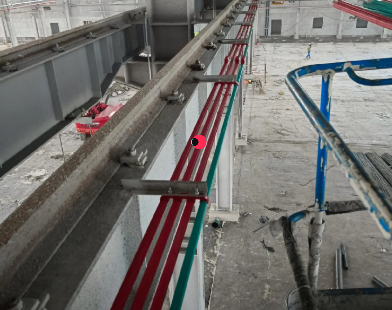
Preventive Maintenance Recommendations
Establish a Regular Inspection System: Include the bridge crane conductor rail in the equipment's daily inspection and periodic maintenance schedule. A comprehensive inspection is recommended at least once a month.
Maintain a Clean Environment: Strive to improve ventilation and dust control in the bridge crane's operating environment to reduce contamination of the conductor rail by dust and oil mist.
Maintain Maintenance Records: Record the date and details of each inspection, cleaning, and component replacement (e.g., collector brushes) to facilitate tracking of the conductor rail's wear cycle and implement predictive maintenance.
Operator Training: Train bridge crane operators to recognize early signs of faults (such as abnormal sparks or noises) so they can report them promptly, preventing minor issues from escalating into major failures.
Summary
The continuous power supply for a bridge crane heavily depends on the integrity of its conductor rail system. Through systematic diagnosis, standardized treatment, and proactive preventive maintenance, conductive faults in the bridge crane conductor rail can be effectively managed. This significantly improves the operational readiness rate and safety of the bridge crane, ensuring smooth production processes.