
Comprehensive Analysis of the Impact of Overhead Cranes on the Load-Bearing Capacity of Industrial Building Roof Trusses
Introduction
In modern industrial production, material handling systems are a crucial link in ensuring production efficiency. Among these, the overhead crane, as an important lifting device inside workshops, has its operational safety directly related to the safety and stability of the entire production environment. The installation and use of an overhead crane impose special load-bearing requirements on the roof truss structure of the factory building. These requirements must be given full attention and scientifically evaluated.
Structural Characteristics and Operational Features of Overhead Cranes
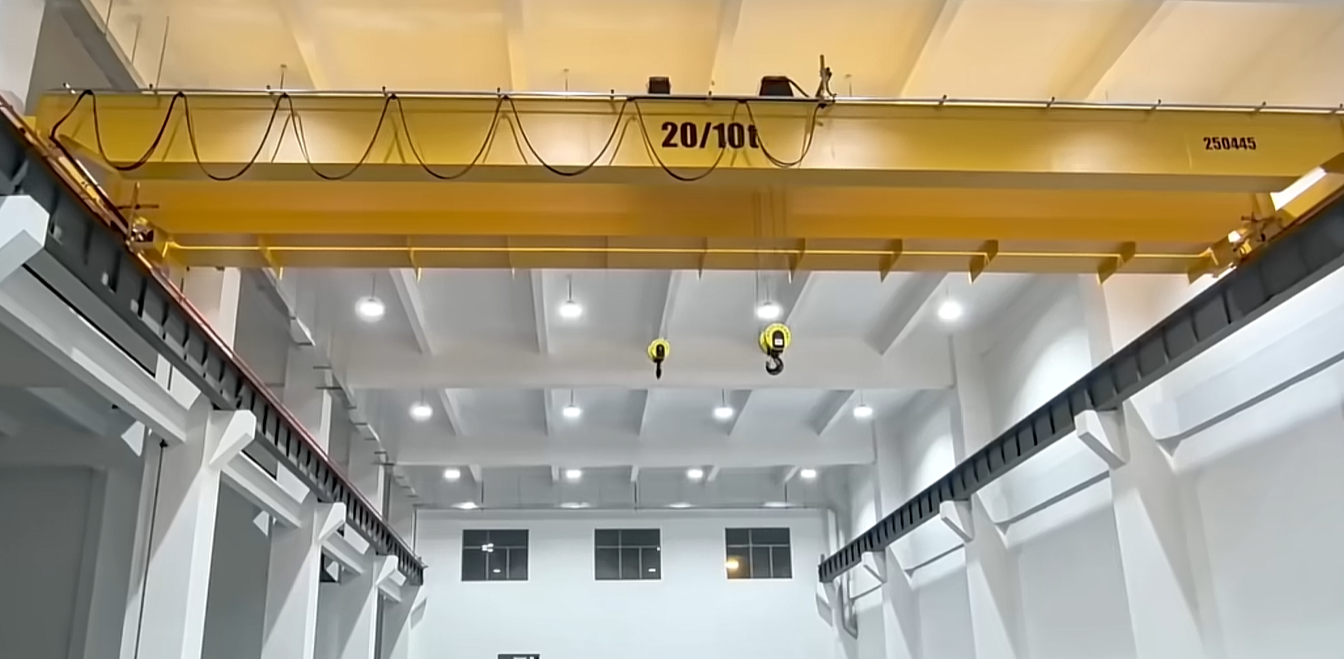
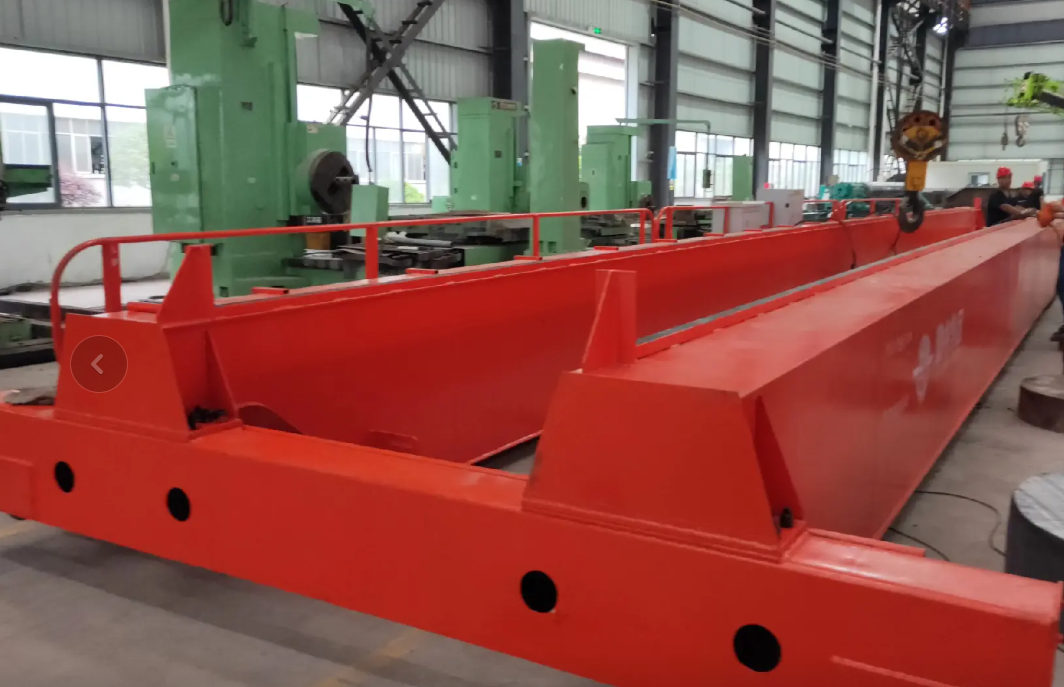
An overhead crane is a type of lifting machinery that spans across the top of a factory building. Its bridge travels along rails mounted on runway beams located below the roof truss. This structural characteristic determines that the weight of the crane itself and the hoisted loads are directly applied to the factory building's roof truss system. Unlike other lifting equipment, the dynamic loads, impact loads, and eccentric loads generated during the operation of an overhead crane have a more complex and enduring impact on the supporting structure.
Key Considerations for the Load-Bearing Capacity of Factory Roof Trusses
When supporting an overhead crane, a factory roof truss must consider the following aspects:
Combined Action of Static and Dynamic Loads: The roof truss must withstand not only the static load of the crane's self-weight but also the dynamic effects from hoisting materials. According to industrial building codes, the dynamic factor for a crane is typically between 1.1 and 1.3. This means the actual design load must be increased by 10% to 30% compared to the static load.
Fatigue Life and Durability: The cyclic loads generated by frequent crane operation lead to fatigue issues in the roof truss structure. Research indicates that under working conditions with a crane duty class of A6 (heavy-duty operation), the fatigue life of roof truss connection joints may be reduced by 20% to 40%.
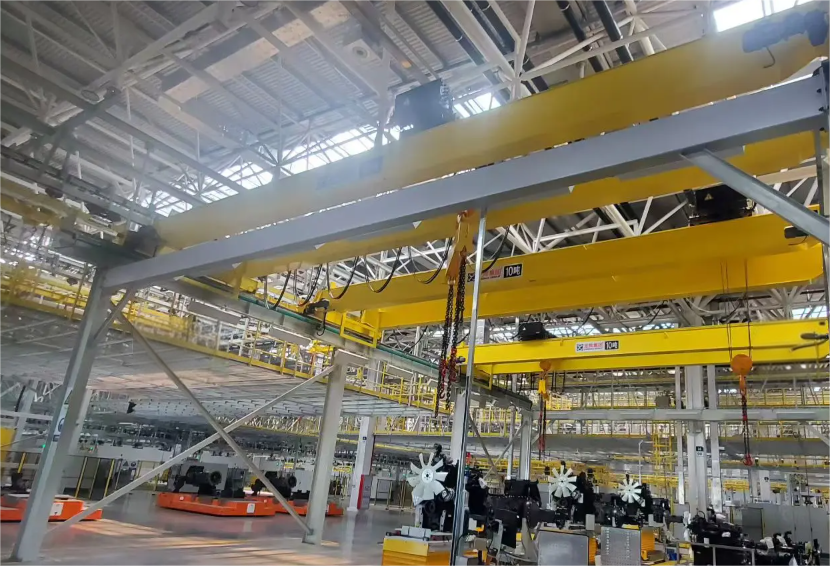
Local Stress Concentration: Significant local stress concentration occurs at the crane rail support points. The steel thickness, connection methods, and reinforcement measures in these areas require special design.
Load-Bearing Capacity Calculation and Safety Assessment
Engineering design typically employs the following methods to assess the load-bearing capacity for overhead cranes:
Limit State Design Method: Considers both the ultimate limit state and the serviceability limit state to comprehensively evaluate the safety of the roof truss under crane loads.
Dynamic Response Analysis: Uses finite element analysis to simulate vibration characteristics during crane operation and assess the dynamic response of the roof truss.
Long-Term Monitoring and Inspection: Conducts regular inspections of existing factory roof trusses to evaluate performance degradation under long-term crane operation.
Structural Reinforcement Strategies Prior to Crane Installation
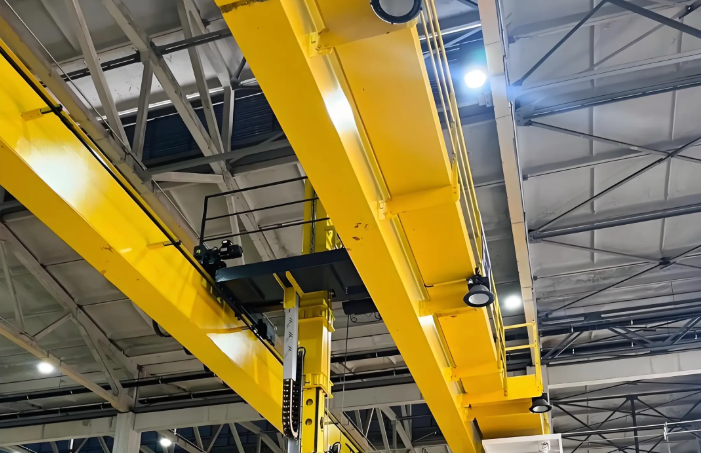
Before installing an overhead crane, common roof truss reinforcement includes:
Strengthening support beams for the crane rails.
Reinforcing critical joints in the roof truss.
Optimizing the support system for crane loads.
Importance of Maintenance and Monitoring Systems
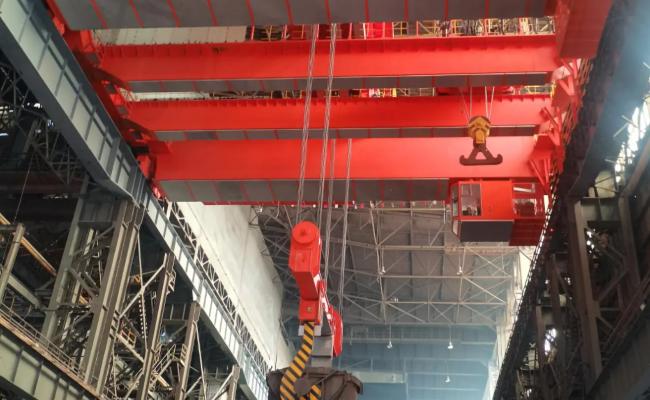
Establishing a comprehensive crane maintenance and roof truss monitoring system is essential. This includes:
Regularly inspecting the straightness and fixation of the crane rails.
Monitoring stress changes at critical points of the roof truss.
Checking for loosening and deformation at roof truss connection joints.
Maintaining records of load usage and structural inspection archives.
Conclusion
The interaction between an overhead crane and a roof truss is complex. Through careful design, assessment, and maintenance of the roof truss for the crane, both safety and longevity can be ensured. Adherence to standards balances productivity with the structural demands of the overhead crane.