
Common Faults of Hydraulic Crane: A Concise Guide
As essential equipment in construction, ports, and logistics, the hydraulic crane combines hydraulic power with mechanical structure. During prolonged use, hydraulic crane inevitably encounter various faults, among which hydraulic system failures are the most common and directly impact crane safety and efficiency. This article provides a systematic overview of these faults and their solutions.
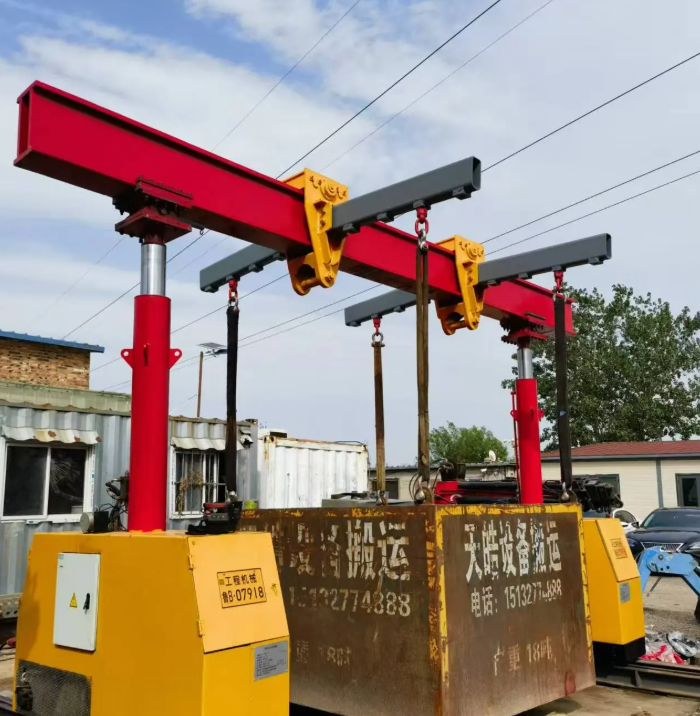
Overview and Fault Classification
A hydraulic crane relies on its hydraulic system to convert mechanical energy into hydraulic energy, enabling boom lifting, slewing, and hoisting. Faults in hydraulic crane fall into three categories: hydraulic system faults, mechanical structure faults, and electrical control faults. Hydraulic system issues account for over 60% of all failures in hydraulic crane, making their stability critical.
Common Hydraulic System Faults
Insufficient Pressure
When a hydraulic crane exhibits weak lifting or slow movement, the hydraulic system often suffers from insufficient pressure. Common causes include hydraulic pump wear, a stuck relief valve, clogged filters, or internal leakage in cylinders. For any hydraulic crane, pressure loss directly compromises lifting capacity and safety.
Excessive Oil Temperature
Continuous heavy loading can cause overheating in the hydraulic system. The oil temperature of a hydraulic crane should remain below 80°C. High temperature degrades oil viscosity and accelerates seal wear. Causes include improper oil grade, poor heat dissipation, or a blocked cooler. Regular cooling system checks are essential for every hydraulic crane.
Slow or Jerky Movement
If a hydraulic crane moves intermittently or slowly, the hydraulic system may have flow deficiency or air ingress. Worn pumps, improper valve settings, or internal leakage are typical culprits. Air in the hydraulic system causes “crawling,” which is especially noticeable in cold starts of a hydraulic crane.
Excessive Noise and Vibration
Abnormal noise from a hydraulic crane often signals hydraulic system trouble. Air suction causes whining; pump wear produces metallic knocking; loose piping leads to vibration. For any hydraulic crane, ignoring such signs may result in critical component failure.
Leakage
External leakage wastes oil and poses safety risks, while internal leakage reduces hydraulic crane efficiency without visible signs. Both types require prompt attention to maintain hydraulic system integrity.
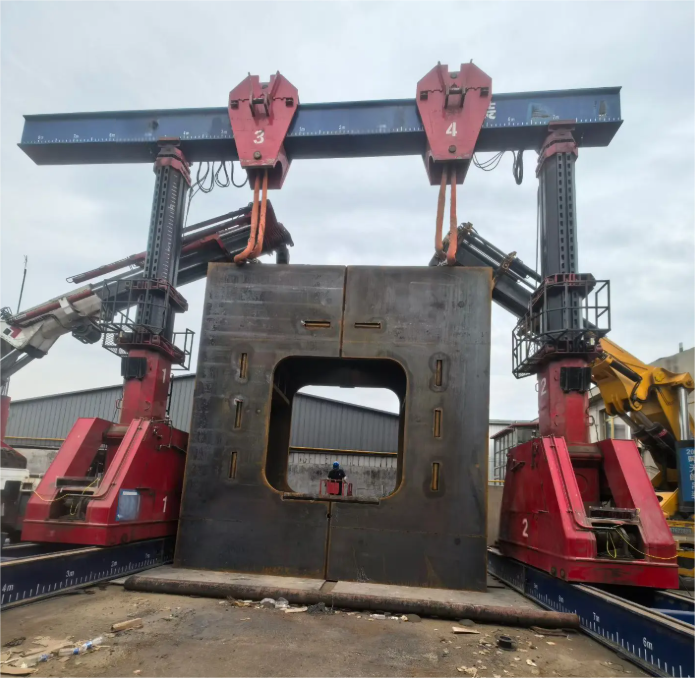
Mechanical and Electrical Faults
Beyond the hydraulic system, the crane as a whole faces other issues:
Structural and Slewing Faults
Crane structures under cyclic loading may develop fatigue cracks, especially at boom roots and outriggers. The slewing bearing—a key crane component—requires regular lubrication to avoid instability or seizure.
Electrical Control Faults
Modern hydraulic crane use electro-hydraulic control. Sensor failures, burned solenoid coils, or wiring issues can disrupt hydraulic system response. Electrical faults are often hidden and demand systematic diagnosis.
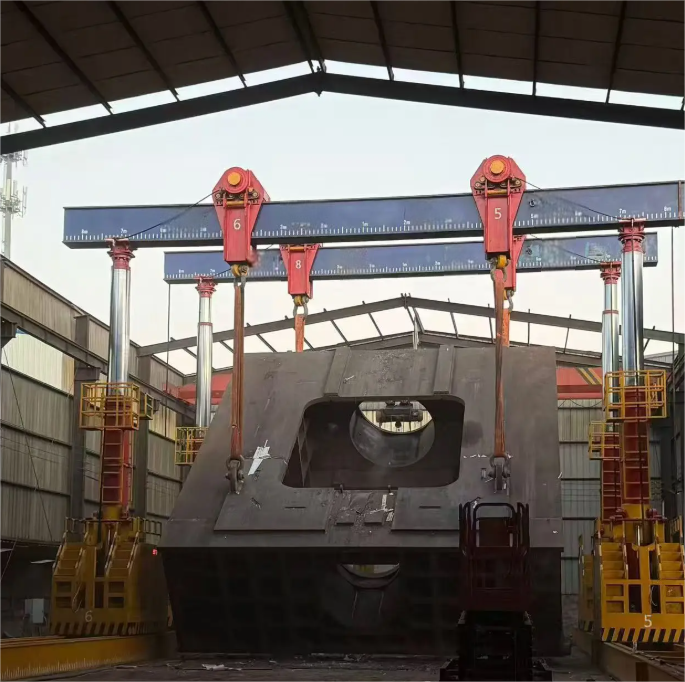
Diagnosis and Maintenance
Sensory Diagnosis
Experienced personnel use sight, sound, touch, and smell to quickly identify issues in a hydraulic crane. Observing oil color, listening for pump noise, feeling pipe temperatures, and detecting burnt odors are effective for daily crane inspections.
Instrument Testing
For complex faults, hydraulic testers measure pressure, flow, and temperature within the hydraulic system. Infrared cameras detect overheating, and multimeters trace electrical faults. Accurate testing ensures reliable hydraulic crane operation.
Preventive Maintenance
Reliability of a hydraulic crane depends on disciplined maintenance. Key practices include:
Maintaining hydraulic system cleanliness with regular oil and filter changes.
Inspecting all crane hydraulic connections for leaks.
Lubricating slewing bearings and pins as per crane manual schedules.
Keeping a fault log for each hydraulic crane.
Seasonal Care
In winter, use low‑viscosity hydraulic oil for easy hydraulic system start‑up. In summer, ensure hydraulic system coolers are clear to prevent overheating of the hydraulic crane.
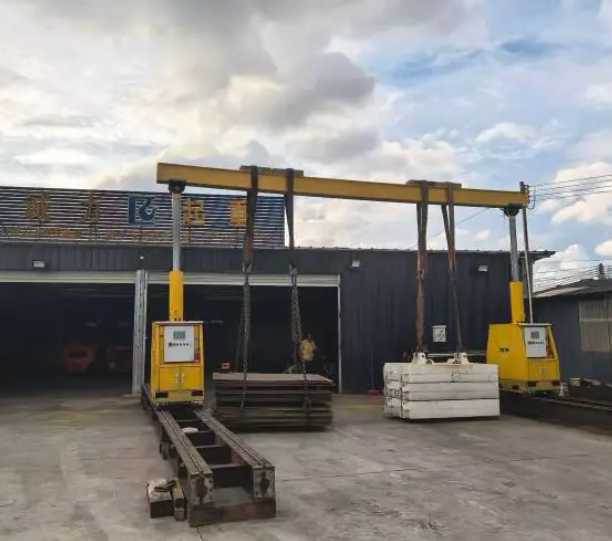
Typical Case and Emergency Response
In one case, a hydraulic crane could not lower its boom despite normal hydraulic system pressure. The cause was a blocked counterbalance valve pilot line. Cleaning the valve restored the hydraulic crane to function—highlighting how contaminants affect the hydraulic system.
During emergencies, if a hydraulic crane suffers massive oil leakage, stop operations immediately and secure the area. If the hydraulic system fails under load, use mechanical locks to safely lower the load before any crane repair.
Conclusion
The hydraulic crane integrates hydraulic, mechanical, and electrical systems, with hydraulic system faults being the most prevalent. However, the overall reliability of the crane also depends on structural and electrical health. By combining routine inspections, proper hydraulic oil management, and timely component replacement, operators can significantly reduce failure rates and ensure that the hydraulic crane remains safe and efficient across all applications.