
Analysis of the Industrial Applications of Explosion-Proof Gantry Cranes: A Key Lifting Tool for Protecting High-Risk Scenarios
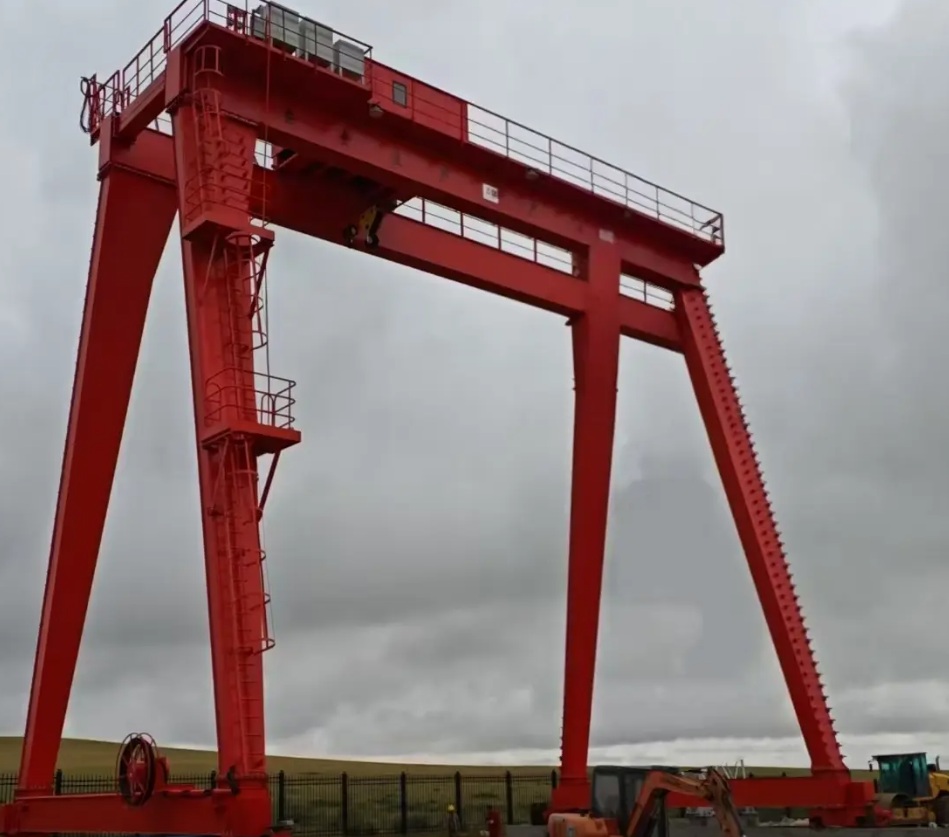
In industrial production, hoisting equipment is the core equipment for material transfer and production promotion. As the main force for hoisting operations in open-air and large-scale venues, gantry cranes are widely used in various heavy industry fields due to their advantages of large span, high load-bearing capacity and flexible movement. The explosion-proof gantry crane is a special equipment optimized for explosion-proof operations. It avoids hidden dangers such as sparks and high temperatures through special explosion-proof design, adapts to high-risk scenarios, and becomes a safety guarantee for many key industries. The applicable industries and application scenarios are specifically analyzed below:
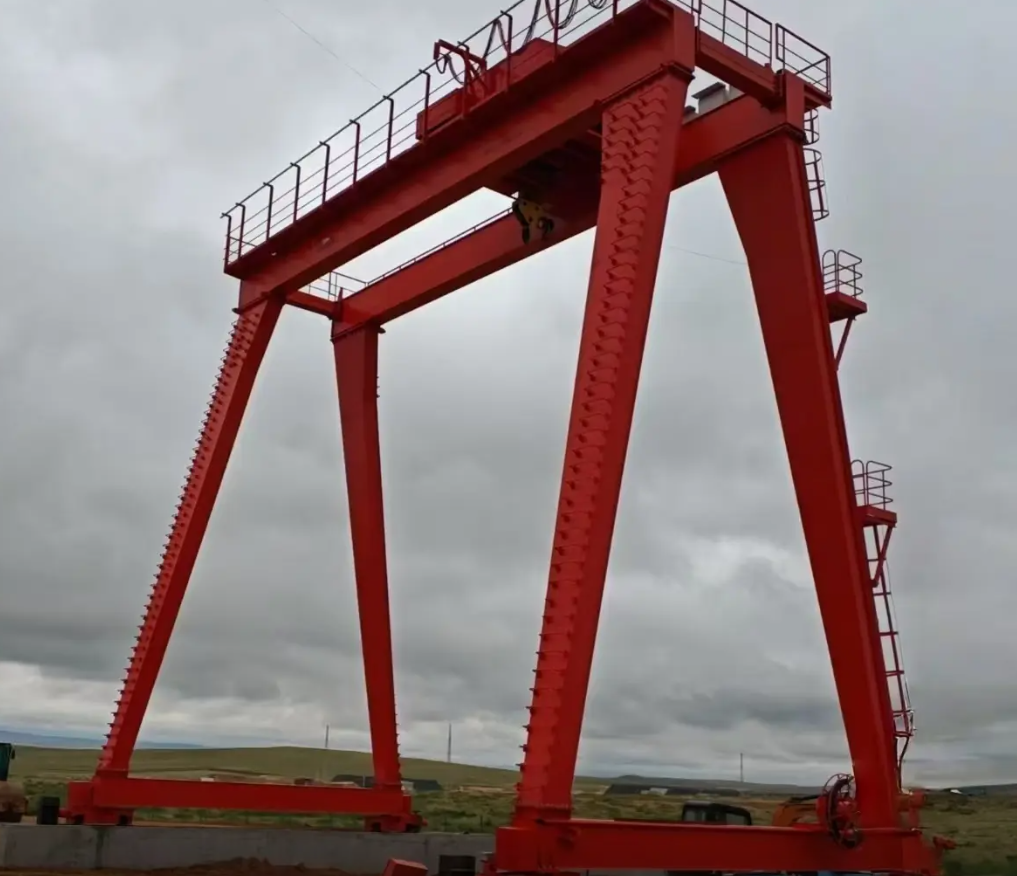
Petroleum and Chemical Industry (Core Application Field)
The petroleum and chemical industry is the industry with the most urgent demand for explosion-proof operations. The entire production process involves flammable and explosive gases or liquids such as gasoline, diesel and methanol, which belongs to a typical explosive gas environment. The safety hazard of ordinary gantry cranes is great, so explosion-proof gantry cranes have become a rigid demand.
The main application scenarios include: the installation, maintenance and hoisting of heavy equipment such as reactors, storage tanks and heat exchangers in refinery workshops; the transfer of tanks and the loading and unloading of oil pipelines, valves and other components in oil depots and liquefied gas stations. Explosion-proof gantry cranes replace ordinary gantry cranes, eliminate spark hazards from the source, and ensure safe and stable production. According to statistics, with the expansion of coastal petrochemical bases, the ownership of explosion-proof gantry cranes in this industry increases by 17% annually, becoming an indispensable hoisting equipment.
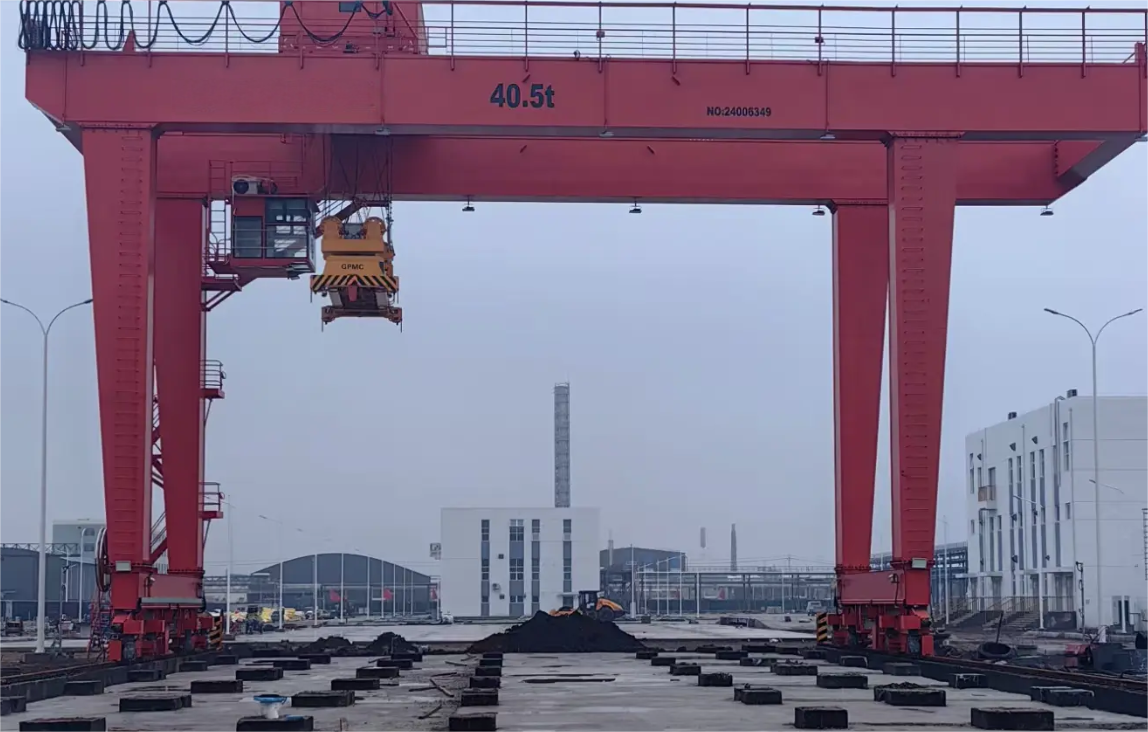
Mining and Coal Processing Industry
The core of explosion-proof operations in this industry is concentrated in the field of dust explosion prevention. A large amount of coal dust generated during mining, coal washing and storage is prone to dust explosion when the concentration reaches the explosion limit and encounters an ignition source, which places extremely high requirements on the explosion-proof performance of hoisting equipment.
The main application scenarios include: the hoisting and maintenance of heavy screening equipment, conveyor rollers and crushers in coal preparation plants on the ground of coal mines; the transfer of mining equipment around the explosive warehouses of metal mines. Explosion-proof gantry cranes not only avoid sparks generated by the operation of ordinary gantry cranes igniting dust, but also adapt to the transfer of heavy materials with strong load-bearing capacity, taking into account both efficiency and safety.
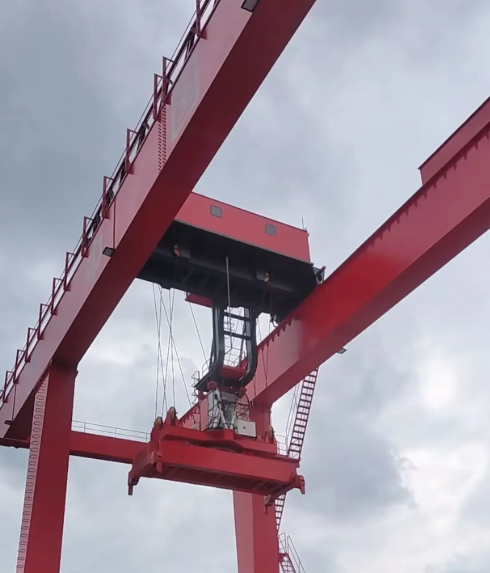
Military Industry
In the special production scenarios of the military industry, the production, storage and transfer of ammunition involve various flammable and explosive materials. The operating environment has extremely high standards for the explosion-proof performance of equipment, and no potential spark hazards are allowed. The demand for explosion-proof gantry cranes is particularly urgent, and explosion-proof operations are the core requirement of hoisting operations in this industry.
The main application scenarios include: ammunition transfer, hoisting of heavy military equipment and other tasks in ammunition warehouses and production workshops. With strict explosion-proof design, explosion-proof gantry cranes replace ordinary gantry cranes to avoid safety risks, ensure the smooth progress of military production, and comply with the strict national norms for production safety in the military industry.
Ports and Terminals (Explosion-Proof Operation Areas)
With the development of port petrochemical and dangerous goods transportation business, some ports and terminals need to handle flammable and explosive dangerous goods containers, liquid storage tanks and other goods. Such areas are explosive environments, and ordinary gantry cranes cannot meet the operation requirements, so explosion-proof gantry cranes have become important equipment.
The main application scenarios include: loading, unloading, stacking and transfer of dangerous goods. Its explosion-proof structure can effectively cope with the risks of flammable gases and dust in open-air environments, and at the same time take into account the efficient operation advantages of gantry cranes, ensuring the safe and efficient transfer of dangerous goods at ports, and filling the safety gap of large-span rail-mounted equipment in open-air explosive environments.
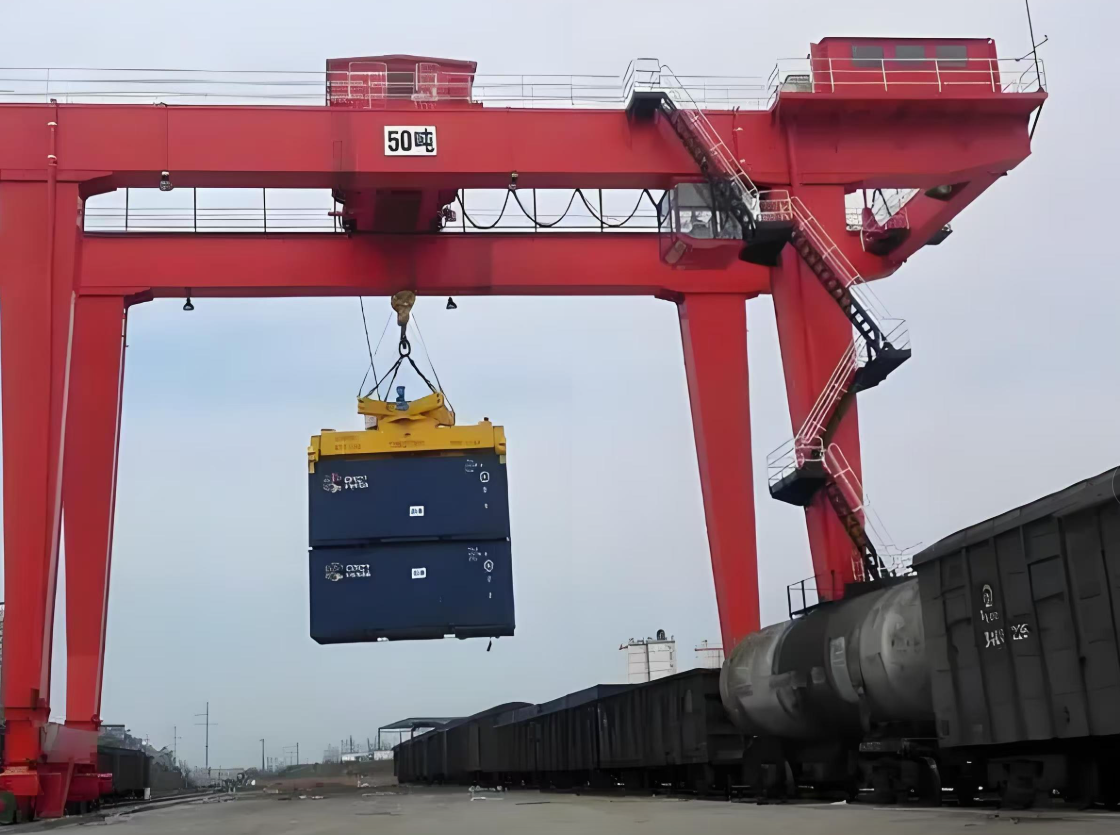
Other Related Industries
In addition to the above core industries, special links in industries such as metallurgy and medicine are also inseparable from explosion-proof gantry cranes, and the demand for explosion-proof operations is also prominent:
Metallurgical industry: Flammable and explosive coal gas and dust will be generated in the smelting and casting links. Explosion-proof gantry cranes are used for the hoisting and maintenance of heavy metallurgical equipment, adapting to high-temperature and flammable and explosive operating environments;
Pharmaceutical industry: Flammable and explosive solvents are used in the production of some APIs. explosion-proof gantry cranes can safely complete tasks such as material transfer and equipment maintenance to ensure production safety.
Summary
Compared with ordinary gantry cranes, the core value of explosion-proof gantry cranes is to adapt to various high-risk explosion-proof operations scenarios. Through precise explosion-proof design, they break the application limitations of ordinary gantry cranes in flammable and explosive environments, and provide strong support for the safe production of many key industries. With the improvement of industry safety standards and the upgrading of explosion-proof technology, the application field of explosion-proof gantry cranes will be further expanded, becoming an important equipment to protect the safety of industrial production.