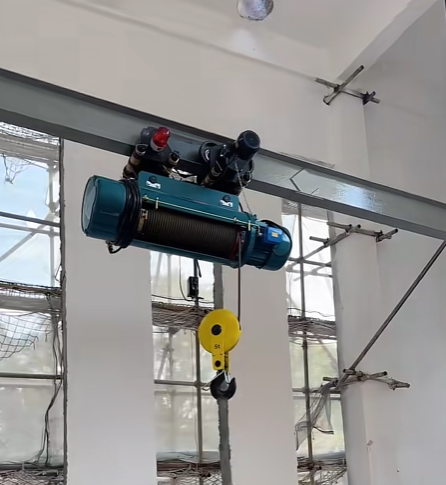
Operational Guidelines and Techniques for Cantilever Monorail Cranes
Within industrial material handling, the crane is a fundamental tool. This article focuses on the cantilever monorail crane, detailing its safe and efficient use. For context, comparisons will be made with the common bridge crane. Understanding the specific operation of a cantilever monorail crane is key to leveraging its unique capabilities.
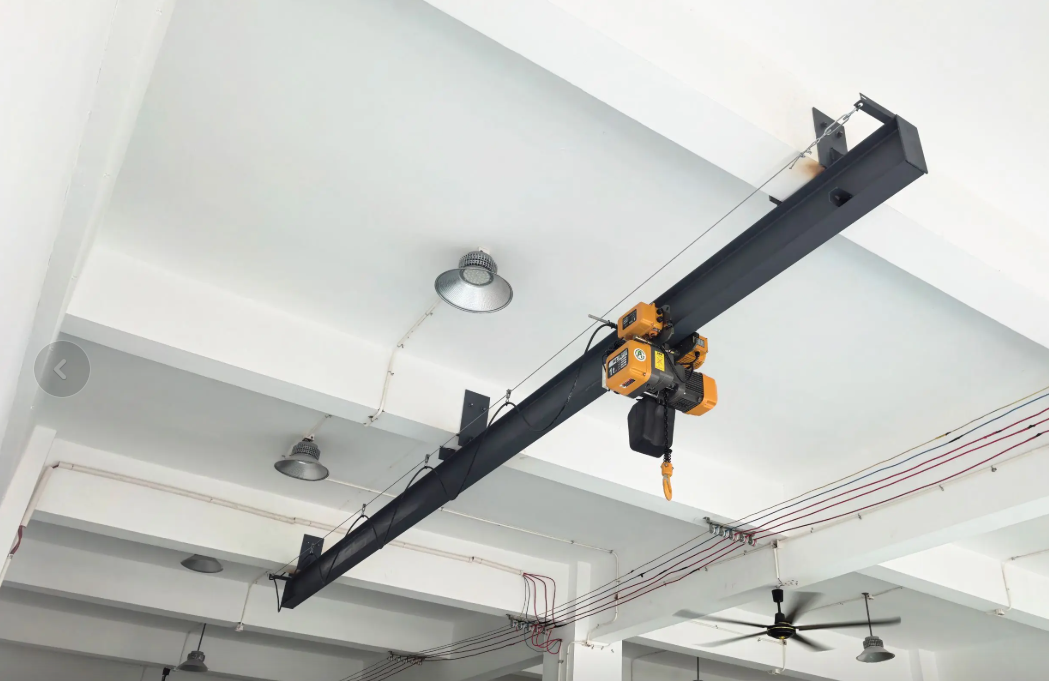
Key Operational Points for Cantilever Monorail Cranes
Comprehensive Pre-Operation Inspection
Before operation, a systematic inspection of the crane must be conducted: ensure the track is free from deformation and obstructions, check that the welded seams of the cantilever structure are crack-free, and verify that all connecting bolts are tight and secure. Additionally, inspect the electrical system, wire rope, and lifting attachments to ensure no abnormal wear or damage. Any crane should undergo such a safety check before being put into use.Strict Adherence to Load Limits
Each device is marked with its rated load capacity; overloading is strictly prohibited during operation. Compared to a bridge crane, which typically has a larger span and greater load-bearing capacity, the cantilever monorail crane is designed more for flexible handling in specific areas. Therefore, particular attention must be paid to its load range, and limits must not be exceeded.Smooth Lifting and Moving
Smooth operation prevents dangerous load swing. Start and stop movements gradually. The path of a cantilever monorail crane combines linear travel with rotation, requiring more path foresight than a standard bridge crane. Whether operating this crane or a bridge crane, smoothness ensures safety.Maintaining a Clear Field of Vision
The operator must keep the load in view. The rotating arm of a cantilever monorail crane can create blind spots not typically encountered with a bridge crane. If the load path isn't fully visible, use a trained signalperson, a standard practice for any crane operation.Safe Positioning and Emergency Response
The operator should always stand in a safe area, away from under the load. Be familiar with the location of emergency stop buttons and be able to immediately cut power in case of an emergency. All crane operators must master emergency procedures.
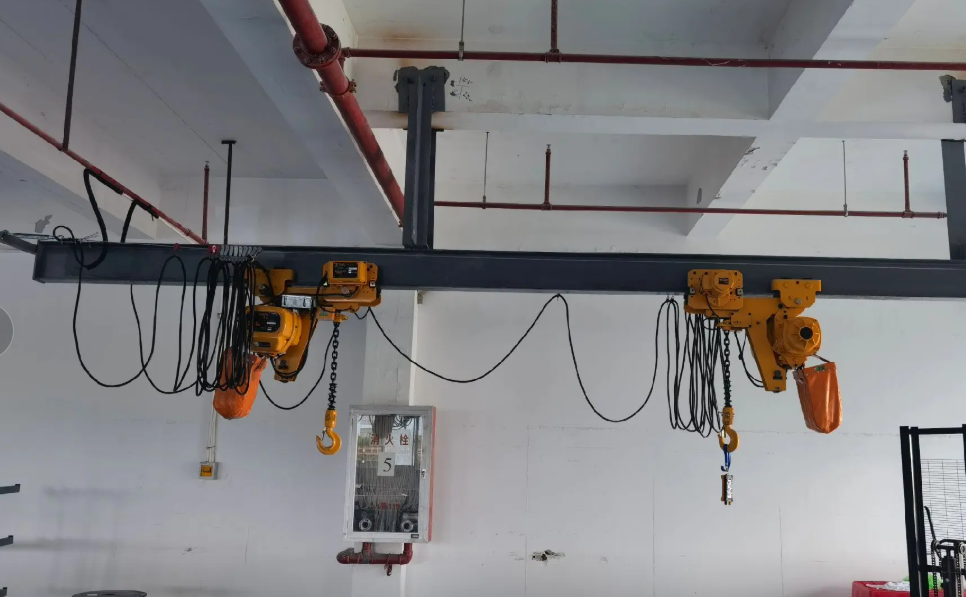
Practical Operational Techniques
"Inching" for Precise Positioning
For precise alignment, use the "inching" mode—short, intermittent activation of the motor to achieve millimeter-level movements. This technique is highly effective when installing equipment or positioning materials.Utilizing Pendulum Effect to Reduce Swing
When the load begins to swing, it can be countered by making slight movements in the opposite direction. This technique is similar to managing trolley sway when operating a bridge crane, but with cantilever equipment, additional consideration must be given to controlling swing in the rotational direction.Prioritize Path Planning
Plan the route before moving to avoid mid-air adjustments. The advantage of a cantilever monorail crane lies in its combination of linear and rotational movement; pre-planning maximizes this feature.Coping with Inclement Weather
The operator must keep the load in view. The rotating arm of a cantilever monorail crane can create blind spots not typically encountered with a bridge crane. If the load path isn't fully visible, use a trained signalperson, a standard practice for any crane operation.Communication for Collaborative Work
For multi-person operations, establish a clear command signal system. Unlike bridge crane operations, which often require a dedicated signaler, the cantilever equipment operator can usually observe directly but must still maintain clear communication with loading/unloading personnel.
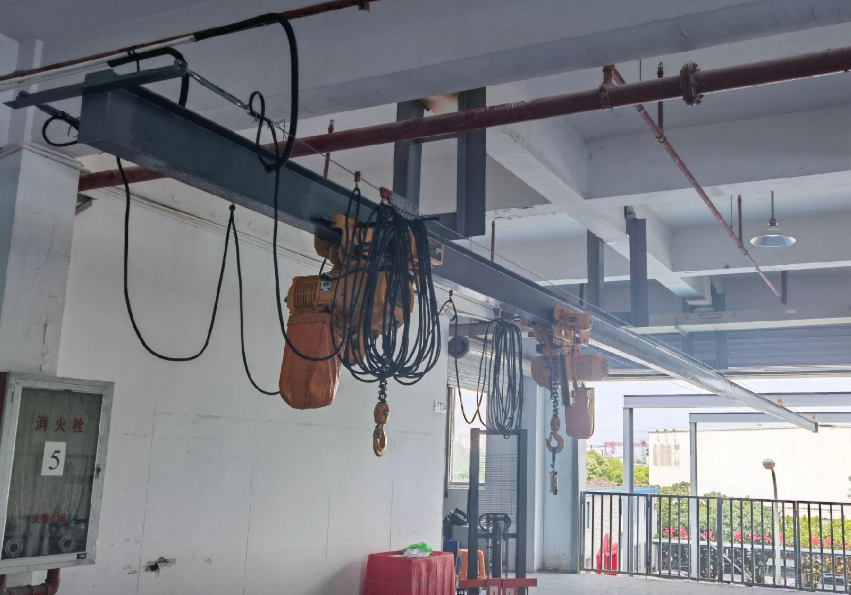
Noting Differences Between Cantilever and Bridge Cranes
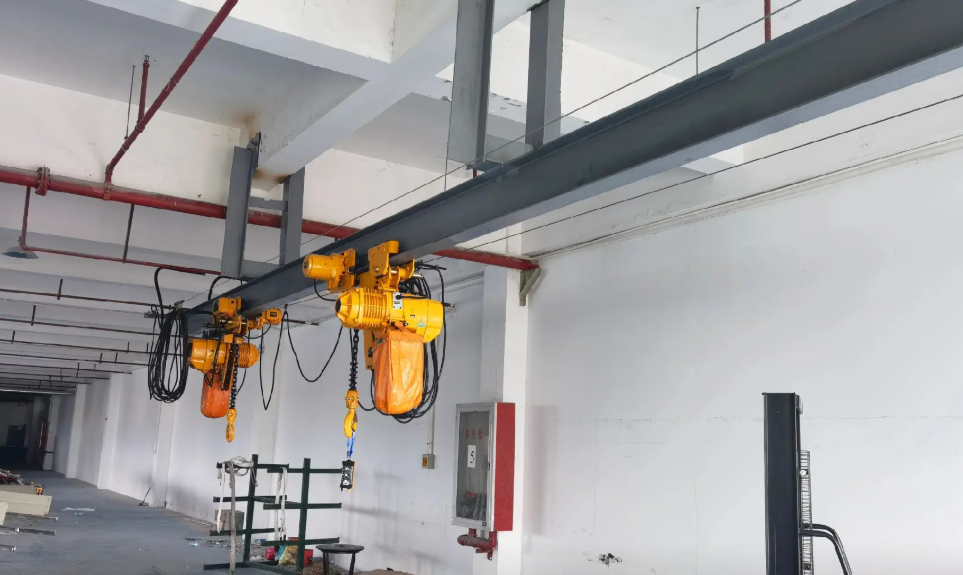
Although both are essential material handling devices, there are operational differences between cantilever monorail cranes and common bridge cranes. A bridge crane typically moves longitudinally and laterally along tracks in a workshop, covering a rectangular area. In contrast, cantilever equipment covers a fan-shaped area through the rotation and movement of its arm. This structural difference requires operators to be especially mindful of obstacles within the rotation radius to avoid collisions between the cantilever and other equipment or structures.
Conclusion
Mastering the cantilever monorail crane involves understanding its specific mechanics and adhering to universal crane safety principles. By applying these points and techniques, and recognizing when to use this crane versus a bridge crane, operators can ensure safe, productive, and optimized material handling. Every crane, from the versatile cantilever monorail crane to the powerhouse bridge crane, demands respect and skilled operation.