Forged Crane Wheels vs. Cast Crane Wheels: Six Key Differences Explained
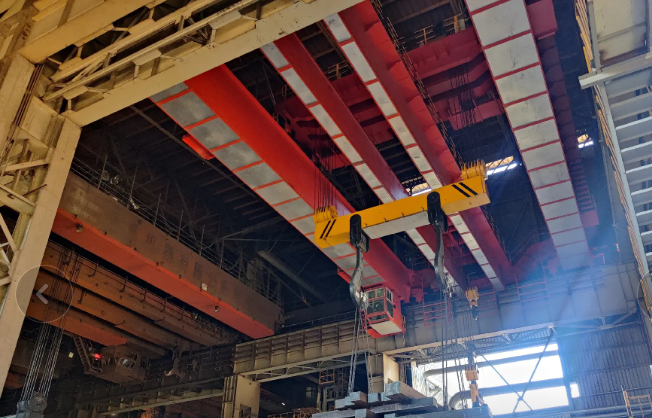
In the industrial field, Cranes play a crucial role, and their performance directly impacts production efficiency and operational safety. As a core component of a Crane, the manufacturing process of the wheels is particularly critical. Currently, there are two main types on the market: Forged Crane Wheels and Cast Crane Wheels. Each is based on a unique process technology and exhibits different performance characteristics. This article will delve into the differences between Forged Crane Wheels and Cast Crane Wheels from six key perspectives, aiming to provide practical reference for Crane users, maintenance personnel, and procurement decision-makers to help optimize Crane selection and usage.
Fundamental Differences in Manufacturing Process
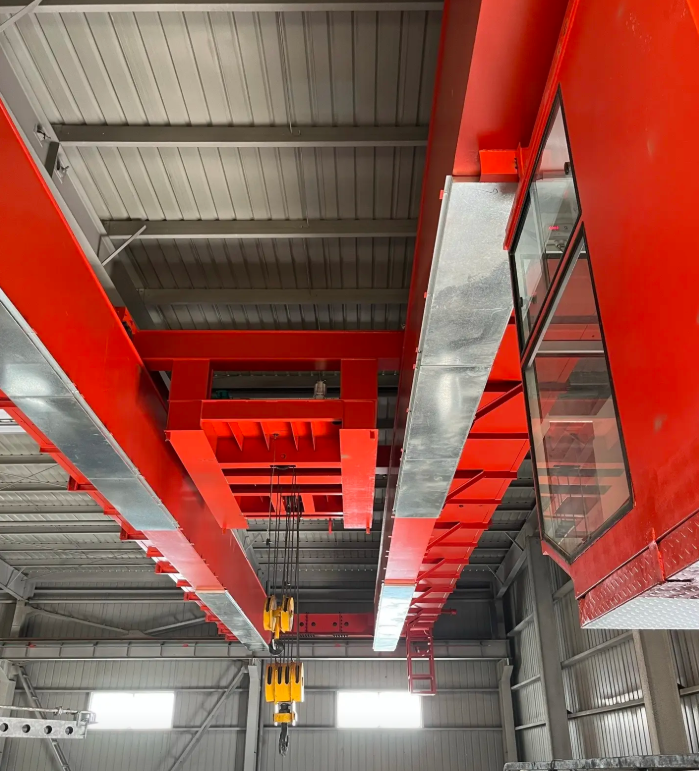
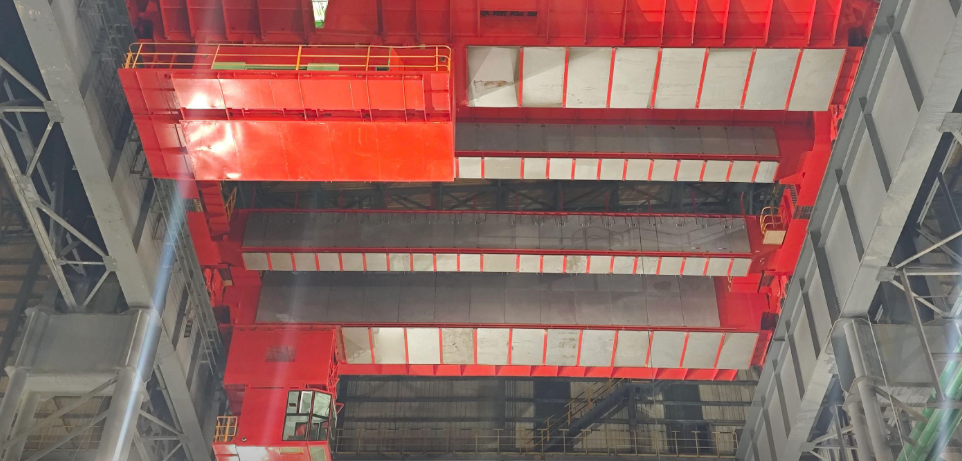
Forged Crane Wheels are manufactured using a forging process. This involves heating a metal billet to a high temperature and applying tremendous pressure to plastically deform it, forming a high-density wheel structure. This process not only increases material density but also refines the metal grain structure. In contrast, Cast Crane Wheels rely on a casting process, where molten metal is poured into a pre-made mold and takes shape after cooling and solidification. While casting is suitable for complex shapes, it can introduce defects such as pores and slag inclusions. Therefore, the forging process for Forged Crane Wheels focuses more on structural integrity, whereas the casting process for Cast Crane Wheels emphasizes shape formation. This directly affects the load-bearing capacity and durability of the Crane.
Significant Contrast in Material Properties
The material of Forged Crane Wheels undergoes deformation through forging, which aligns the grain flow with the direction of force, significantly enhancing the wheel's strength and toughness. This performance advantage makes Forged Crane Wheels excel in heavy-load and high-impact environments. Conversely, the material of Cast Crane Wheels may develop internal stress due to uneven shrinkage during cooling, resulting in relatively lower toughness. Although heat treatment can provide some improvement, overall, Forged Crane Wheels offer superior material uniformity and are more suitable for high-intensity Crane applications. Therefore, material properties are a key factor in evaluating wheel suitability when selecting a Crane.
Detailed Analysis of Internal Structure
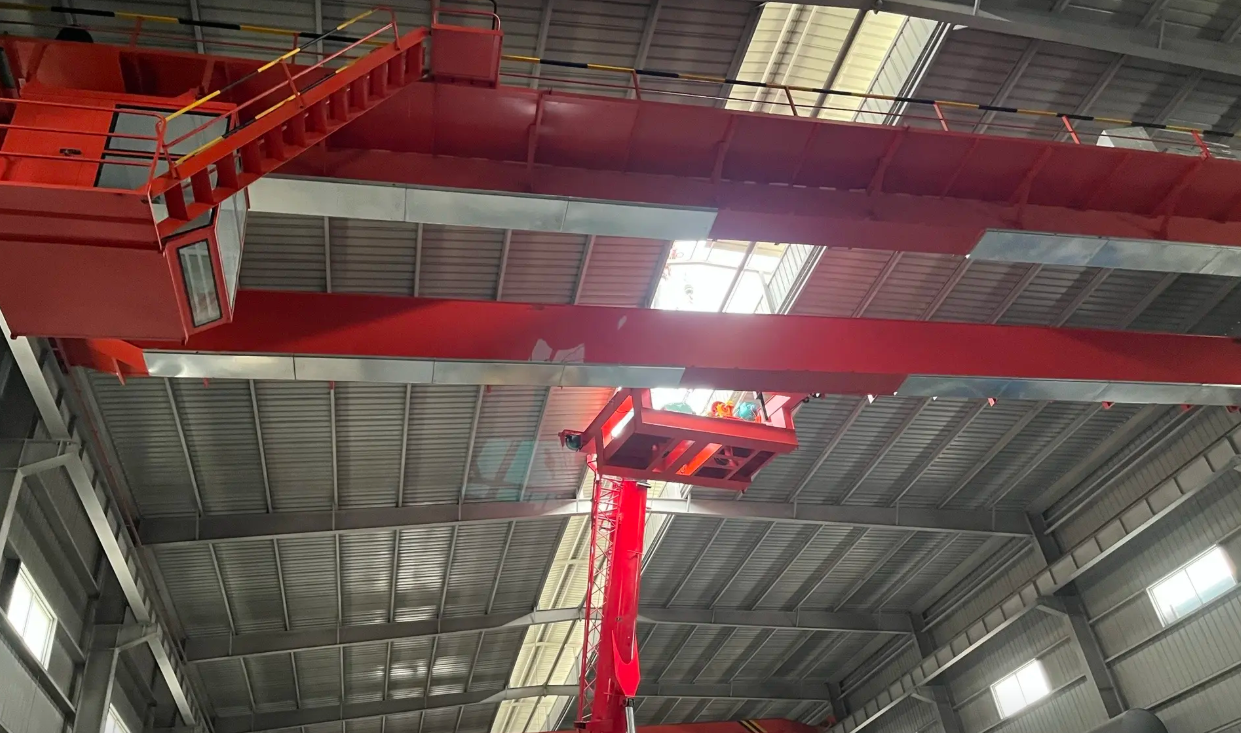
Forged Crane Wheels have a uniform and dense internal structure with minimal defects, thanks to the metal flow and compression during the forging process. This compact structure enhances the overall reliability of the wheel. The internal structure of Cast Crane Wheels, however, may contain casting defects such as shrinkage cavities and pores. Although subsequent machining can compensate, these may still affect long-term performance. The difference in internal structure is directly related to the fatigue resistance and fracture risk of Crane wheels, making Forged Crane Wheels the preferred choice for demanding operating conditions.
Practical Evaluation of Mechanical Strength
In terms of mechanical strength, Forged Crane Wheels demonstrate higher impact resistance and fatigue strength. They can withstand frequent heavy loads and high-speed operation, making them suitable for Cranes in heavy industries like ports and metallurgy. Cast Crane Wheels provide sufficient mechanical strength under static or light-load conditions but may be less adequate under dynamic loads. This distinction means that for Cranes requiring high reliability, Forged Crane Wheels are often the better choice, while Cast Crane Wheels are suitable for Crane scenarios with lighter loads.
Comparison of Service Life
Due to their dense structure and superior material, Forged Crane Wheels typically have a longer service life, with significantly better wear resistance and fatigue resistance compared to Cast Crane Wheels. This results in lower maintenance costs for Forged Crane Wheels over long-term operation. Cast Crane Wheels can also last under moderate use conditions, but their lifespan may shorten in harsh environments such as high temperature, high humidity, or corrosive conditions. Crane users need to weigh these factors based on actual working conditions to ensure the economic efficiency and durability of the Crane wheels.
Specific Differentiation of Application Scenarios
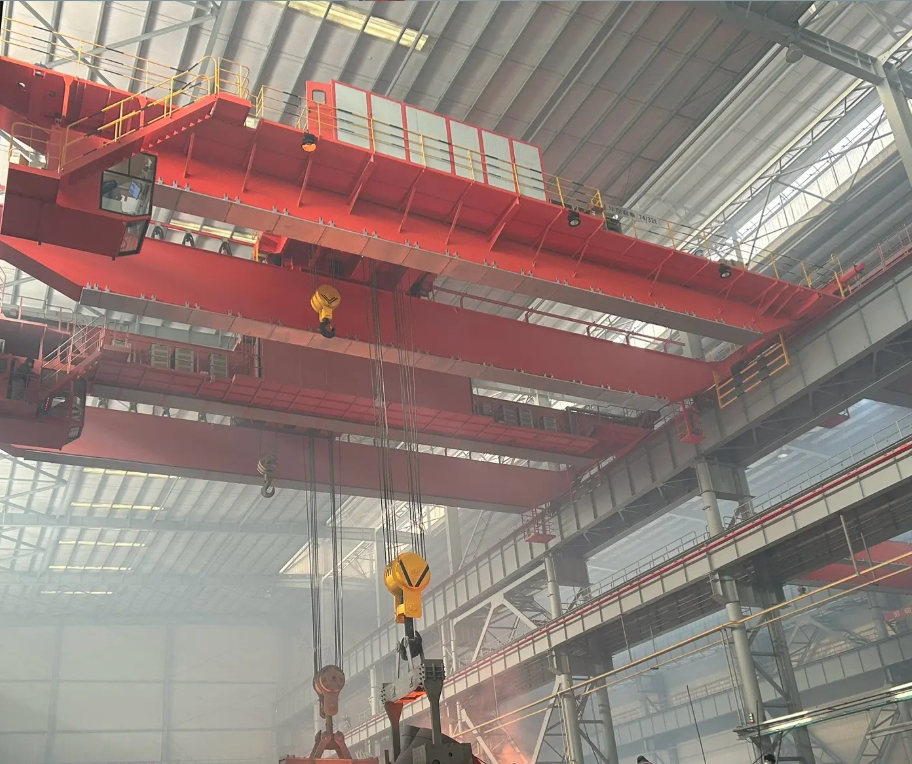
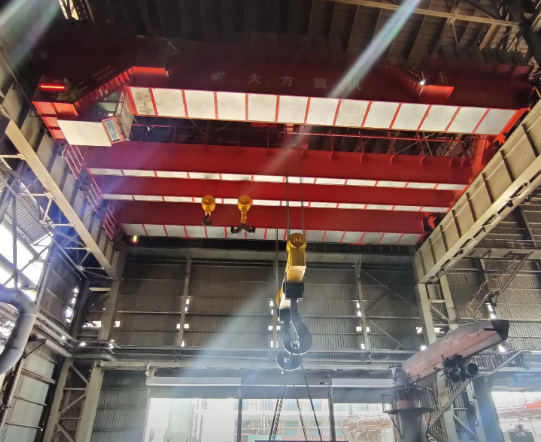
Forged Crane Wheels are mostly used in large Cranes, such as port Cranes and metallurgical Cranes, where heavy loads and high speeds place extremely high demands on wheel performance. Cast Crane Wheels are commonly found in medium and small Cranes in workshops and warehouses, offering economic practicality and meeting basic needs. The choice of application scenario directly affects the overall efficiency and safety of the Crane. Therefore, understanding the matching relationship between wheel type and Crane is essential.
Conclusion
Both Forged Crane Wheels and Cast Crane Wheels have their own advantages and disadvantages. The former excels in high performance and long life but comes at a higher cost; the latter focuses on economy and applicability, with slightly lower strength. When selecting a Crane, users should comprehensively consider factors such as workload, environmental conditions, and budget, prioritizing the wheel type that best matches their needs. Whether it's a Crane with forged or cast wheels, proper maintenance and regular inspections can extend the Crane's service life and enhance operational safety. By deeply understanding these six key differences, we can better optimize Crane performance and promote the sustainable development of industrial production.