The Art of Magnetic Control: How Electromagnetic Overhead Cranes Exemplify Three Fundamental Principles for Safe and Efficient Lifting
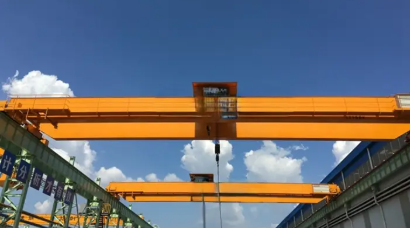
In modern factories, bustling port terminals, and large-scale steel enterprises, a unique type of lifting equipment is commonly seen—the electromagnetic overhead crane. Like a giant with a "magnetic hand," it silently yet powerfully grasps, precisely moves, and gently places tons of steel, scrap metal, or magnetic materials. Unlike a standard overhead crane that relies on mechanical grabs, the core secret of this crane lies in the powerful electromagnet beneath its hook. When energized, it instantly generates tremendous force to attract materials; when power is cut, the magnetism vanishes, releasing the load naturally. However, this seemingly effortless "heavy lifting" is not solely due to magnetic force. Its operation strictly adheres to three fundamental principles that ensure the safe and efficient functioning of this industrial lifeline.
The First Principle: Precision and Control in Hoisting are the Cornerstone of Safety
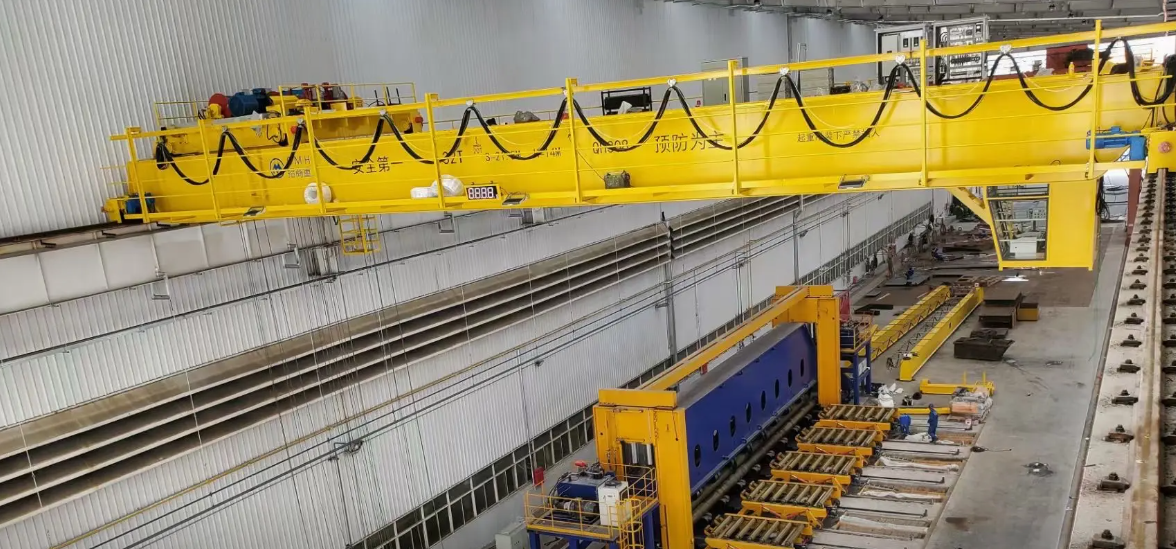
The lifting capacity of an electromagnetic overhead crane is astonishing, but safety is always the paramount concern for this crane. This is first reflected in the precise control of its entire "attract-transport-release" process. The magnetic force must be meticulously calculated for the crane—it must be sufficient to overcome the load weight, especially during dynamic operations, while avoiding damage. Operators of the crane need to accurately adjust the current to control magnetic strength based on the material. Simultaneously, as a specialized overhead crane, its bridge movement, trolley travel, and hook operation must be highly synchronized and smooth. This precise coordination is critical for any crane to prevent load detachment. Every successful lift is a dual test of this crane's electromagnetic response and its mechanical stability, defining the performance standard for a modern overhead crane.
The Second Principle: Reliable and Redundant Structure is the Prerequisite for Efficiency
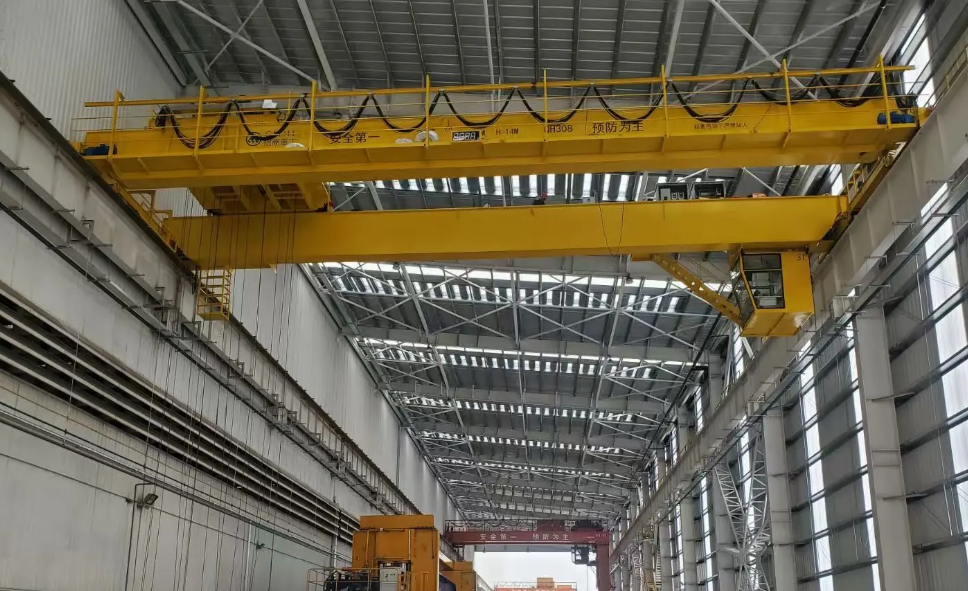
Efficiency is inseparable from reliability. As a member of the crane family, the electromagnetic overhead crane embodies this. The reliability of this crane is built upon dual safeguards. First is the inherent reliability of its core electromagnetic system. The magnet design requires effective heat dissipation to prevent demagnetization; the cable reel must ensure stable power supply to this overhead crane to avoid loss of magnetism. Second, the metal structure of this overhead crane—the main girder, end trucks, and travel mechanisms—must possess high rigidity and strength, a fundamental requirement for any overhead crane. "Redundant safety design" is the soul of a modern crane. For this overhead crane, examples include backup power to maintain magnetic force, and alarm devices that monitor its status. Without this robust "physique" and proactive system for the crane, high efficiency in this overhead crane is unattainable.
The Third Principle: Intelligent and Preventive Systems are the Hallmark of the Modern Crane
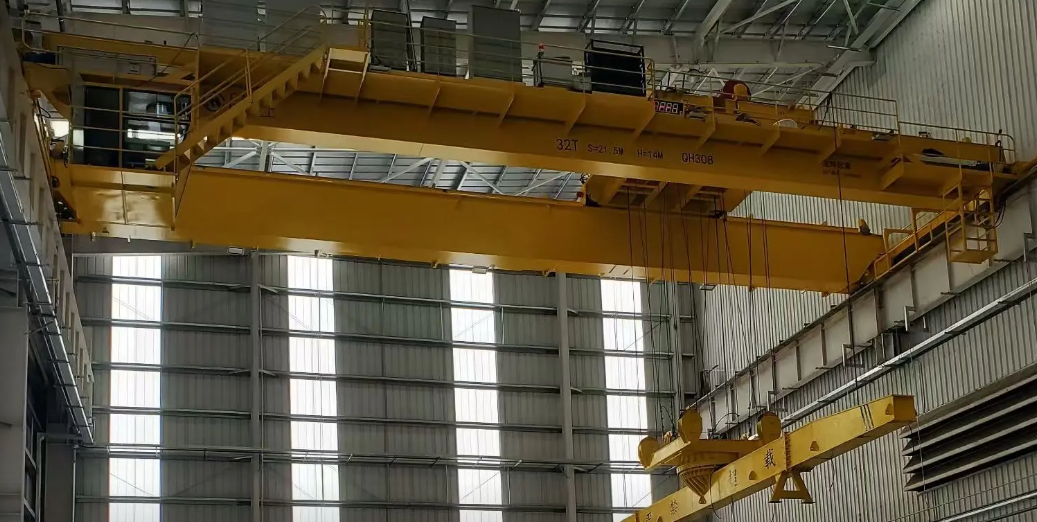
With technological advancement, the electromagnetic overhead crane is far more than a simple "magnet + crane." Intelligence and preventive maintenance constitute the modern third principle for this advanced crane. Advanced variable frequency speed control technology, now integral to high-performance cranes, enables exceptionally smooth travel and hoisting, significantly reducing the risk of load falling. Intelligent control systems on such a crane can automatically calculate and optimize adsorption parameters, even enabling a degree of automated path planning. Meanwhile, condition monitoring systems collect key data in real-time, using analytics to predict potential failures in the crane, shifting its maintenance paradigm from "reactive repair" to "preventive." This not only greatly enhances the efficiency and safety of this special overhead crane but also extends the lifespan and reduces the total cost of ownership for the crane.
Evolved from the traditional overhead crane, the electromagnetic overhead crane plays an irreplaceable role in specific fields due to its unique magnetic handling method. However, despite all changes, the core remains unchanged. The performance of this crane is always firmly rooted in the three fundamental principles: "Precision and Control," "Reliability and Redundancy," and "Intelligence and Prevention." Like the three vertices of a triangle, they jointly support the vast sky of safety and efficiency. In today's pursuit of intelligent and green industrial logistics, these principles will continue to guard every lift and descent of the electromagnetic crane, while also pointing a solid and clear direction for the development of even smarter lifting equipment in the future.