
Analysis of Structural Differences in Cranes of Different Tonnages
The structural differences among cranes of different tonnages revolve primarily around the design of load-bearing components and the adaptation to stress characteristics. The following provides a clear explanation by tonnage category:
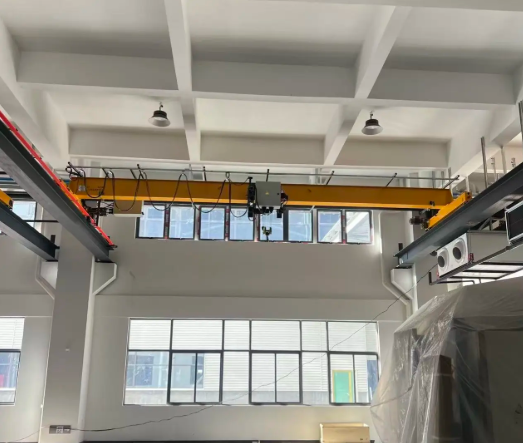
Small-tonnage Cranes (10 tons and below)
Core Objective: Emphasize lightness and flexibility to suit light-duty operations such as interior decoration and installation of small equipment, meeting the basic operational needs of small-tonnage cranes.
Structural Features: The boom is a telescopic box-section design made of high-strength aluminum alloy or lightweight alloy steel. The overall layout is compact, aligning with the light-duty requirements of small-tonnage cranes.
Load-bearing Components: The outriggers, as part of the load-bearing components, are single-stage telescopic with a small span and simple design, matching the load requirements of small-tonnage cranes.
Stress Characteristics: Stress characteristics are relatively simple, dominated by vertical loads with minimal horizontal impact forces. A planetary gear reducer in the slewing mechanism suffices to meet the operational demands of small-tonnage cranes.
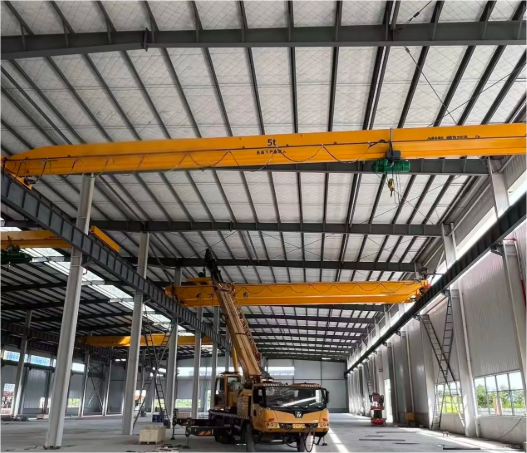
Medium-tonnage Cranes (10–100 tons)
Core Objective: Balance flexibility and load-bearing capacity to suit complex working conditions such as main building construction and medium-sized equipment lifting, aligning with the multifunctional needs of medium-tonnage cranes.
Structural Features: The boom is multi-section telescopic, either box-section or lattice-type, with added stiffeners to enhance rigidity. The chassis is specialized for truck or crawler use, with a reinforced frame to ensure operational stability for medium-tonnage cranes.
Load-bearing Components: The outriggers are multi-stage telescopic, some with lateral extension capabilities to expand the working range. Outrigger pads are optimized to distribute loads, adapting to the load-bearing needs of medium-tonnage cranes.
Stress Characteristics: Stress characteristics are complex, requiring resistance to combined loads including vertical, horizontal, and torsional moments. The slewing bearing diameter is increased, and double- or triple-row roller bearings are employed to enhance the stability of medium-tonnage cranes.
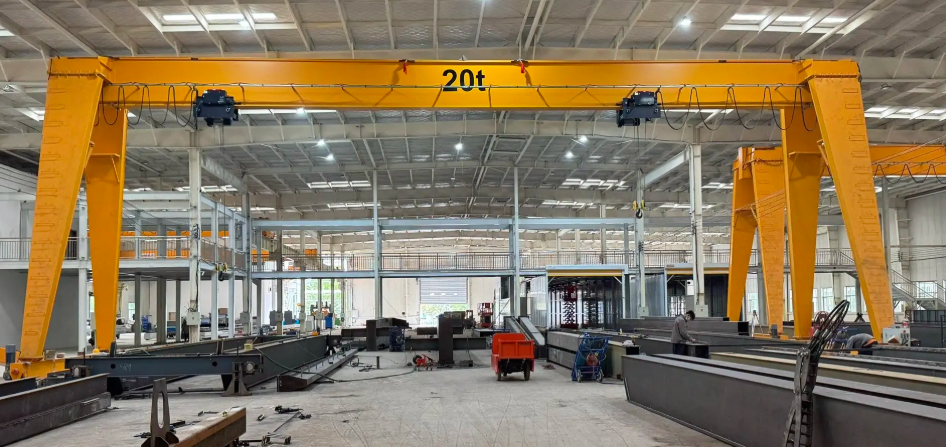
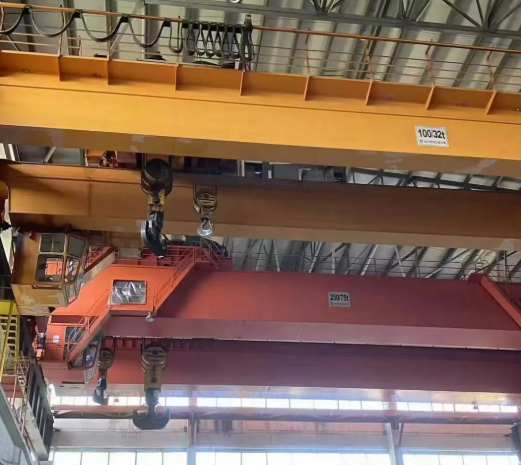
Large-tonnage Cranes (100 tons and above)
Core Objective: Prioritize ultimate load-bearing capacity and stability for ultra-heavy-duty operations such as bridge erection, wind turbine installation, and large-scale chemical equipment lifting, meeting the high-intensity operational demands of large-tonnage cranes.
Structural Features: The boom is lattice-type or hybrid, constructed from high-strength quenched and tempered steel or special steel. Modular design allows flexible component assembly, adapting to the complex operational scenarios of large-tonnage cranes.
Load-bearing Components: The outriggers combine multi-stage telescopic mechanisms with widened pads. Crawler models are equipped with track tensioning devices to increase ground contact area and reduce ground pressure, ensuring load-bearing stability for large-tonnage cranes.
Stress Characteristics: Stress characteristics are highly complex, involving various loads such as vertical loads, wind loads, and eccentric loads. Multi-dimensional stress compensation mechanisms (e.g., anti-sway and buffer devices) are incorporated. Intelligent systems monitor and adjust in real time to meet the operational requirements of large-tonnage cranes.
Conclusion
The structural differences among cranes of different tonnages essentially reflect the precise adaptation of load-bearing component strength to stress characteristics. Small-tonnage cranes prioritize flexibility, medium-tonnage cranes seek balance, and large-tonnage cranes emphasize load-bearing capacity. The synergistic optimization of load-bearing components and stress characteristics ensures the safety and efficiency of cranes across all categories. Future developments will integrate intelligent and lightweight technologies for further advancement.