Is Crane Operation Safe in Rainy Weather?
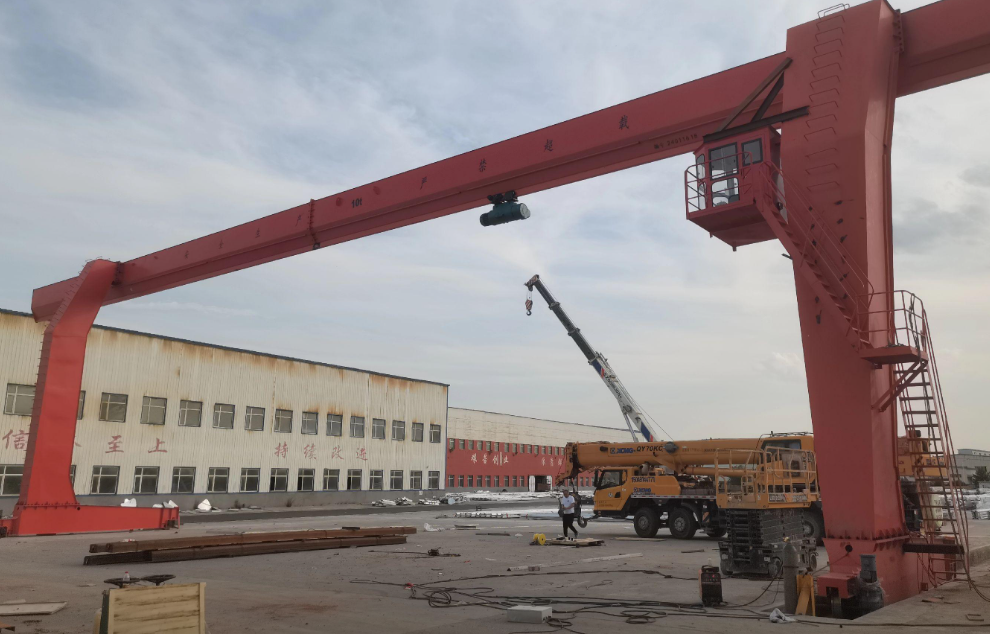
Rainy weather presents unique challenges to crane operation on construction sites. Safety is always a primary concern, and rainy conditions significantly impact the stability and reliability of a crane. Rainfall makes the ground slippery, affecting the travel mechanisms of the crane. Moisture can infiltrate electrical systems, causing short circuits, and reduced visibility hinders the operator's view, all of which compromise the safety of crane operation.
During rainy conditions, special attention must be paid to waterproofing and moisture protection for the crane. Key components like electrical rooms and control boxes must remain sealed against rain. Regular waterproof inspections are vital for cranes working outdoors. Operators engaged in crane operation during rain should increase their monitoring of equipment status and halt crane operation immediately if any abnormality is detected.
Safety Risk Analysis of Crane Operation in Rain
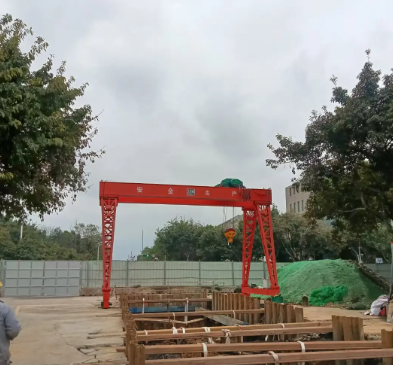
Crane operation in rainy weather faces multiple safety risks. First, the bearing capacity of the ground may decrease as persistent rain softens the foundation under the crane's runway rails, leading to uneven settlement and affecting the stability of crane operation. Second, loads become slippery; reduced friction between slings and the load increases the risk of dropping during crane operation. Additionally, lightning poses a major threat to crane operation, as the tall structure of a crane is susceptible to strikes, necessitating reliable lightning protection systems.
To address these risks, thorough safety checks must precede any crane operation in rain. Inspections should include checking for foundation settlement, ensuring wind anchors are functional, and testing brake system reliability. During crane operation in rainy weather, operating speeds and load weights should be reduced to increase the safety margin. Weather conditions must be closely monitored; in case of heavy rain or thunderstorms, crane operation must cease immediately, and the crane should be secured in a safe location.
Safety Management Measures for Crane Operation in Rain
Crane operation safety in rainy weather faces multiple critical risks. First, ground bearing capacity may decrease as persistent rain softens the foundation under the crane's runway rails, leading to uneven settlement that threatens safety. Second, loads become slippery; reduced friction between slings and the load increases dropping risks during lifting, directly affecting crane safety. Additionally, lightning poses a major threat to crane safety, as the tall structure of a crane is susceptible to strikes, requiring reliable lightning protection systems for safety.
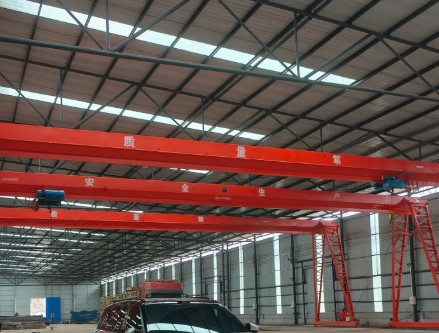
Effective safety management involves collaboration among multiple departments focused on safety. Safety managers must regularly inspect all crane safety devices—including load moment limiters, travel limit switches, and rail clamps—to ensure they remain effective in rainy conditions, maintaining crane safety. Adequate communication equipment should be provided for lifting activities, ensuring clear contact between operator and ground signalers for enhanced safety. During work in rain, ground signalers must be especially vigilant and promptly relay site conditions to the operator, prioritizing safety.
Technological Innovations Enhancing Crane Operation Safety in Rain
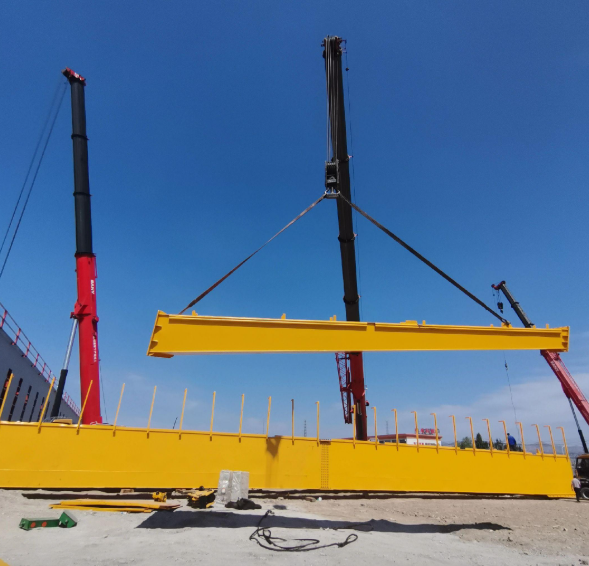
Advances in technology are improving the safety of crane operation during rain. For example, anemometers and rain sensors mounted on the crane can monitor weather in real time and trigger alarms when thresholds are exceeded, prompting a halt to crane operation. Some modern cranes are equipped with remote monitoring systems, allowing managers to oversee equipment status via mobile devices and identify potential safety risks early.
Improvements in anti-slip technology also contribute to crane operation safety in rain. Runway rails can be fitted with automatic heating elements to keep them dry during rain; hooks and spreaders may have special non-slip coatings to increase friction with loads. These innovations effectively reduce safety risks during crane operation in rainy weather. Moreover, intelligent maintenance systems can adjust service schedules based on weather forecasts, ensuring waterproof components are checked and replaced before the rainy season.
The safety management of crane operation in rainy weather is a systematic task that requires comprehensive consideration of equipment, personnel, and environmental factors. Only by fully understanding the impacts of rain on crane operation, strictly following safety procedures, and continuously adopting new technologies can we effectively control safety risks and ensure the smooth and secure progress of construction projects.